Cusco continues to be one of South America’s most important cultural destinations. In 2026, the city offers an exceptional variety of museums that allow travelers to explore Inca heritage, colonial history, and contemporary Andean identity. Visiting the museums in cusco is essential for anyone who wants to understand the city beyond its archaeological sites.
While many visitors focus on famous ruins, the museums in cusco provide the historical, social, and spiritual context that transforms a simple trip into a meaningful cultural experience. From ancient artifacts to immersive exhibitions, Cusco’s museums connect the past with the present in a way few destinations can.
Why museums in cusco are essential for travelers in 2026
The museums in cusco play a key role in helping travelers interpret what they see throughout the city and the Sacred Valley. In recent years, many institutions have modernized their exhibitions, improved lighting and signage, and added bilingual information panels in English and Spanish.
How museums enhance the travel experience
Museums help travelers connect architecture, rituals, daily life, and beliefs. Understanding these elements makes visits to sites like Sacsayhuamán or Machu Picchu far more meaningful, as travelers recognize symbols, construction techniques, and cultural values seen earlier in museums.
You might also be interested in reading: Top 10 bucket list treks in 2026
1. Inca museum: the heart of inca civilization
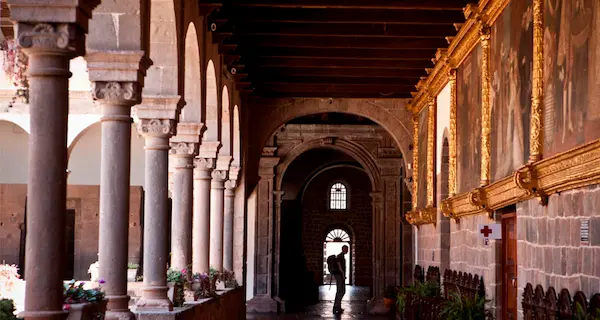
The Inca Museum is one of the most comprehensive institutions dedicated to the civilization that shaped the Andes. Its collection includes ceramics, textiles, weapons, mummies, and ceremonial objects gathered from different regions of the former Inca Empire, offering a panoramic view of its cultural and political reach.
Recognized as a cornerstone among the museums in cusco, it is an essential starting point for first-time visitors who want to build a solid understanding of Inca history before exploring archaeological sites across the city and the Sacred Valley.
What you will learn at the inca museum
The exhibition follows a clear chronological narrative that explains the rise, expansion, and organization of the Inca state. Visitors gain insight into Inca political administration, religious beliefs, social hierarchy, and daily life, with special attention to how the empire managed resources, territory, and communication across vast distances.
Interactive displays and detailed explanations help contextualize Inca engineering, agricultural techniques, and artistic expression, making complex historical concepts easy to understand even for travelers with no prior background.
Why this museum matters before visiting archaeological sites
Visiting the Inca Museum before exploring ruins like Sacsayhuamán or Pisac allows travelers to recognize architectural patterns, symbolic motifs, and construction methods encountered later in the field. This makes it one of the most educational museums in cusco for travelers seeking depth rather than surface-level sightseeing.
Location of the inca museum
The museum is located in Cusco’s historic center, just a short walk from the Plaza de Armas, inside a well-preserved colonial mansion built directly on original Inca foundations. The building itself reflects the layering of Inca and Spanish history that defines the city.
Its central location makes it easy to combine with other museums in cusco during a single walking route through the historic district.
Ticket prices in 2026
- General admission: S/ 20 (≈ USD 5.50)
- University students: S/ 10 (≈ USD 2.75)
- Children and special cultural days: Free
The museum is open most days of the week, and guided visits in Spanish and English are often available, making it an accessible and enriching experience for international visitors.2. Pre-columbian art museum: ancient art beyond cusco
2. Pre-columbian art museum: ancient art beyond cusco
The Pre-Columbian Art Museum offers a refined and carefully curated look at Peru’s ancient cultures, extending far beyond the Inca civilization. Its collection highlights artistic traditions from cultures such as Moche, Nazca, Chimú, and Chavín, allowing visitors to understand the diversity and sophistication of pre-Hispanic societies across the country.
Among the museums in cusco, this institution stands out for its focus on aesthetics, design, and narrative presentation, making it especially appealing to travelers with an interest in art, symbolism, and craftsmanship.
Why this museum stands out in 2026
In 2026, the museum continues to distinguish itself through renovated galleries, modern museography, and carefully designed lighting that allows each artifact to be appreciated as a standalone work of art. The clean layout, minimalist display cases, and thoughtful use of space create an immersive environment that elevates the visitor experience.
Bilingual explanations and interactive elements also make the exhibitions more accessible, positioning this museum as one of the most contemporary museums in cusco.
Artistic highlights and permanent collection
The museum’s permanent collection includes goldwork, ceramics, stone sculptures, and textiles that showcase the symbolic language and technical mastery of ancient Peruvian cultures. Each gallery is organized thematically, helping visitors connect artistic expression with religious beliefs, social structures, and ritual practices.
This approach allows travelers to see how Andean art evolved over centuries, providing context that complements visits to archaeological sites throughout the region.
Location of the pre-columbian art museum
The museum is located just steps from the Plaza de Armas, inside a beautifully restored colonial mansion in Cusco’s historic center. Its central location makes it easy to include as part of a walking route that connects several key museums in cusco.
The contrast between the colonial architecture and the ancient artworks inside adds an extra layer of historical depth to the visit.
Ticket prices in 2026
- General admission: S/ 30 (≈ USD 8.00)
- Students: S/ 15 (≈ USD 4.00)
- Children: Free during select hours
Due to its popularity, visiting earlier in the day is recommended, especially during peak travel seasons.
You might also be interested in reading: Inca trail vs salkantay trek: pros, cons and what to expect
3. Machu Picchu museum casa concha
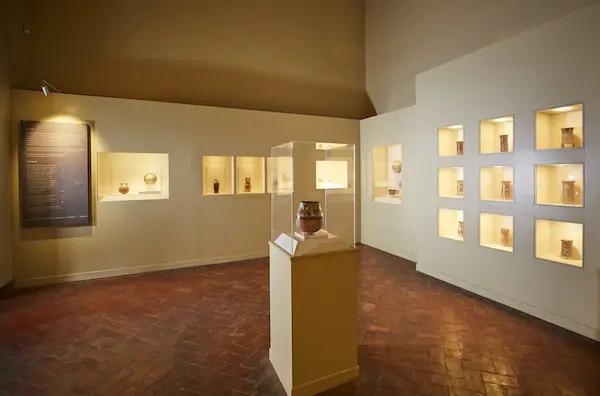
Machu Picchu Museum Casa Concha houses one of the most important collections of artifacts recovered directly from the Machu Picchu archaeological site. Rather than presenting the citadel as a distant monument, the museum helps visitors understand it as a living settlement where people worked, worshiped, and carried out daily activities.
It is one of the most visited museums in cusco, particularly among travelers preparing for Inca Trail and Machu Picchu, as it adds historical depth and human context to the experience of visiting the sanctuary.
Artifacts recovered from machu picchu
The exhibition includes everyday tools, ceramic vessels, agricultural instruments, and ritual objects that reveal how life functioned within Machu Picchu. These artifacts illustrate food preparation, religious practices, and social organization, helping visitors imagine the routines of the people who inhabited the site.
Detailed explanations accompany each display, allowing travelers to connect physical objects with archaeological interpretations and recent research findings.
Why this museum is essential before visiting machu picchu
Visiting Casa Concha before traveling to Machu Picchu allows travelers to recognize architectural features, ceremonial spaces, and functional areas once on site. This makes it one of the most educational museums in cusco for those seeking a deeper, more informed visit rather than a purely visual experience.
Location of machu picchu museum casa concha
The museum is located in Cusco’s historic center, just a few blocks from the Plaza de Armas, inside a restored colonial residence known as Casa Concha. Its central location makes it easy to include alongside other museums in cusco within the same walking itinerary.
Ticket prices in 2026
- General admission: S/ 20 (≈ USD 5.50)
- Students: S/ 10 (≈ USD 2.75)
- Children and special cultural days: Free
Casa Concha is typically open throughout the week, and guided tours in Spanish and English are often available for visitors seeking additional archaeological context.4. Qorikancha site museum
4. Qorikancha site museum
Located beneath the legendary Temple of the Sun, the Qorikancha Site Museum explains the spiritual, political, and astronomical importance of one of the most sacred spaces in the Inca Empire. Qorikancha was the religious heart of Cusco, and this museum helps visitors understand how the Incas connected architecture, cosmology, and power.
Among the museums in cusco, this site stands out for its symbolic value, as it represents the spiritual foundation upon which the city was built.
Understanding the temple of the sun
Through detailed scale models, explanatory panels, and archaeological reconstructions, the museum illustrates how the original Inca complex looked before the Spanish conquest. Visitors can learn about solar alignments, ceremonial functions, and the use of gold and sacred geometry in the temple’s design.
These visual resources make complex astronomical concepts accessible, helping travelers grasp why Qorikancha was considered the most important religious site in the empire.
Religious and astronomical significance
The museum also explains how the Incas used the temple to observe solstices and regulate agricultural cycles. This connection between astronomy and daily life reinforces the idea that religion, science, and governance were deeply intertwined in Inca society.
This perspective makes Qorikancha one of the most intellectually engaging museums in cusco.
Location of the qorikancha site museum
The museum is located inside the Qorikancha complex, near Avenida El Sol, one of Cusco’s main avenues. Its central position allows easy access from the historic center and makes it convenient to combine with nearby museums in cusco and colonial landmarks.
Ticket prices in 2026
- General admission: S/ 15 (≈ USD 4.00)
- Students and children: Reduced rates available
- Special cultural dates: Free or discounted entry
Because of its popularity, visiting earlier in the day is recommended, especially during high season.
You might also be interested in reading: Travel peru itinerary: best budget-friendly routes for travelers

5. Regional historical museum of cusco
The Regional Historical Museum of Cusco offers a comprehensive overview of the city’s evolution, tracing its history from pre-Hispanic civilizations through the colonial period and into the republican era. The museum provides valuable context for understanding how Cusco transformed politically, socially, and culturally over time.
It is considered one of the most informative museums in cusco for travelers who want to see beyond Inca history and explore the city’s layered identity.
Colonial life and republican era
The museum’s colonial-era rooms display period furniture, religious art, paintings, and historical documents that reflect daily life in Cusco after the Spanish conquest. These exhibits illustrate how colonial administration, social hierarchy, and European customs reshaped the city.
The republican section highlights Cusco’s transition into modern Peru, showcasing documents and objects related to independence, urban development, and regional identity.
Why this museum adds historical perspective
By presenting multiple historical periods under one roof, the museum helps visitors understand continuity and change in Cusco’s urban and social fabric. This makes it one of the most educational museums in cusco for travelers interested in long-term historical processes rather than isolated events.
Location of the regional historical museum
The museum is located in Cusco’s historic center, within walking distance of the Plaza de Armas. Its central position makes it easy to include in a walking itinerary that connects several museums in cusco and colonial landmarks.
Ticket prices in 2026
- General admission: S/ 10 (≈ USD 2.75)
- Students: Reduced rates may apply
- Children: Free entry on select days
Due to its compact size, the museum can be comfortably visited in under an hour, making it an ideal stop between other cultural attractions.
6. Museum of religious art
The Museum of Religious Art is located inside the Archbishop’s Palace, one of the most important colonial buildings in Cusco. This museum houses an exceptional collection of religious paintings, sculptures, and liturgical objects that reflect the spiritual and artistic transformation of the city during the colonial period.
Among the museums in cusco, it stands out for preserving some of the finest examples of colonial religious art in southern Peru.
The cusco school of painting
The museum’s collection is closely linked to the Cusco School of Painting, a distinctive artistic movement that emerged during the colonial era. These works combine European techniques with Indigenous symbolism, creating a unique visual language that blends Christian themes with Andean elements.
Visitors will notice the use of local landscapes, native flora and fauna, and Indigenous facial features within traditional religious scenes, offering insight into how Andean artists adapted European styles to their own cultural worldview.
Artistic and cultural significance
Beyond its aesthetic value, the collection reveals how art was used as a tool for religious instruction and cultural exchange. This makes the museum one of the most insightful museums in cusco for understanding colonial identity, power, and resistance expressed through art.
Location of the museum of religious art
The museum is located in the Plaza de Armas area, inside the Archbishop’s Palace, making it easily accessible on foot from most hotels and major attractions in the historic center. Its central location allows travelers to combine it with other nearby museums in cusco in a single visit.
Ticket prices in 2026
- General admission: S/ 10–15 (≈ USD 3–4)
- Students and children: Reduced rates available
- Special cultural days: Free or discounted entry
The museum is compact and well-organized, making it an excellent option for travelers with limited time who still want a meaningful cultural experience.
7. San Francisco convent and catacombs museum
The San Francisco Convent and Catacombs Museum offers a powerful combination of religious art, colonial architecture, and underground catacombs that reveal a lesser-known side of Cusco’s history. This site provides insight into Franciscan life during the colonial period and the role of religion in shaping the city’s social structure.
Among the museums in cusco, it stands out for its immersive atmosphere and its ability to connect spirituality, art, and mortality within a single visit.
What makes this museum unique
The guided visit is an essential part of the experience, offering historical and spiritual insight into the convent’s architecture, artwork, and underground burial chambers. Visitors learn about colonial religious practices, funeral traditions, and the symbolic meaning of the catacombs.
Walking through the subterranean passages adds a reflective dimension that makes this one of the most memorable museums in cusco.
Art, architecture, and symbolism
The upper levels of the convent display religious paintings, murals, and cloisters that reflect the simplicity and discipline of Franciscan life. These artistic elements contrast with the catacombs below, reinforcing the museum’s spiritual message and historical depth.
Location of the san francisco convent and catacombs museum
The museum is located in San Francisco Square, just a short walk from the Plaza de Armas. Its proximity to the historic center makes it easy to include alongside other museums in cusco and colonial landmarks.
Ticket prices in 2026
- General admission: S/ 15 (≈ USD 4.00)
- Students and children: Reduced rates may apply
- Guided tour: Usually included in the ticket price
Due to limited group sizes, visiting earlier in the day is recommended.
8. Museum of contemporary art of cusco
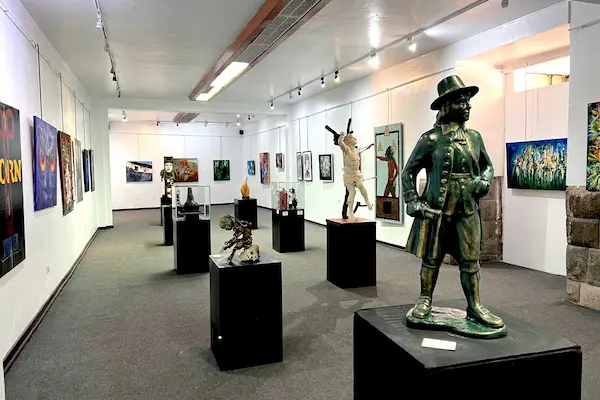
The Museum of Contemporary Art of Cusco showcases modern artistic expressions that are deeply rooted in Andean identity while engaging with global artistic trends. Its exhibitions highlight how contemporary artists reinterpret tradition, memory, and social change through painting, sculpture, photography, and mixed media.
Among the museums in cusco, this institution offers a refreshing contrast to historical collections, allowing visitors to experience how Cusco’s cultural identity continues to evolve in the present.
Contemporary culture in cusco
The museum focuses on artists from Cusco and other regions of Peru, presenting works that explore themes such as Indigenous heritage, urban transformation, migration, and cultural resilience. This makes it one of the most relevant museums in cusco for understanding current social and artistic conversations.
The dynamic nature of its exhibitions encourages repeat visits, as new perspectives are constantly introduced.
Temporary exhibitions and cultural events
Exhibitions change regularly, featuring rotating collections, guest artists, and cultural events such as talks, workshops, and performances. These activities help connect travelers with Cusco’s contemporary creative scene beyond traditional tourism narratives.
Location of the museum of contemporary art of cusco
The museum is located at Plaza Regocijo, a quiet square just a few steps from the Plaza de Armas. Its central location makes it easy to combine with nearby museums in cusco and cafés within the historic district.
Ticket prices in 2026
- General admission: S/ 10 (≈ USD 2.75)
- Students and children: Reduced or free entry available
- Special exhibitions: May have separate pricing
The museum is compact yet impactful, making it an excellent stop for travelers interested in modern perspectives on Andean culture.
You might also be interested in reading: Images of Nazca Lines: best aerial views and ancient secrets
9. Museum of popular art instituto americano de arte
The Museum of Popular Art of the Instituto Americano de Arte is dedicated to preserving and showcasing Cusco’s living traditions and folk art. Its collection focuses on artistic expressions that remain active in everyday Andean life, highlighting the continuity between past and present.
Among the museums in cusco, this institution stands out for its emphasis on cultural practices rather than monumental history, offering an intimate look at how traditions are maintained across generations.
Traditional craftsmanship and festivals
The museum features textiles, ceramics, carvings, masks, and religious art associated with local festivals and community celebrations. These objects reflect the creativity and symbolic language of Andean artisans, whose work plays a central role in rituals and seasonal events.
Visitors gain insight into traditional craftsmanship techniques, regional styles, and the cultural meaning behind colors, patterns, and materials.
Everyday Andean culture
Beyond ceremonial objects, the museum also displays items linked to daily life in the Andes, such as household tools and decorative pieces. This perspective helps travelers understand how art, spirituality, and functionality coexist within Andean culture, making it one of the most culturally grounded museums in cusco.
Location of the museum of popular art
The museum is located in Cusco’s historic center, within walking distance of the Plaza de Armas and other important museums in cusco. Its central location makes it easy to include in a cultural walking route.
Ticket prices in 2026
- General admission: S/ 10 (≈ USD 2.75)
- Students and children: Reduced rates may apply
- Cultural days: Free entry on select dates
The museum is compact and easy to visit, making it ideal for travelers who want an authentic cultural experience without large crowds.
10. Chocolate museum cusco
The Chocolate Museum Cusco offers an interactive and sensory-focused experience centered on cacao culture and its importance in Peruvian history. This museum combines education, hands-on activities, and flavor, making it a popular stop for travelers of all ages.
Among the museums in cusco, it stands out for its experiential approach, offering a lighter yet culturally relevant alternative to traditional historical museums.
From cacao to chocolate
The museum explains the journey of cacao from bean to chocolate, covering cultivation, harvesting, fermentation, and production. Interactive demonstrations allow visitors to participate in the chocolate-making process, helping them understand the craftsmanship behind high-quality Peruvian chocolate.
Tastings are included in many visits, giving travelers the chance to sample different cacao varieties and chocolate styles from across the country.
Educational and family-friendly experience
The Chocolate Museum is especially appealing to families and travelers looking for a fun, informal learning experience. Workshops and guided demonstrations make it one of the most engaging museums in cusco for visitors who want to combine culture with entertainment.
Location of the chocolate museum cusco
The museum is located in the Plaza Regocijo area, just a short walk from the Plaza de Armas. Its central location allows easy access from hotels, restaurants, and other museums in cusco within the historic center.
Ticket prices in 2026
- General admission: S/ 15–20 (≈ USD 4.00–5.50)
- Children: Reduced rates available
- Workshops: Additional cost depending on activity
Due to its popularity, booking workshops in advance is recommended during high season.
11. Coca museum
The Coca Museum explores the ancestral, cultural, and symbolic importance of coca leaves in Andean society. Rather than focusing on modern misconceptions, the museum presents coca as a sacred plant that has played a central role in Indigenous life for centuries.
Among the museums in cusco, this institution stands out for its educational approach and its focus on living traditions that continue to shape Andean culture today.
Cultural meaning of coca
The museum explains how coca has been traditionally used in rituals, medicine, agriculture, and daily life. Exhibits highlight its role in spiritual offerings, social exchanges, and as a natural remedy for altitude-related discomfort.
Clear explanations and visual displays help visitors understand the distinction between traditional coca use and its modern misinterpretations, offering a balanced and respectful perspective.
Educational and informative approach
Informational panels, historical documents, and botanical explanations make the visit accessible and informative for international travelers. This thoughtful presentation makes the Coca Museum one of the most enlightening museums in cusco for those interested in Indigenous knowledge and cultural continuity.
Location of the coca museum
The museum is located in the San Blas neighborhood, a bohemian area known for its artisan workshops and narrow streets. Its location makes it easy to combine the visit with nearby galleries, cafés, and other museums in cusco.
Ticket prices in 2026
- General admission: S/ 10 (≈ USD 2.75)
- Students and children: Reduced rates may apply
- Group visits: Discounts available in some cases
The museum is small but rich in content, making it an ideal stop during a relaxed walk through San Blas.
You might also be interested in reading: January Holidays in Peru 2026
12. Natural history museum of cusco
The Natural History Museum of Cusco focuses on the extraordinary biodiversity of the Andean and Amazonian regions surrounding the city. Its exhibits explore how geography, climate, and ecosystems interact to create one of the most biologically diverse areas in South America.
Among the museums in cusco, this museum offers a scientific perspective that complements historical and cultural institutions, helping visitors understand the natural environment that shaped Andean civilizations.
Andean ecosystems explained
The museum explains the different Andean ecosystems, from high-altitude puna grasslands to cloud forests and Amazonian lowlands. Exhibits highlight how flora and fauna have adapted to extreme altitudes and changing climates over thousands of years.
Educational panels make complex ecological concepts easy to understand, making this one of the most informative museums in cusco for nature and science enthusiasts.
Flora, fauna, and geology exhibits
Displays include preserved plant species, animal specimens, fossils, and geological samples that illustrate the region’s natural history. These exhibits help visitors connect environmental factors with agricultural practices, settlement patterns, and cultural development in the Andes.
Location of the natural history museum of cusco
The museum is located near Plaza Regocijo, within walking distance of the Plaza de Armas and other central museums in cusco. Its convenient location allows travelers to combine cultural and scientific visits in a single itinerary.
Ticket prices in 2026
- General admission: S/ 10 (≈ USD 2.75)
- Students and children: Reduced or free entry available
- Educational groups: Special rates may apply
The museum is well-suited for families and travelers interested in understanding the natural foundations of Andean life.
13. Quechua museum
The Quechua Museum is dedicated to preserving and promoting Quechua language, identity, and living culture. Rather than focusing solely on the past, this museum highlights Quechua as a vibrant and evolving cultural expression that continues to shape daily life in the Andes.
Among the museums in cusco, it stands out for addressing intangible heritage, offering visitors a deeper understanding of language as a key element of cultural continuity.
Quechua as a living language
The museum emphasizes that Quechua is not a relic of history but a living language spoken by millions across the Andes. Interactive exhibits introduce basic vocabulary, phonetics, and expressions, allowing visitors to engage directly with the language.
Audio recordings, videos, and storytelling spaces help convey how Quechua is used in music, rituals, oral tradition, and everyday communication.
Interactive and educational content
Workshops, guided explanations, and multimedia displays make the museum accessible to travelers of all ages. This hands-on approach makes it one of the most engaging museums in cusco for those interested in Indigenous knowledge, identity, and cultural resilience.
Location of the quechua museum
The museum is located in the San Blas neighborhood, an area known for its artistic atmosphere and Indigenous heritage. Its location makes it easy to combine with other museums in cusco, artisan workshops, and cultural spaces nearby.
Ticket prices in 2026
- General admission: S/ 10 (≈ USD 2.75)
- Students and children: Reduced rates may apply
- Workshops: Additional cost depending on activity
The Quechua Museum offers a meaningful cultural experience that goes beyond traditional exhibits, encouraging respectful engagement with Andean identity.
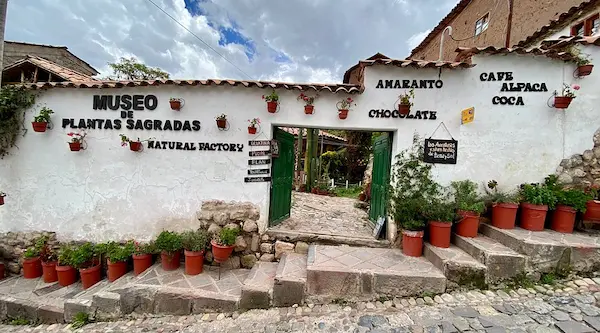
14. Museum of sacred plants magic and medicine
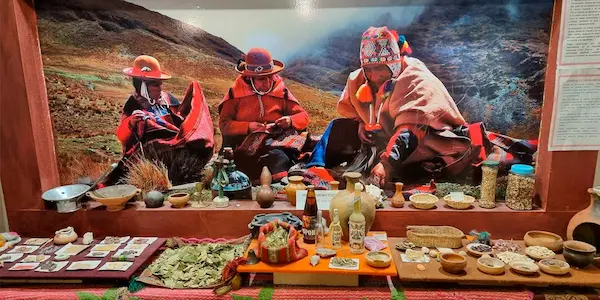
The Museum of Sacred Plants, Magic, and Medicine explores ancestral Andean knowledge related to healing, spirituality, and the natural world. This museum presents traditional medicinal practices as part of a holistic worldview where plants, rituals, and spiritual balance are deeply interconnected.
Among the museums in cusco, it stands out for addressing Indigenous knowledge systems that are still practiced today, offering visitors a deeper understanding of Andean cosmology.
Traditional medicine and spirituality
The museum explains how traditional healers, known as paqos or curanderos, use plants in spiritual ceremonies and healing rituals. Exhibits explore the symbolic meaning of sacred plants and their role in restoring balance between body, mind, and nature.
Clear explanations help visitors understand these practices within their cultural context, emphasizing respect and tradition rather than mysticism.
Plants, rituals, and healing practices
Displays include medicinal plants, ritual objects, and educational panels describing their uses and meanings. Visitors learn how herbal knowledge has been passed down through generations, making this one of the most culturally immersive museums in cusco.
The museum encourages thoughtful reflection on alternative healing systems and their connection to Andean identity.
Location of the museum of sacred plants magic and medicine
The museum is located in the San Blas neighborhood, a culturally rich area known for its artisan workshops and traditional atmosphere. Its location makes it easy to include alongside other museums in cusco during a walking visit.
Ticket prices in 2026
- General admission: S/ 15 (≈ USD 4.00)
- Students and children: Reduced rates may apply
- Guided explanations: Included in many visits
This museum is especially recommended for travelers interested in Indigenous knowledge, traditional medicine, and spiritual heritage.
You might also be interested in reading: 15 Things to do in Huaraz
15. Casa del inca garcilaso de la vega museum
The Casa del Inca Garcilaso de la Vega Museum is dedicated to Peru’s most important mestizo chronicler and one of the earliest voices to document the encounter between Inca and Spanish cultures. The museum is located in the former residence of Garcilaso de la Vega, making the visit both historical and symbolic.
Among the museums in cusco, this institution offers a unique intellectual perspective, focusing on identity, memory, and cultural dialogue rather than objects alone.
A bridge between two worlds
The museum explores the life and work of Inca Garcilaso de la Vega, whose writings blended Indigenous knowledge with European historical tradition. Exhibits explain how his chronicles helped preserve Inca history while interpreting it through a colonial lens.
This dual perspective makes the museum a key space for understanding cultural fusion, making it one of the most reflective museums in cusco.
Inca and spanish heritage combined
Through manuscripts, interpretive panels, and historical artifacts, visitors learn how Garcilaso navigated both Inca and Spanish identities. The museum highlights themes of cultural negotiation, historical memory, and intellectual resistance during the early colonial period.
Location of the casa del inca garcilaso de la vega museum
The museum is located in Cusco’s historic center, within walking distance of the Plaza de Armas and several other museums in cusco. Its central location makes it an easy addition to any cultural itinerary.
Ticket prices in 2026
- General admission: S/ 10 (≈ USD 2.75)
- Students and children: Reduced rates may apply
- Cultural days: Free entry on select dates
This museum provides a thoughtful conclusion to a journey through Cusco’s cultural landscape, connecting history, identity, and storytelling.
Best areas to visit museums in cusco
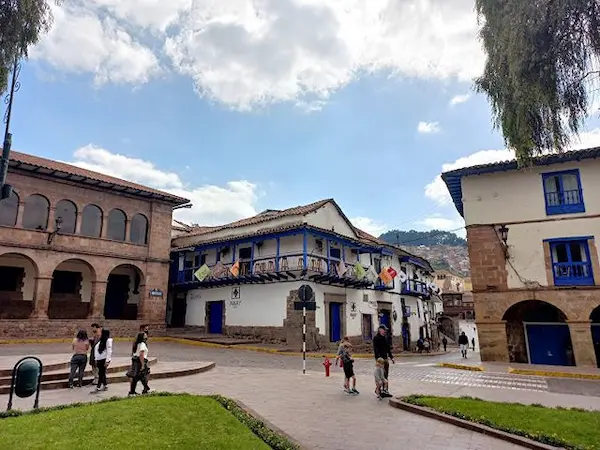
One of the advantages of exploring the museums in cusco is their strategic location. Most of the city’s cultural institutions are concentrated within walkable areas, allowing travelers to experience history, art, and culture without long transportation times.
The main museum zones in Cusco include:
Plaza de Armas
The Plaza de Armas is the cultural heart of the city and home to several important museums in cusco. From colonial art and religious collections to historical residences, this area allows visitors to explore multiple institutions while surrounded by iconic architecture, cafés, and restaurants.
Because of its central location, this area is ideal for travelers with limited time who want to maximize cultural exposure in a short period.
San Blas
San Blas is known for its bohemian atmosphere, artisan workshops, and narrow streets. It is also one of the richest neighborhoods in terms of culturally focused museums in cusco, particularly those dedicated to Indigenous identity, language, and traditional knowledge.
Museums in this area tend to be smaller, more intimate, and highly educational, making San Blas perfect for travelers seeking meaningful cultural encounters beyond mainstream attractions.
Avenida El Sol
Avenida El Sol connects the historic center with key archaeological and religious sites. Several important museums in cusco are located along or near this avenue, including institutions focused on Inca history, astronomy, and colonial transformation.
This area works well for travelers who want to combine museums with visits to monumental sites such as Qorikancha.
Walking routes for museum lovers
One of the best ways to experience the museums in cusco is on foot. Thanks to the city’s compact layout, many museums can be visited in a single day without rushing.
A popular walking route includes starting near Plaza de Armas, moving toward San Blas in the morning, and finishing along Avenida El Sol in the afternoon. This route allows travelers to move chronologically through history, from Inca foundations to colonial and contemporary culture.
Walking between museums also provides opportunities to explore local streets, markets, and viewpoints, making the journey as enriching as the destinations themselves.
For museum lovers, Cusco offers a rare combination of depth, accessibility, and authenticity all within walking distance.
You might also be interested in reading: Pisac ruins travel guide: discover one of Peru’s inca treasures
Tips for visiting museums in cusco in 2026
Visiting museums in Cusco is much more rewarding when done with a bit of planning. In 2026, many museums have updated schedules, improved interpretation, and added bilingual content, making visits smoother and more informative for international travelers.
One of the best strategies is to group museum visits by area. The historic center alone concentrates several of the most important museums in cusco, allowing travelers to explore multiple institutions in a single morning or afternoon without long transfers.
Many travelers choose to combine museum visits with cultural experiences organized by a Tour operator, or include them as part of broader cusco tours.This approach provides historical context before visiting archaeological sites and helps connect objects seen in museums with real-world landscapes and ruins.
It is also recommended to visit major historical museums earlier in the trip. Museums such as the Inca Museum, Qorikancha Site Museum, or Casa Concha significantly enhance the understanding of sites like Sacsayhuamán, the Sacred Valley, and Machu Picchu.
Additional practical tips include:
- Visit museums early in the day to avoid crowds, especially during high season.
- Take advantage of reduced rates for students and cultural free-entry days.
- Read exhibit descriptions carefully; many museums now offer excellent bilingual explanations.
- Balance historical museums with cultural or interactive ones to avoid fatigue.
By pacing visits and choosing museums strategically, travelers can turn cultural exploration into one of the most memorable parts of their journey.
Final thoughts on museums in cusco
The museums in cusco are not optional stops — they are essential. They transform ruins into stories, stones into living history, and names into real people with beliefs, skills, and daily routines.
In 2026, Cusco’s museums offer one of the richest cultural experiences in the Americas. From Inca engineering and colonial art to living Indigenous traditions and contemporary creativity, the city’s museums reflect a culture that is both ancient and constantly evolving.
What makes the museums in cusco truly special is their ability to connect past and present. They provide the context that allows travelers to understand not just what they are seeing, but why it matters. Whether exploring ancient artifacts, listening to Quechua language recordings, or learning about Andean medicine, each museum adds a new layer of meaning to the journey.
For travelers seeking more than photographs and landmarks, Cusco’s museums offer depth, perspective, and connection. In many ways, they are the key to truly understanding the soul of the city.