Pisac Ruins historical, nature, engineering, and scenery combined! Where can you experience such a unique blend of history and natural beauty that was made by incredible engineering? You guessed it…the Pisac Ruins! The Pisac Ruins have been one of the most amazing archaeological sites left by the Incas, because they are located high above the town of Pisac and provide visitors with stunning views, allowing them to appreciate the incredible scenery and to get to know how the Incas utilized each stone, terrace, and the multiple view points to create such a spectacular site!
In order to fully appreciate the Pisac ruins, this guid should assist you in finding the “magic” of this amazing site. Whether you are a first-time traveler to Peru or returning to further explore the Sacred Valley, or perhaps you are planning to travel in 2026, this should definitely be at the top of your list! In this guide, you will find all the necessary information: history of the site; how to plan your visit; what to expect; and how to maximize your time while exploring one of the most spectacular sites of the Inca Empire!
Maybe you’ve been interested in: 15 Things to do in Huaraz
What makes the Pisac ruins unique
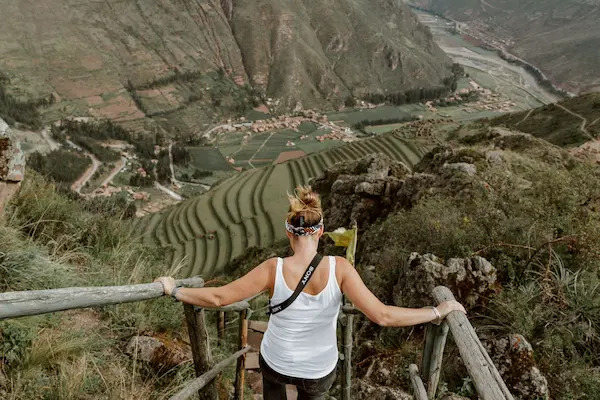
The Pisac ruins are often overshadowed by Machu Picchu, but those who visit quickly realize that this site has its own identity. It’s quieter, more spread out, and surprisingly well-preserved. The terraces curve around the mountainside like waves, the stonework shows the precision for which the Incas were known, and the views over the valley are almost surreal.
A masterpiece of Andean engineering
One thing that immediately stands out when you enter the Pisac ruins is how the Incas adapted the site to the natural shape of the mountain. Instead of forcing the landscape to fit their plans, they worked with it. The result is an architectural design that feels organic and intentional at the same time.
The terraces aren’t just pretty they’re highly functional. They stabilized the mountainside, prevented erosion and created microclimates ideal for farming. When you walk through them, you realize how advanced Andean engineering truly was.
Terraces that transformed the Sacred Valley
The terraces at the Pisac ruins are among the most impressive in the region. They cascade down the slopes in perfect harmony, and their size shows that agriculture played a central role in this area.
These terraces were so advanced that each level had slightly different temperatures and growing conditions. That means the Incas could cultivate a variety of crops in a relatively small geographic space.
The spiritual meaning behind Pisac
Beyond engineering, the Pisac ruins have a strong spiritual component. Some local guides say the shape of the mountains resembles a giant condor the sacred bird of the Andean world. The Intihuatana, the ceremonial platforms and the presence of carved stones suggest that Pisac was not only practical but deeply symbolic.
A brief history of the Pisac ruins
Understanding the origin of the Pisac ruins makes your visit much more meaningful. Although not everything is known about its earliest years, archaeological research and oral traditions reveal a fascinating past.
The origin of Pisac in the Inca period
Most experts agree that the Pisac ruins were built during the reign of Pachacútec, the same emperor responsible for Machu Picchu. The architecture and craftsmanship point directly to this era of expansion and innovation within the empire.
The role of Pisac in agriculture and defense
Pisac served multiple purposes. It was an agricultural center, a possible residence for Inca elites, and a strategic lookout point. Its position above the Sacred Valley made it the perfect location to monitor movement, protect routes and store crops safely.
Legends that still surround the site
Like many Inca locations, the Pisac ruins come with stories passed down through generations. One legend tells of a princess who had to build the settlement overnight to prove her worthiness. These stories don’t appear in official history books, but they remain part of the identity of Pisac and add charm to the visit.
What to see inside the Pisac ruins
The complex is larger than most people expect. If you want to explore the Pisac ruins thoroughly, you’ll discover zones dedicated to agriculture, housing, ceremony and defense.
The agricultural terraces (Andenes)
These are the first thing travelers see, and they instantly capture your attention. The shape, size and extension of the terraces demonstrate advanced planning and mastery of slope control.
The ancient neighborhoods and ceremonial zones
Within the Pisac ruins you’ll find different residential sectors. Some areas were clearly designed for the elite, while others appear to have been functional housing. The ceremonial zones, with their carved altars and niches, feel incredibly peaceful and allow you to imagine what life here might have been like.
The Intihuatana and Inca astronomical points
The Intihuatana stone is often associated with rituals, astronomical observations and agricultural calendars. While not as famous as the one in Machu Picchu, the Intihuatana in Pisac is impressive and full of symbolic meaning.
The watchtowers and strategic viewpoints
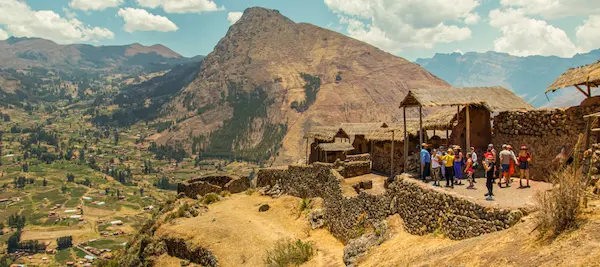
Thanks to its elevated location, Pisac was also a strategic fortification. You’ll find several watchtowers that allowed the Incas to monitor the valley. From these viewpoints, you’ll enjoy some of the most stunning landscapes in the whole Sacred Valley.
Maybe you’ve been interested in: January Holidays in Peru 2026
How to get to the Pisac ruins
Reaching the Pisac ruins is relatively easy from Cusco, which makes the site perfect for travelers short on time.
Getting from Cusco to Pisac
The drive from Cusco to Pisac takes about 45 minutes. The road winds through beautiful landscapes, so the trip feels short.
Transport options and travel times
- Taxi or private transport: fastest and most comfortable.
- Bus or colectivo: cheap and efficient.
- Tour with guide: recommended if you want historical explanations.
Best time of day to explore the site
Morning visits are ideal because the sun illuminates the terraces beautifully. Late afternoon also offers dramatic lighting, especially for photography lovers.
How long to spend at the Pisac ruins
Most travelers spend between two and four hours exploring the Pisac ruins, depending on their pace and interest in the site.
Average visit duration
A complete visit, including terraces, residential sectors and viewpoints, takes around three hours.
Suggested routes depending on your fitness level
- Easy route: explore the main terraces and central sector.
- Moderate route: walk along the path toward the ceremonial zones.
- Full route: hike all the way from the entrance down to the town of Pisac.
Tips to prepare for your visit
Because the Pisac ruins sit at a high elevation, preparation makes a big difference.
Altitude and acclimatization
If you’ve just arrived in Cusco, give yourself at least 24 hours to adjust before visiting.
What to pack for the Pisac ruins
- Water
- Sunscreen
- Comfortable walking shoes
- Hat
- Light jacket
Physical difficulty and recommended clothing
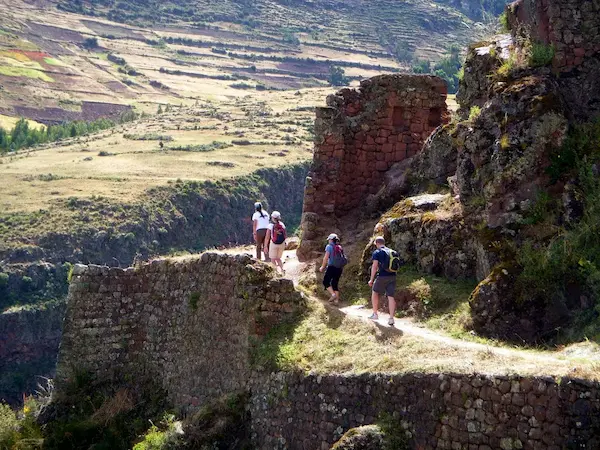
Expect uneven paths and occasional steep sections. Breathable layers are ideal because the weather can change rapidly.
When is the best time to visit the Pisac ruins
The Pisac ruins are beautiful year-round, but weather conditions vary a lot.
Visiting during the dry season
From May to September, skies are clear and temperatures are pleasant. This is the best season for hiking and photography.
Visiting during the rainy season
From November to March, the landscape turns greener, but rainfall is more frequent. Early morning visits are best during this period.
Holidays, festivals and crowds
Sundays are market days in Pisac, so expect more movement. This can be fun if you want to combine the ruins with cultural experiences.
Pisac market: The perfect stop after the ruins
A trip to the Pisac ruins isn’t complete without visiting the town’s traditional market.
What to buy in the Pisac market
You’ll find textiles, pottery, jewelry, alpaca garments and handmade crafts.
Local crafts and Andean products
Many artisans still use ancestral techniques, making the market a great place to support authentic craftsmanship.
How to support local communities
Buy directly from artisans and ask about the origin of each piece. This keeps traditions alive.
Maybe you’ve been interested in: Images of Nazca Lines: best aerial views and ancient secrets
Safety, sustainability and responsible travel
How to reduce impact at archaeological sites
Stay on marked paths, avoid touching delicate structures and carry out your trash.
Supporting local families in Pisac
Opt for family-run restaurants, cooperatives and local guides.
Essential safety tips for travelers
The Pisac ruins are generally safe, but good footwear and hydration are essential.
Final recommendations for visiting the Pisac ruins
The incredible Pisac ruins are an experience that cannot be missed. They provide an opportunity to learn about the engineering prowess, spirituality, and aesthetically pleasing breathtaking scenery of the Inca Empire. As you walk around the ruins of the terraces of Pisac, you will be amazed at how so much of our world was created by the creative minds and dedication of the Inca culture. When walking through these spectacular terraces, you will have many opportunities to breathe in the beauty of the Incan culture, which echoes throughout the Sacred Valley.
If you are planning your travels for 2026 or are already making travel plans for this year, be sure to include these ancient ruins as part of your itinerary when in Peru. At these ancient ruins, you can see how the Inca people took advantage of what was available in the Sacred Valley and what it means to be in harmony with their surroundings, which is still prevalent in today’s development of the Sacred Valley.