When looking at the various ways to reach Machu Picchu, most people will have to choose between inca trail and salkantay trek. The incatrail is a more established route, while the salkantay trek is newer and less travelled. Both routes will have outstanding views, require effort and perseverance, and provide you with a real connection to the Andes mountains; however, they both do so in different ways. This comparison of the inca trail and the salkantay trek will outline the benefits and drawbacks of each trek, and will provide you with some realistic expectations as to what each path has to offer, based upon your travelling style.
Beyond Instagram photos and the popularity of each route, the main question to answer when considering inca trail vs salkantay trek is what kind of both experience do you want. While many people want to recreate a historical trek on ancient stone paths that were built centuries ago, other people are looking for an adventure that consists of trekking over high snow capped peaks in the Andes. Understanding the difference in both experiences is the key to making the best decision for you. This comparison has been created to allow you to evaluate what your daily life while on the trip will actually be like before you commit.
Maybe you’ve been interested in: Travel peru itinerary: best budget-friendly routes for travelers
Why comparing inca trail vs salkantay trek matters
The debate around inca trail vs salkantay trek is not just about which route is more famous. It’s about accessibility, difficulty, cultural immersion, scenery, and even how far in advance you need to plan. Many travelers make the mistake of choosing based solely on popularity, without understanding what the journey actually involves.
By comparing these two iconic treks side by side, you gain clarity on:
- What type of landscapes you will experience
- How physically demanding each trek really is
- Whether cultural sites or raw nature matter more to you
- How flexible your travel dates need to be
Understanding these differences early can save you from disappointment and ensure your trek aligns with your expectations.
Overview of the inca trail
What makes the inca trail unique
The Inca Trail is the only trek that leads directly into Machu Picchu through the Sun Gate, making it the most historically significant route. When travelers think about the classic journey to Machu Picchu, they are often picturing this path.
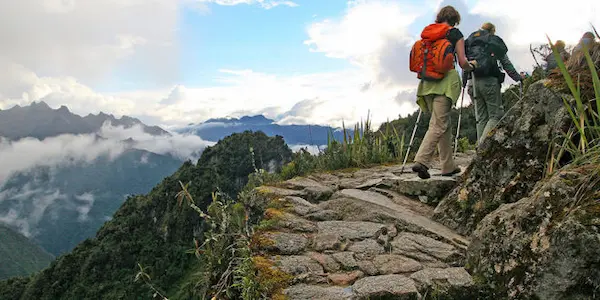
What truly sets the Inca Trail apart in the inca trail vs salkantay trek comparison is its archaeological richness. Along the way, hikers pass ancient Inca ruins, stone staircases, and ceremonial sites that were once part of the Inca road network.
This trek feels like walking through history, not just hiking through nature.
Classic routes and permits
The traditional Inca Trail is a four-day trek, although shorter versions also exist. Due to preservation efforts, access is strictly regulated, and permits are limited. This means travelers must book months in advance, especially during high season.
Permits include:
- Access to the trail
- A licensed guide
- Porters and cooks (through authorized operators)
This controlled system plays a key role in the inca trail vs salkantay trek decision, especially for travelers who value structure and regulation.
Typical inca trail experience
Expect well-maintained paths, organized campsites, and a strong sense of community among hikers. Nights are spent at designated camps, meals are prepared by trekking teams, and days are structured around reaching specific archaeological highlights.
The experience is immersive, cultural, and deeply symbolic.
Overview of the salkantay trek
What defines the salkantay trek
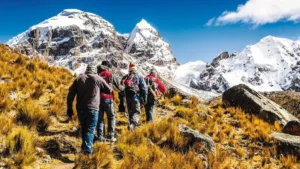
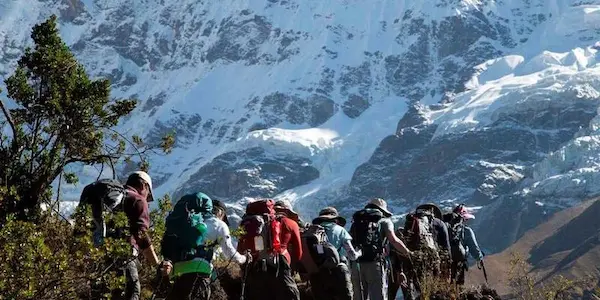
The Salkantay Trek is often described as the wild alternative to the Inca Trail. It does not follow an ancient Inca road but instead takes hikers through remote Andean landscapes dominated by snow-capped peaks, glaciers, and high mountain passes.
In the inca trail vs salkantay trek comparison, Salkantay stands out for its dramatic natural scenery and sense of solitude.
Routes, landscapes and altitude
The Salkantay route typically reaches higher altitudes than the Inca Trail, with the Salkantay Pass being one of the highest points on any trek to Machu Picchu. This makes acclimatization especially important.
Landscapes include:
- Glacial lakes
- Alpine valleys
- Remote mountain villages
Nature is the main protagonist here.
Typical salkantay trekking experience
The Salkantay Trek feels more rugged and less regulated. Campsites can be more basic, and daily distances are often longer. However, many travelers appreciate the freedom and rawness of the journey.
When evaluating inca trail vs salkantay trek, this sense of adventure is a major deciding factor.
Maybe you’ve been interested in: 15 Things to do in Huaraz
Inca trail vs salkantay trek: main differences at a glance
Distance and duration
The Inca Trail is generally shorter in distance but packed with stairs and ascents. The Salkantay Trek covers more ground, often over longer daily hikes.
Both can be adapted into shorter versions, but the traditional formats highlight the contrast in pacing.
Altitude and difficulty
Salkantay reaches higher elevations, making it more physically demanding for some hikers. The Inca Trail, while challenging, is often considered more manageable for first-time trekkers.
This difference is central in the inca trail vs salkantay trek discussion.
Crowds and availability
The Inca Trail is heavily regulated and can feel crowded during peak season. Salkantay offers more availability and fewer people on the trail, especially in remote sections.
Pros and cons of the inca trail
Advantages of hiking the inca trail
- Direct entrance to Machu Picchu through the Sun Gate
- Rich archaeological sites along the route
- Well-organized logistics and infrastructure
- Strong cultural narrative throughout the trek
For many travelers, the Inca Trail represents a once-in-a-lifetime journey that connects history and hiking seamlessly.
Limitations and considerations
- Limited permits and high demand
- Higher cost compared to alternatives
- Less flexibility with dates
In the inca trail vs salkantay trek choice, these limitations can be decisive for spontaneous travelers.
Pros and cons of the salkantay trek
Advantages of hiking the salkantay trek
- Spectacular mountain scenery
- Fewer crowds and more solitude
- Greater flexibility in booking
- Strong sense of adventure
Salkantay appeals to travelers who prioritize nature over ruins.
Limitations and considerations
- Higher altitude and physical demands
- No direct entrance to Machu Picchu
- Fewer archaeological sites
Still, many hikers consider it the most visually stunning option in the inca trail vs salkantay trek debate.
Inca trail vs salkantay trek: scenery and cultural immersion
When it comes to scenery, Salkantay often wins in scale and drama. Towering peaks, turquoise lakes, and wide-open valleys dominate the landscape.
Culturally, however, the Inca Trail offers a richer narrative. Walking past ancient ruins and learning about Inca engineering creates a deeper historical connection.
This contrast defines the essence of inca trail vs salkantay trek.
Inca trail vs salkantay trek: cost and logistics
The Inca Trail is more expensive due to permits, porters, and regulations. Salkantay is generally more affordable and flexible.
Logistically, the Inca Trail feels more curated, while Salkantay allows for a more independent-style experience, even when booked through an agency.
Maybe you’ve been interested in: Pisac ruins travel guide: discover one of Peru’s inca treasures
Inca trail vs salkantay trek: best option for different traveler profiles
First-time visitors to Peru
For first-time visitors, the Inca Trail often feels more iconic and emotionally impactful.
Adventure seekers and experienced hikers
Experienced trekkers tend to prefer Salkantay for its challenge and raw landscapes.
Travelers with limited time
Short versions like Inca Trail 2 Days and 1 Night can be ideal for travelers with tight schedules.
Shorter trek alternatives to consider
Some travelers prefer condensed experiences such as Humantay Lake and Salkantay Pass 2 Days and 1 Night, which offer highlights without committing to a full multi-day trek.
These options fit perfectly into the broader inca trail vs salkantay trek decision-making process.
How to choose the right tour operator
Choosing a reliable tour operator is just as important as choosing the trek itself. Look for experience, transparent itineraries, and responsible tourism practices.
A good operator enhances safety, comfort, and overall satisfaction.
Final verdict: inca trail vs salkantay trek, which one is right for you?
When deciding on the Inca Trail or Salkantay trek, there isn’t really a “better” trek to do. Each trek serves different purposes and can mean different things to different trekkers, depending on what those trekkers value most: history, symbolism, and culture (Inca Trail), or flexibility, dramatic views, and excitement (Salkantay). Although both routes come to Machu Picchu eventually, the experience along each route sets an individual apart from other travelers who have completed their journey to Machu Picchu.
Choosing between the Inca Trail and Salkantay treks will ultimately lead to a much more personalized trek and will depend on what the hiker expects from his/her trek to Machu Picchu, along with their physical fitness level and their individual travel preferences. Although both routes present challenges, curiosity is encouraged along both routes, and each has something unique and wonderful to offer trekkers in the Andes mountain range. Understanding what kind of stories each trek has to tell will help you to not only plan your trek but also craft your lifelong story about your journey to Machu Picchu!