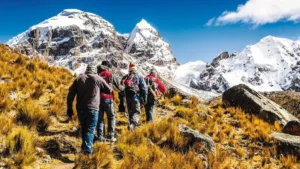
Traveling to high-altitude destinations is one of the most rewarding experiences any traveler can have. From the breathtaking Andes Mountains to ancient cities built above the clouds, Peru offers landscapes and cultural encounters that simply cannot be found elsewhere. However, visiting elevated regions also introduces a challenge many travelers underestimate: altitude sickness.
Understanding the right Treatment for altitude sickness before arriving in destinations such as Cusco, Lake Titicaca, or the Sacred Valley can make the difference between an unforgettable adventure and an uncomfortable trip. Every year, thousands of visitors experience symptoms related to elevation changes, often because they are not properly prepared.
In this guide, we’ll explore practical, medically supported, and traveler-tested strategies for managing altitude symptoms safely. Whether you are planning cultural visits, food experiences, or challenging mountain hikes, knowing the best Treatment for altitude sickness ensures you enjoy Peru with confidence and peace of mind.
What Is Altitude Sickness?
Altitude sickness occurs when the body struggles to adapt to reduced oxygen levels found at elevations typically above 2,500 meters (8,200 feet). As altitude increases, oxygen pressure decreases, forcing the body to work harder to supply oxygen to muscles and vital organs.
Common destinations in Peru where travelers may require Treatment for altitude sickness include:
- Cusco (3,399 m)
- Sacred Valley
- Machu Picchu region
- Rainbow Mountain
- Lake Titicaca
Symptoms can appear within hours after arrival, especially when travelers ascend too quickly without proper acclimatization.
Common Symptoms That Require Treatment for Altitude Sickness
Recognizing early warning signs is essential when traveling to high-altitude destinations. Symptoms can vary from person to person, and even experienced travelers may notice unexpected physical changes during the first days at elevation. Identifying these signals early allows travelers to respond appropriately and apply the right Treatment for altitude sickness before discomfort increases.
Some of the most common symptoms include:
- Headache or pressure sensation
- Fatigue or unusual tiredness
- Shortness of breath, especially during mild activity
- Dizziness or lightheadedness
- Nausea or stomach discomfort
- Loss of appetite
- Difficulty sleeping or frequent waking during the night
In most cases, these symptoms are mild and temporary as the body adapts to altitude. However, ignoring them or continuing intense physical activity too soon may worsen the condition. Paying attention to how your body responds and taking preventive measures early remains one of the most effective ways to support recovery and ensure a safer travel experience at high elevations.
You might also be interested in reading: 20 best beaches of Peru in 2026
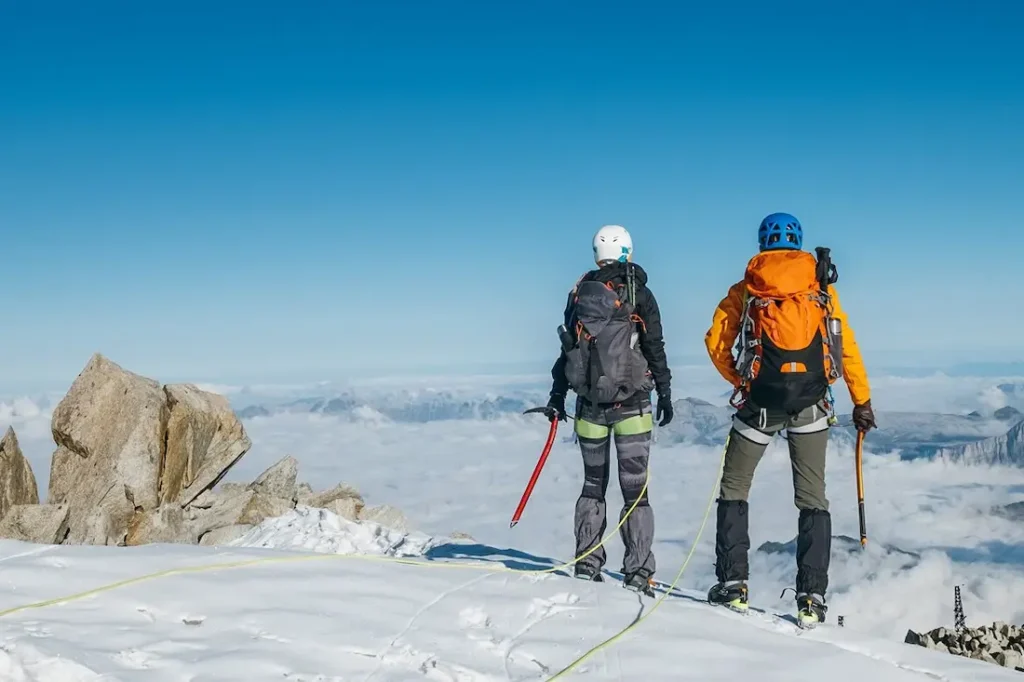
Why Travelers Experience Elevation Problems
Many visitors fly directly from sea level to high-altitude cities within a few hours. The human body normally needs several days to adapt naturally.
Several factors can increase the likelihood of experiencing elevation problems:
- Rapid ascent, especially when flying directly into high-altitude destinations
- Dehydration, which reduces oxygen circulation and overall energy levels
- Alcohol consumption, as it can worsen dehydration and disrupt sleep patterns
- Overexertion upon arrival, such as walking long distances or climbing stairs too soon
- Poor sleep quality, commonly experienced during the first night at altitude
- Lack of acclimatization planning, including tight travel schedules without rest periods
Being aware of these triggers allows travelers to prepare in advance and respond appropriately, helping them apply the correct treatment for altitude sickness from the very beginning of their journey and significantly improving overall comfort during high-altitude travel.
Treatment for Elevation Sickness: Understanding Body Adaptation
Understanding how the human body responds to high elevations is essential for anyone traveling to mountainous destinations. Rather than reacting instantly, the body undergoes a gradual adaptation process that allows it to function efficiently in environments with lower oxygen levels. Learning how this adjustment works helps travelers recognize normal responses, reduce discomfort, and approach altitude exposure in a safer and more informed way.
How the Body Adjusts to High Altitude
When arriving at high altitude, the body immediately begins working to adapt to the thinner air. With less oxygen available in each breath, breathing becomes deeper and more frequent, helping the body maintain adequate oxygen levels. At the same time, circulation gradually adjusts to transport oxygen more efficiently throughout muscles and organs.
This adaptation does not happen instantly. Giving the body time to adjust naturally makes a noticeable difference in comfort and energy levels during the first days of travel. For this reason, experienced travelers and guides recommend taking it easy during the first 24 to 48 hours—resting, staying well hydrated, and postponing strenuous activities such as trekking or intense sightseeing until the body feels fully acclimatized.
Immediate Treatment for Altitude Sickness After Arrival
If symptoms appear shortly after reaching altitude, applying early Treatment for altitude sickness methods can quickly stabilize your condition.
Immediate Treatment for Altitude Sickness After Arrival
Some travelers may begin to notice symptoms shortly after arriving at high altitude, especially when transitioning quickly from lower elevations. Taking immediate action during the first hours can make a significant difference in how the body responds and help stabilize discomfort before it progresses. Applying simple and effective treatment for altitude sickness measures early allows travelers to recover faster and continue their journey more comfortably.
1. Rest and Limit Physical Activity
Allowing the body to recover is one of the most effective initial responses. During the first day, it is important to avoid strenuous activities such as long walks, climbing stairs repeatedly, or carrying heavy luggage. Giving your body time to adjust helps reduce fatigue and supports a smoother adaptation process.
2. Stay Hydrated
Hydration plays a key role in maintaining proper circulation and oxygen delivery throughout the body. Drinking water regularly throughout the day helps reduce common altitude-related discomfort and supports overall recovery. Consistent fluid intake also works as a supportive treatment for elevation sickness, especially during the first 24 hours after arrival.
3. Eat Light Meals
Choosing light, easily digestible meals can help the body function more efficiently at altitude. Foods rich in carbohydrates provide accessible energy and assist oxygen metabolism, helping travelers maintain strength without placing additional stress on digestion during the acclimatization period.
Natural Treatment for Elevation Sickness Used in Peru
For centuries, Andean communities have developed natural methods to help the body adapt to life at high altitude. These traditional practices continue to be widely used today and are often recommended to travelers seeking gentle and effective ways to reduce discomfort while adjusting to elevation. Many of these remedies focus on improving breathing, digestion, and overall energy levels during the acclimatization process.
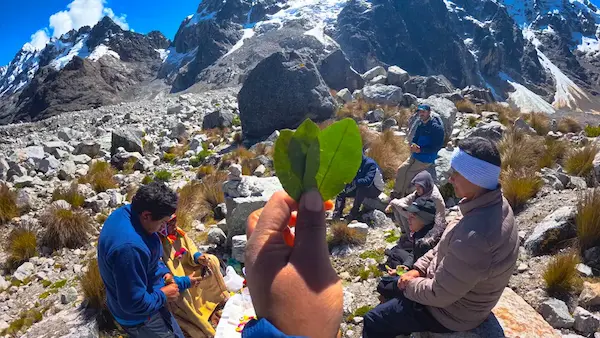
Coca Leaf Tea
Coca tea is one of the most recognized traditional remedies in the Andes. Consumed for generations, it helps stimulate circulation and supports breathing efficiency at higher elevations. Many hotels and local establishments offer coca tea upon arrival as part of a welcoming ritual and as a natural treatment for altitude sickness commonly trusted by locals and visitors alike.
Herbal Infusions
Other native herbs, such as muña, are also valued for their calming and digestive properties. These herbal infusions can help relieve stomach discomfort and promote easier breathing, offering gentle treatment for elevation sickness support during the first days at altitude.
Oxygen Assistance
In destinations located at higher elevations, many hotels, clinics, and tour operators provide supplemental oxygen when needed. This temporary assistance can help travelers recover more comfortably, particularly if symptoms appear unexpectedly or after physical exertion.
You might also be interested in reading: San Pedro market Cusco: what to see, eat & buy
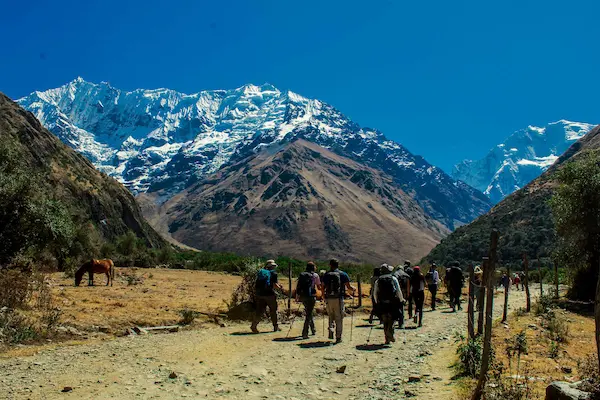
Medical Treatment for Altitude Sickness
While many travelers adapt naturally to higher elevations, some individuals may be more sensitive to altitude changes and benefit from medical support as part of their preparation. In these cases, preventive and symptom-based treatments can help reduce discomfort and allow for a safer adjustment period during the first days of travel.
Healthcare professionals may recommend certain medications depending on personal health conditions and travel plans, including:
- Acetazolamide (Diamox), commonly used to assist acclimatization
- Pain relievers to manage headaches or muscle discomfort
- Anti-nausea medication to ease digestive symptoms
It is important to consult a medical professional before traveling, especially when visiting destinations located at significant elevations. Proper medical guidance and preparation help travelers choose the safest treatment for altitude sickness, ensuring greater comfort and confidence throughout their journey.
Preventive Treatment for Altitude Sickness Before Traveling
Preparation begins long before boarding your flight.
Proper preparation for high-altitude travel begins well before boarding your flight. Taking preventive measures in advance allows the body to respond more efficiently to elevation changes and significantly reduces the likelihood of experiencing discomfort upon arrival. Travelers who plan ahead often adapt faster and enjoy a smoother transition during the first days of their journey.
One of the most effective preventive strategies is choosing an itinerary that allows for a gradual ascent rather than immediate exposure to extreme elevations. Spending time in destinations located at moderate altitude before moving higher gives the body the opportunity to begin adapting naturally.
Effective prevention commonly includes:
- Gradual ascent itineraries, allowing progressive adaptation to elevation
- Physical preparation, especially cardiovascular conditioning prior to travel
- Adequate sleep, which supports recovery and oxygen regulation
- Avoiding alcohol during the first days, as it may worsen dehydration and fatigue
In addition, many organized travel programs now incorporate scheduled acclimatization days specifically designed as preventive Treatment for altitude sickness measures. These rest periods help travelers adjust comfortably while still enjoying cultural activities at a relaxed pace.
Travelers participating in guided adventures such as peru trekking tours often benefit from professionally designed altitude adaptation schedules. Experienced guides monitor pacing, recommend hydration routines, and ensure that activities progress safely according to the group’s adaptation level, creating a more enjoyable and secure travel experience overall.
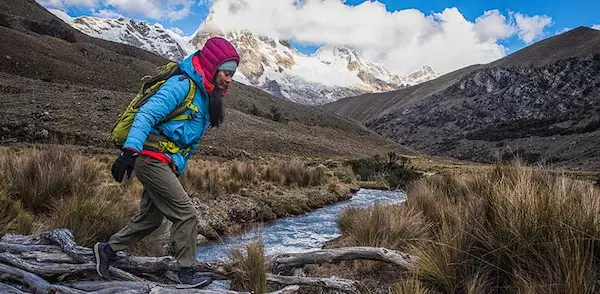
Treatment for Elevation Sickness During Trekking Adventures
High-altitude trekking presents unique physical challenges that require proper preparation and awareness. Applying the right treatment for elevation sickness during trekking adventures is essential to ensure a safe and enjoyable experience in mountain environments.
During multi-day hikes, it is recommended to:
- Walk at a slow and steady pace to allow proper acclimatization
- Maintain controlled and consistent breathing
- Take frequent breaks to avoid overexertion
- Monitor symptoms daily, especially headaches, fatigue, or dizziness
Having professional guides trained in treatment for elevation sickness during trekking adventures protocols plays a key role in reducing risks and ensuring immediate response during high-mountain expeditions.
Food and Nutrition as Treatment for Altitude Sickness
Proper nutrition plays a surprisingly important role in preventing discomfort at high elevations. Maintaining adequate energy and hydration supports the body’s adaptation process, making food and nutrition as treatment for altitude sickness a key factor during trekking and mountain expeditions.
Recommended foods include:
- Warm soups to support hydration and digestion
- Fresh fruits rich in vitamins and natural sugars
- Whole grains that provide sustained energy
- Light proteins that are easy to digest at altitude
Following a balanced diet focused on food and nutrition as treatment for altitude sickness helps improve acclimatization, maintain strength, and reduce fatigue during high-altitude adventures.
Travelers exploring Peru’s culinary scene through experiences like Peru Gastronomic Tours often discover meals naturally adapted for altitude digestion.
Balanced nutrition becomes an essential component of effective Treatment for altitude sickness.
Cultural Experiences Without Altitude Stress
Participating in local traditions, markets, and celebrations such as traditional carnivals in Peru offers an excellent balance between exploration and rest. These experiences encourage moderate movement rather than physical exhaustion, supporting gradual acclimatization and serving as a natural complement to treatment for altitude sickness strategies.
By combining cultural immersion with low-intensity activities, travelers reduce physical strain while still enjoying authentic destinations, improving overall adaptation and enhancing the effectiveness of treatment for altitude sickness during the first days at altitude.
You might also be interested in reading: Spring break destinations 2026: Top 20
When to Descend: The Most Important Treatment for Altitude Sickness
Although most altitude-related symptoms improve with rest and proper acclimatization, there are situations where remaining at high elevation may worsen discomfort and pose health risks. When symptoms persist or intensify despite preventive measures, moving to a lower altitude becomes the safest and most effective decision.
Travelers should pay close attention to warning signs that indicate the body is not adapting properly, including:
- Persistent vomiting
- Severe or worsening headache
- Confusion or difficulty concentrating
- Shortness of breath even while resting
Descending to a lower elevation allows oxygen levels to increase, helping the body recover more quickly and reducing the risk of serious complications. Acting early and responding to these signals responsibly is essential to ensuring a safe and comfortable travel experience in high-altitude destinations.
Travel Planning Tips for 2026
Travel planning has evolved significantly in recent years, with greater awareness of how altitude can impact the overall travel experience. Today, well-designed itineraries consider not only destinations and activities but also the time needed for travelers to adapt comfortably to higher elevations.
Modern travel programs often include practical measures such as:
- Scheduled acclimatization days upon arrival
- Basic health monitoring during high-altitude stays
- Professional guided support throughout excursions
- Flexible activity pacing to avoid physical overexertion
Choosing a thoughtfully organized itinerary allows travelers to adjust gradually while enjoying each destination at a comfortable rhythm. This type of planning naturally integrates effective treatment for altitude sickness strategies, helping ensure a safer and more enjoyable journey from beginning to end.
Psychological Factors and Altitude Adjustment
Altitude adaptation is not influenced only by physical conditions; mental and emotional factors also play an important role in how travelers experience elevation changes. Stress, anxiety, or fear of feeling unwell can intensify discomfort and make symptoms feel more pronounced, especially during the first days at high altitude.
Maintaining a calm mindset, practicing slow and controlled breathing, and approaching the experience with realistic expectations can significantly improve overall comfort. Simple actions such as resting when needed, avoiding rushed schedules, and allowing time to adjust naturally help support positive treatment for elevation sickness outcomes.
Mental comfort often has a greater impact than travelers expect. Feeling relaxed, well-informed, and supported throughout the journey contributes to a smoother adaptation process and allows visitors to enjoy high-altitude destinations with greater confidence.
You might also be interested in reading: Top 15 museums in cusco in 2026
Frequently Asked Questions About Treatment for Altitude Sickness
Before traveling to high-altitude destinations, many visitors have common concerns about how altitude may affect their experience. Understanding what to expect and how to respond to possible symptoms helps travelers feel more prepared and confident throughout their journey. The following frequently asked questions address some of the most common doubts related to altitude adaptation and travel safety.
How long does altitude sickness last?
Most symptoms improve within 24–48 hours with proper Treatment for altitude sickness and adequate rest during the acclimatization period.
Can everyone adapt?
Yes, although adaptation speed varies between individuals depending on age, physical condition, and previous altitude exposure.
Is Machu Picchu safer than Cusco?
Generally, yes. Machu Picchu is located at a lower altitude than Cusco, which means many travelers experience fewer altitude-related symptoms there.
Should I take medication before arriving at high altitude?
Some travelers choose preventive medication, especially if they have experienced altitude sensitivity before. Consulting a healthcare professional beforehand helps determine the safest Treatment for altitude sickness approach.
Does drinking more water really help?
Yes. Staying well hydrated supports circulation and oxygen delivery throughout the body, which can reduce discomfort during the first days at elevation.
Can I exercise on my first day at high altitude?
It is recommended to avoid intense physical activity during the first 24 hours. Allowing the body time to adapt significantly improves recovery and supports effective Treatment for altitude sickness outcomes.
Conclusion
Traveling through Peru’s highlands is an experience that stays with you long after the journey ends. The mountains, traditions, flavors, and history found at high elevations offer something deeply meaningful to travelers seeking authentic discovery.
Preparing yourself with the right Treatment for altitude sickness allows you to fully enjoy these destinations without unnecessary discomfort or concern. With proper planning, gradual acclimatization, hydration, and awareness of your body’s signals, altitude becomes not an obstacle but part of the adventure itself.
In the end, altitude adaptation is simply another step in connecting with Peru’s extraordinary landscapes. When approached thoughtfully, the journey becomes smoother, safer, and infinitely more rewarding.