Do you find yourself planning your time off and looking forward to the most anticipated holidays as soon as the year begins? Undoubtedly, the carnivals in Peru are among the most exciting and famous events on this side of the continent. This celebration, which coincides with summer, fills us with energy and provides the perfect excuse to enjoy days full of joy, tradition, and culture in such a diverse and fascinating country.
In this article, I’ll share everything you need to know about these unique annual festivities: from the reasons you can’t miss them to a guide featuring the most prominent regions and dates for the best carnivals. Get ready to discover the cultural and touristic richness of Peru, a country that celebrates life through its music, dances, and traditions.
You may also be interested in reading: Inti Raymi 2026
What are the Carnivals in Peru?
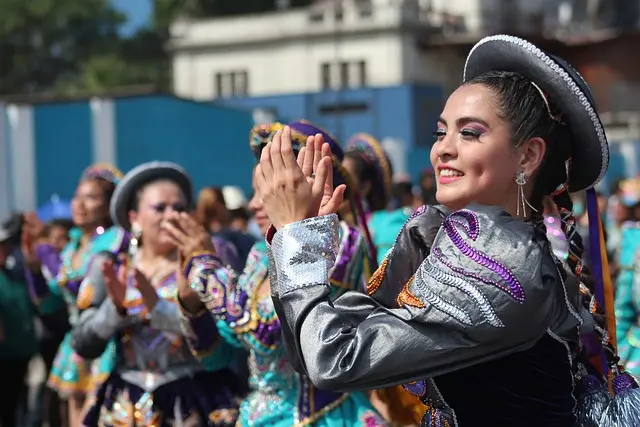
The Peruvian Carnival is one of the country’s most important festivals, celebrated before the beginning of Lent, although it varies depending on the region. This celebration has its roots in European traditions but has acquired a unique character over time, blending elements from Andean, African, and European cultures. During these days, cities and towns are filled with parades, music, dances, troupes, and the famous “water games,” a fun and refreshing tradition for the whole family.
Dates for the carnivals in Peru 2026
In 2026, carnival season in Peru follows the Catholic calendar leading up to Ash Wednesday, so celebrations take place mainly in mid-February and extend through local traditions across regions.
National carnival period:
- Carnival season runs roughly from February 14 to February 17–18, 2026, with regional variations depending on local traditions and timing of Ash Wednesday.
Cajamarca carnival 2026
- The main festivities in Cajamarca are scheduled from February 14 to February 18, 2026, with parades, música, battles with water and paint, and the symbolic burial of Ño Carnavalón on the final day.
Ayacucho carnival 2026
- Official celebrations in Ayacucho will take place from February 14 to February 18, 2026, filled with comparsas, traditional dances, music, and community events throughout the city.
Cusco carnival 2026
In Cusco, carnival festivities are celebrated over several days with a mix of cultural traditions:
- February 20: Compadres’ Thursday
- February 27: Comadres’ Thursday
- March 2–4: Core carnival days with parades and yunza activities
- March 9: Final celebration day in some communities
These dates reflect how each local community extends and adapts the celebrations to its own customs.
Other regional carnivals
Across the Andes and along the Peruvian coast, many regions celebrate carnivals in Peru with their own local variations between mid-February and early March. These festivities are deeply connected to community traditions and combine ancestral rituals, music, dance, and playful interactions, offering a more intimate and authentic perspective of carnivals in Peru beyond the main cities.
Andean community celebrations
In Andean towns and rural villages, carnivals in Peru are closely linked to agricultural cycles and collective rituals. Traditions such as the yunza, communal dances, and symbolic ceremonies represent abundance, renewal, and gratitude toward nature. Music, colorful costumes, and shared food strengthen community bonds and invite visitors to participate in one of the most culturally rich expressions of carnivals in Peru, deeply rooted in Andean heritage.
Coastal neighborhood festivities
Along the coast, carnivals in Peru tend to be more spontaneous and playful. Streets become gathering points for water and paint games, live music, and neighborhood parties. These coastal carnivals in Peru emphasize joy and social interaction, often accompanied by regional dishes and local rhythms that reflect the vibrant coastal lifestyle and festive spirit of the season.
You may also be interested in reading: Festivities in Cusco for 2026
The Best Regions to Experience the Carnivals in Peru 2026
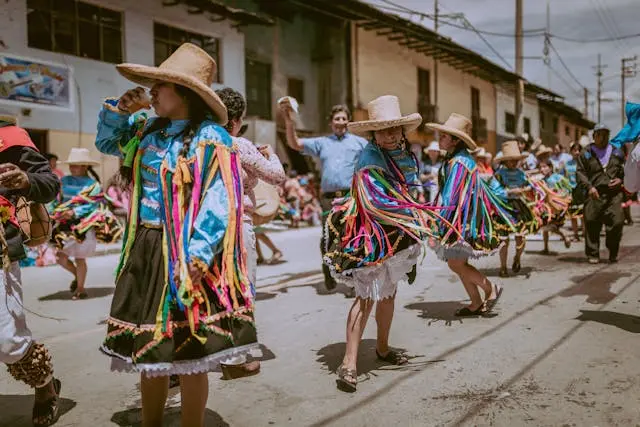
If you’re planning to enjoy the carnivals in Peru in 2026, here are some of the best regions to immerse yourself in this vibrant cultural experience. Each destination offers unique traditions, music, dances, and celebrations that reflect the diversity and festive spirit of the country, making carnival season an unforgettable time to explore Peru.
1. Cajamarca Carnival
One of Peru’s most renowned carnivals is the Cajamarca Carnival, celebrated in the northern city of Cajamarca. This carnival is famous for its traditional parade of troupes, typical music, dances, and, of course, the use of water and foam in the streets. It’s a fantastic opportunity to learn more about Andean customs and enjoy one of Peru’s liveliest celebrations.
Highlights:
- Parade of troupes
- Andean music and dance competitions
- Carnival queen contests
- Water and foam games
Cultural traditions:
The Cajamarca Carnival is deeply rooted in local identity and blends ancestral Andean customs with colonial influences. One of its most symbolic moments is the presence of “Ño Carnavalón,” a festive character that represents joy and excess during the celebration.
Local gastronomy:
During carnival season, visitors can enjoy traditional dishes such as caldo verde, fried pork, and regional sweets, which are an essential part of the celebration and reflect Cajamarca’s rich culinary heritage.
Why visit Cajamarca during carnival:
The city transforms into a lively stage filled with music, color, and community spirit. It’s an ideal destination for travelers seeking an authentic cultural experience and a deeper connection with Peru’s festive traditions.
You may also be interested in reading: How to prepare for high altitude travel in Peru in 2026
2. Puno Carnival
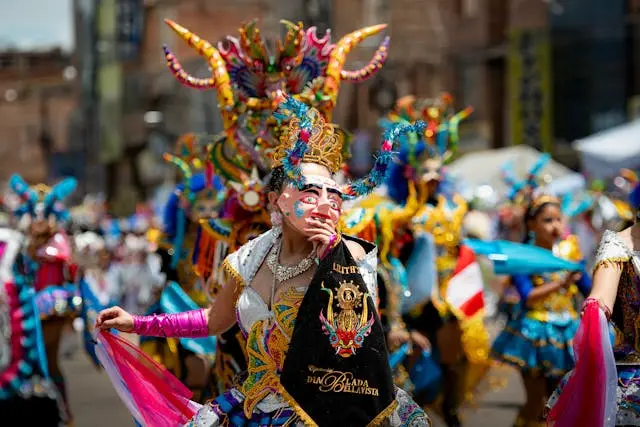
The Puno Carnival is one of the most important carnivals in Peru, especially in the southern region of the country. This vibrant celebration stands out for the active participation of indigenous communities, who wear traditional costumes and perform ancestral dances and music. Among the most iconic expressions of carnivals in Peru in this region is the famous diablada puneña, a powerful cultural performance that reflects Andean spirituality, history, and identity.
Tours in Puno may include visits to local communities or activities that enrich the carnival experience.
Highlights:
- Folk group parades
- Mass in honor of the Virgin of Candelaria
- Traditional dances like the diablada
- Cultural events and festivities
Cultural significance:
The Puno Carnival blends religious devotion with pre-Hispanic traditions, reflecting the deep spiritual identity of the region. The celebration honors both Catholic beliefs and ancestral Andean worldviews, creating a powerful expression of cultural syncretism.
Local gastronomy:
During carnival, visitors can enjoy regional dishes such as fried trout, quinoa-based meals, and traditional stews, which add a flavorful dimension to the festivities and showcase the culinary richness of the Altiplano.
Why experience carnival in Puno:
Celebrating carnival in Puno offers a unique opportunity to witness living traditions that have been preserved for generations. The combination of music, dance, spirituality, and community participation makes it one of the most immersive carnival experiences in Peru.
You may also be interested in reading: Family Travel to Peru: Safe Routes, Best Tours and Kid-Friendly Spots
3. Arequipa Carnival
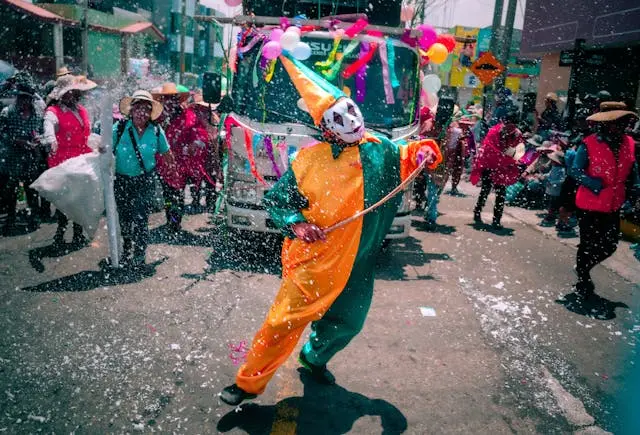
Arequipa, known as the “White City,” also celebrates one of the most distinctive carnivals in Peru with great enthusiasm. This celebration is characterized by a unique blend of religious and festive events, reflecting the city’s rich colonial heritage combined with deeply rooted local traditions. During the Arequipa Carnival, visitors can experience colorful processions, traditional tijeras dances, and lively wind music, all accompanied by the popular water games that are a hallmark of carnivals in Peru and add a playful spirit to the festivities.
Highlights:
- Parades at the Plaza de Armas
- Tijeras dance competitions
- Cultural and gastronomic events
- Musical concerts and festivals
Cultural traditions:
Carnival in Arequipa often blends religious processions with folkloric performances, showcasing the region’s cultural diversity. The tijeras dance, recognized for its complexity and symbolism, stands out as a powerful expression of Andean heritage and artistic skill.
Local gastronomy:
Food plays an important role during carnival celebrations in Arequipa. Visitors can enjoy iconic dishes such as rocoto relleno, adobo arequipeño, and traditional sweets, which are commonly prepared for communal gatherings and festive events.
Why experience carnival in Arequipa:
Celebrating carnival in Arequipa allows travelers to experience a dynamic blend of history, tradition, and modern celebration. The city’s stunning architecture, lively public spaces, and rich cultural agenda make it an ideal destination for those seeking both cultural depth and festive energy.
You may also be interested in reading: Top 10 bucket list treks in 2026
4. Ayacucho Carnival
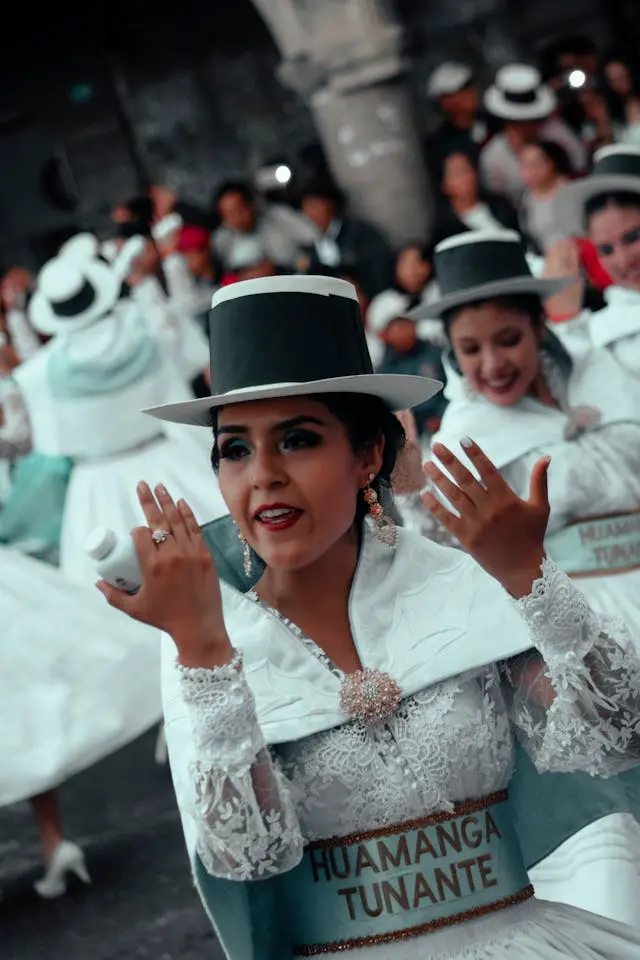
In Ayacucho, the carnival carries deep cultural and historical significance, making it one of the most meaningful carnivals in Peru. The festivities are closely intertwined with religious traditions, particularly processions honoring the Virgin of the Assumption, which highlight the city’s strong spiritual heritage. Alongside these ceremonies, Ayacucho’s carnivals in Peru feature dance contests, live musical performances, and traditional water and foam games, creating a dynamic celebration that blends devotion, history, and joyful community participation.
Highlights:
- Religious processions
- Folkloric dance competitions
- Popular games and festivities
- Cultural and gastronomic activities
Cultural traditions:
Carnival in Ayacucho represents a fusion of faith and popular celebration. Traditional dances and musical performances serve as expressions of identity and collective memory, while community participation reinforces social bonds and shared heritage.
Local gastronomy:
During carnival season, visitors can enjoy traditional Ayacuchan dishes such as puca picante, chorizo, and regional breads and sweets, which are commonly prepared for festive gatherings and shared among families and neighbors.
Why experience carnival in Ayacucho:
Celebrating carnival in Ayacucho offers a meaningful cultural experience where history, spirituality, and festivity come together. It is an ideal destination for travelers seeking authentic traditions, strong community spirit, and a deeper understanding of Peru’s cultural diversity.
5. Cusco Carnival
The Cusco Carnival is one of the most joyful celebrations in southern Peru, blending Andean traditions with Catholic influences. Festivities include colorful parades, traditional dances, and the symbolic cutting of the yunza tree, decorated with gifts. Water and flower games are common, creating a festive and playful atmosphere throughout the city.
Highlights:
- Yunza tree-cutting ceremonies
- Traditional Andean music and dances
- Community celebrations in neighborhoods
- Water and flower games
Cultural traditions:
Festivals in Cusco reflect a strong connection to Andean worldview and communal values. Carnival celebrations emphasize gratitude to nature, fertility, and abundance, while music and dance act as living expressions of identity. The yunza ritual, in particular, symbolizes unity, generosity, and shared joy within the community.
Local gastronomy:
During carnival season, Cusco offers a rich variety of traditional dishes such as timpu (Andean soup), chiri uchu, roasted meats, and corn-based preparations. These foods are commonly prepared for family gatherings and neighborhood celebrations, reinforcing the social spirit of the festival.
Why experience festivals in Cusco:
Experiencing carnival in Cusco allows travelers to engage with authentic Andean traditions in a vibrant and meaningful way. It is an ideal destination for those seeking cultural depth, community-driven celebrations, and a unique blend of history, spirituality, and festivity in the heart of the Andes.
6. Juliaca Carnival
Known as one of the longest and most energetic carnivals in Peru, the Juliaca Carnival features vibrant parades that can last for weeks. Dance competitions, elaborate costumes, and large folkloric groups fill the streets, making it a major cultural event in the Puno region.
Highlights:
- Massive folkloric parades
- Dance competitions with regional groups
- Traditional music performances
- Strong community participation
Cultural traditions:
The carnival in Juliaca is deeply rooted in Andean identity and collective expression. Dance troupes represent local neighborhoods, rural communities, and cultural associations, showcasing traditional rhythms and choreographies passed down through generations. Carnival celebrations emphasize unity, pride, and cultural resilience, turning the city into a living stage of Andean heritage.
Local gastronomy:
During carnival season, visitors can enjoy hearty highland dishes such as chairo, thimpu, fried trout, and quispiño, along with traditional drinks made from corn and local grains. Food stalls and family gatherings play an essential role in the celebration, offering warmth and energy amid the high-altitude festivities.
Why experience carnival in Juliaca:
Experiencing carnival in Juliaca offers an authentic and immersive look into Andean culture at its most vibrant. The scale of the celebrations, combined with strong community involvement and powerful cultural expression, makes it an unforgettable destination for travelers seeking intense folklore, music, and living traditions in Peru’s southern highlands.
You may also be interested in reading: Inca trail vs salkantay trek: pros, cons and what to expect
7. Huánuco Carnival
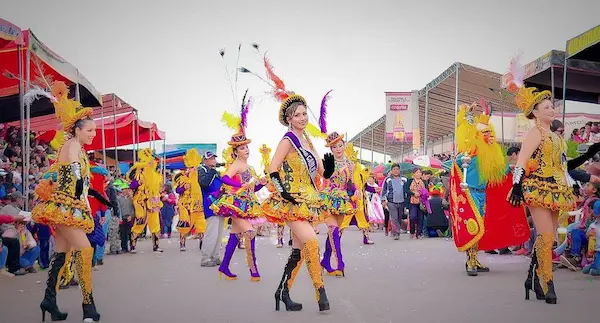
The Huánuco Carnival stands out among carnivals in Peru for its unique blend of Andean and Amazonian traditions. This vibrant celebration features satirical dances, colorful costumes, and the famous humalishca, a ritual dance symbolizing joy, unity, and the playful spirit of the season. As one of the most distinctive carnivals in Peru, the Huánuco Carnival reflects the region’s cultural diversity and offers visitors an authentic experience rooted in local identity and ancestral heritage.
Highlights:
- Humalishca dance performances
- Traditional costumes and masks
- Cultural shows and street celebrations
- Local gastronomy fairs
Cultural traditions:
Carnival in Huánuco reflects a deep connection with nature and ancestral beliefs. The humalishca is not just a dance but a communal ritual where music, movement, and symbolism come together to celebrate life, abundance, and harmony with the natural world. Satirical performances also play an important role, using humor and dance to comment on social life and local traditions.
Local gastronomy:
During carnival season, visitors can enjoy regional specialties such as pachamanca, cecina, picante de cuy, and traditional Amazonian-inspired dishes. Gastronomy fairs showcase local flavors, native ingredients, and homemade beverages, making food an essential part of the festive experience.
Why experience carnival in Huánuco:
Celebrating carnival in Huánuco offers a culturally rich and authentic experience away from more crowded destinations. Its blend of Andean and Amazonian traditions, strong symbolic rituals, and warm community atmosphere make it an ideal choice for travelers seeking meaningful cultural immersion and a deeper understanding of Peru’s diverse heritage.
8. Huaraz Carnival
Celebrated in the heart of the Cordillera Blanca, the Huaraz Carnival is one of the most scenic carnivals in Peru, combining highland traditions with breathtaking mountain landscapes. This vibrant celebration features traditional music, colorful dances, and the yunza ritual, a central symbol of abundance and community. Alongside these customs, water games play an important role, refreshing participants during the summer season and reinforcing the joyful, communal spirit that defines carnivals in Peru.
Highlights:
- Yunza celebrations
- Andean folk music and dances
- Water and paint games
- Cultural activities in public squares
Cultural traditions:
Carnival in Huaraz reflects the deep Andean worldview centered on community, nature, and reciprocity. The yunza ritual symbolizes abundance and unity, bringing neighbors and visitors together in a shared celebration. Music and dance serve as expressions of local identity, often passed down through generations and performed with pride during carnival season.
Local gastronomy:
During the festivities, visitors can enjoy regional dishes such as pachamanca, cuy, llunca soup, and traditional Andean stews. Local drinks like chicha de jora are also commonly shared during communal gatherings, reinforcing the festive and welcoming atmosphere.
Why experience carnival in Huaraz:
Experiencing carnival in Huaraz offers a unique combination of cultural tradition and natural beauty. Surrounded by snow-capped peaks and alpine landscapes, the celebration provides an authentic highland experience ideal for travelers who want to connect with Andean culture while enjoying one of Peru’s most scenic regions.
You may also be interested in reading: Travel peru itinerary: best budget-friendly routes for travelers
9. Tumbes Carnival
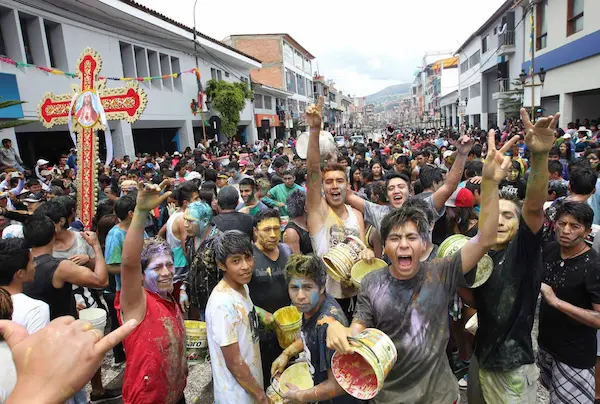
The Tumbes Carnival reflects the tropical character of northern coastal Peru. It is known for its lively street parties, Afro-Peruvian rhythms, and vibrant costumes. The warm climate encourages water games and open-air celebrations that attract both locals and visitors.
Highlights:
- Street parades and dance performances
- Afro-Peruvian and tropical music
- Water games and beachside festivities
- Local food and cultural events
Cultural traditions:
Carnival in Tumbes reflects a strong coastal and Afro-Peruvian influence, where rhythm and movement are central to celebration. Music and dance play a key role in expressing identity, joy, and community pride. The carnival atmosphere is informal and inclusive, inviting everyone to participate regardless of age or background.
Local gastronomy:
During carnival season, visitors can enjoy seafood-based dishes such as ceviche, majarisco, conchas negras, and plantain-based specialties. Fresh tropical fruits and traditional drinks are also widely available, perfectly complementing the coastal climate and festive mood.
Why experience carnival in Tumbes:
Experiencing carnival in Tumbes offers a refreshing perspective on the Carnivals in Peru, combining beach culture, tropical energy, and rich musical traditions. It is an ideal destination for travelers seeking sunshine, vibrant nightlife, and a carnival celebration deeply connected to coastal life and Afro-Peruvian heritage.
10. Moyobamba Carnival
The Moyobamba Carnival, celebrated in the Amazon region, offers a unique expression of Carnival in Peru with strong jungle influences. The festivities include nature-inspired rituals, music, dances, and community gatherings that highlight the connection between culture and the environment.
Highlights:
- Amazonian music and dances
- Community rituals and celebrations
- Colorful parades and costumes
- Traditional food and regional products
Cultural traditions:
Carnival in Moyobamba is closely linked to nature and ancestral Amazonian beliefs. Rituals often symbolize renewal, fertility, and gratitude to the land, reinforcing the bond between people and their surroundings. Music and dance reflect jungle rhythms and storytelling, serving as cultural expressions passed down through generations.
Local gastronomy:
During carnival season, visitors can enjoy Amazonian specialties such as juane, tacacho con cecina, grilled river fish, and dishes made with local ingredients like plantains and yuca. Regional fruits and traditional beverages add to the sensory richness of the celebration.
Why experience carnival in Moyobamba:
Experiencing carnival in Moyobamba offers a distinctive perspective on the Carnivals in Peru, combining cultural tradition with Amazonian heritage. It is an ideal destination for travelers seeking an immersive cultural experience, close contact with nature, and a celebration that highlights the diversity of Peru’s regions.
Activities and Traditions of the Carnivals in Peru 2026
The Carnivals in Peru 2026 are not just about parades and lively street parties. They are deeply rooted cultural celebrations that combine ancestral traditions, community rituals, music, food, and collective joy. Each region adds its own identity to the Carnivals in Peru, creating a diverse and immersive experience for both locals and visitors.
- Water games: One of the most iconic traditions of the Carnivals in Peru is the famous water game. During carnival days, streets come alive with young people and adults splashing each other with water using squirt guns, balloons, buckets, and even flower-scented water. This playful tradition symbolizes joy, renewal, and community bonding. Since the Carnivals in Peru take place during the peak of the summer season, water games also provide a refreshing way to celebrate under the sun.
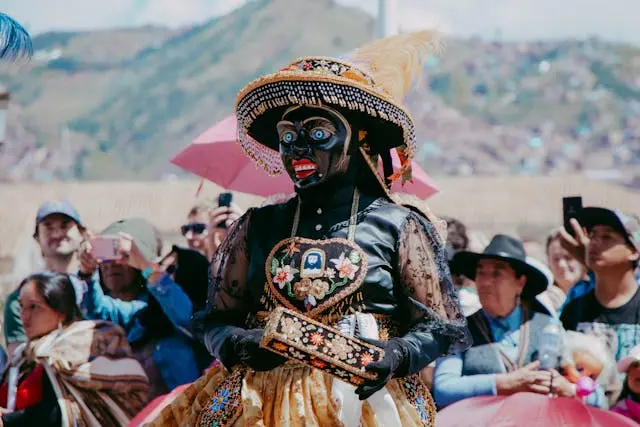
- Traditional music and dances: Music is at the heart of the Carnivals in Peru, setting the rhythm for every celebration. From Andean melodies to tropical and coastal beats, each region showcases its own musical identity. Traditional dances such as the diablada, marinera, danza de los negritos, and many local variations fill the streets with color and movement. Instruments like the quena, zampoña, charango, and drums create a vibrant atmosphere that defines the unique spirit of the Carnivals in Peru and brings entire communities together.
- Gastronomy: Food plays a fundamental role during the Carnivals in Peru, reflecting the country’s extraordinary culinary diversity. Each region prepares special dishes that are closely tied to local traditions and seasonal ingredients. In Cajamarca, it is common to enjoy hearty chicken soup and stewed duck, while in Puno, fried trout and traditional carnival stews are especially popular. Sharing food during the Carnivals in Peru is more than just a meal, it is a social ritual that strengthens community ties and completes the festive experience.
You may also be interested in reading: Places in the peruvian highlands
Tips for Enjoying the Carnivals in Peru 2026
The Carnivals in Peru are more than just street parties they are living cultural expressions deeply connected to local identity, history, and community life. Taking the time to understand the meaning behind each celebration will greatly enrich your experience. From Andean rituals that honor nature to coastal festivities filled with music and dance, the Carnivals in Peru offer a unique opportunity to witness how tradition and joy come together across different regions of the country. Approaching these celebrations with curiosity and openness will allow you to connect more deeply with both the people and the culture.
- Be ready to get wet: Water games are a core part of carnival traditions across many regions of Peru. Expect people to throw water, foam, paint, or even flower-scented mixtures in the streets. Wear light, comfortable, and water-friendly clothing, and avoid carrying valuables that could be damaged. Bringing a small waterproof bag for essentials like your phone or documents is highly recommended.
- Learn about local activities: Each region celebrates carnival in its own unique way, with specific dates, parades, dances, and rituals such as the yunza or the burial of carnival characters. Take time to learn the daily schedule so you don’t miss key events. Local tourism offices and tour operator can provide updated programs and help you understand the cultural meaning behind each activity.
- Enjoy the local cuisine: Carnival season is also a time of special foods that are not always available during the rest of the year. From hearty stews to traditional sweets and drinks, each region offers dishes tied directly to its cultural identity. Trying local food is one of the best ways to fully experience carnival traditions and connect with the community.
- Respect the traditions: Carnivals are joyful, but they are also deeply rooted in local customs and beliefs. Always be respectful of ceremonies, dances, and community rules. Ask permission before taking photos of people, especially during rituals, and follow local guidance when participating in festivities. Showing respect helps create positive interactions and a more meaningful travel experience.
Experience the Carnivals in Peru 2026
The Carnivals in Peru 2026 promise to be one of the country’s most exciting and colorful celebrations. With a rich mix of traditions, music, dances, and gastronomy, these carnivals offer a unique opportunity to immerse yourself in Peruvian culture and live an unforgettable experience. Whether you choose to enjoy the carnival in Cajamarca, Puno, Arequipa, or Ayacucho, you can also explore other activities in Peru, like complementing your carnival experience with tours in Ica.
Plan your trip in advance and get ready to experience the most vibrant carnival of your life. We’ll be waiting for you in Peru to celebrate the 2026 carnivals!