
If you really want to understand a city, don’t start with the postcard views. Start with the market.
The San Pedro market Cusco is where the city breathes without filters. It’s noisy, colorful, aromatic, and completely alive. This is not a polished attraction designed for tourists. It’s where locals shop every single day.
Located just a few blocks from Plaza de Armas, San Pedro market Cusco is the oldest and most traditional market in the city. For travelers, it offers something deeper than souvenirs: it offers context and once you step inside, you’ll understand why visiting San Pedro market Cusco is not optional, it’s essential.
The San Pedro market Cusco is more than a place to buy fruit. It’s a cultural snapshot of the Andes.
Built in 1925 and designed by Gustave Eiffel, the same engineer behind the Eiffel Tower, the structure itself already carries historical weight. But what makes San Pedro market Cusco truly special is what happens inside it every day.
Here’s why it deserves a place in your itinerary:
Visiting San Pedro market Cusco early in your trip helps you understand ingredients, flavors, and traditions you’ll encounter throughout Peru.
The building of San Pedro Market was designed by Gustave Eiffel, giving it a unique iron structure uncommon in the Andes at the time.
But beyond architecture, San Pedro market Cusco is about continuity. Many vendors have inherited their stalls from parents or grandparents. Some families have been working inside the market for over 40 years. It’s a living institution.
You might also be interested in reading: Spring break destinations 2026: Top 20
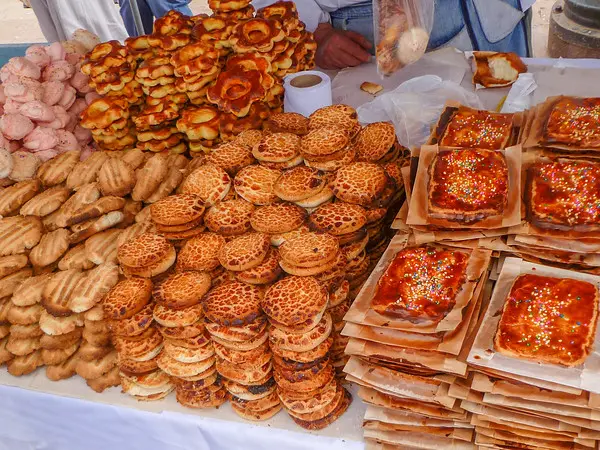
Walking into San Pedro market Cusco can feel overwhelming in the best possible way.
Colors hit first.
Mountains of fruit.
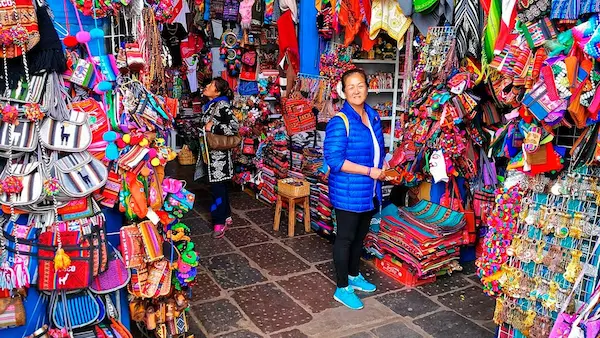
Bright woven textiles.
Stacks of potatoes in every imaginable shade.
Fresh bread lined up in endless rows.
There’s movement everywhere vendors calling out prices, locals greeting each other, knives chopping herbs, blenders whirring for fresh juice. The energy inside San Pedro market Cusco is constant, but never chaotic. It flows.
Inside San Pedro market Cusco you’ll find:
But to really understand what to see at San Pedro market Cusco, you have to slow down and walk it aisle by aisle.
One of the first areas that captures attention in San Pedro market Cusco is the fruit corridor.
Here, the colors feel almost exaggerated:
Many of these fruits arrive daily from Peru’s Amazon region. The contrast is striking jungle produce sitting at 3,400 meters above sea level.
The juice stands are lined up in long rows, each displaying towers of freshly cut fruit. You choose your combination, and within seconds, you have a tall glass of pure, fresh flavor.
This section alone makes San Pedro market Cusco one of the most photogenic spots in the city.
Peru is home to more than 3,000 varieties of potatoes, and San Pedro market Cusco proudly showcases that biodiversity.
You’ll see:
Next to them, giant Andean corn (choclo) sits in large piles. The kernels are bigger and softer than the corn you might know elsewhere.
At San Pedro market Cusco, these aren’t decorative. They’re daily staples.
Vendors are often happy to explain how each potato variety is used soups, stews, frying, baking. It’s a living agricultural lesson.
Follow the smell, and you’ll find the bread.
Inside San Pedro market Cusco, bakeries stack freshly baked loaves in impressive quantities. Sweet bread, crusty rolls, large round loaves everything is sold quickly, especially in the mornings.
What stands out isn’t just the bread itself, but the rhythm:
It’s simple. It’s everyday. And that’s exactly what makes San Pedro market Cusco so authentic.
This section feels different quieter, more focused. Bundles of dried plants hang from stalls. Leaves, roots, powders, and seeds are carefully arranged in small piles.
Common items include:
The herbal corridor at San Pedro market Cusco reflects Andean ancestral knowledge that still plays a role in daily life. It’s not presented as a performance for tourists. It’s practical. Locals buy these remedies regularly.
Further inside San Pedro market Cusco, you’ll find the butcher and dairy areas.
Large cuts of meat hang neatly displayed. Fresh cheeses are stacked in white blocks. You might notice:
This part of San Pedro market Cusco is less about aesthetics and more about function. It shows the supply chain of the city where restaurants and families source their ingredients.
It’s real, unfiltered daily commerce.
Toward the outer areas of San Pedro market Cusco, small stalls sell:
Unlike upscale souvenir shops, prices here are more grounded. You can talk directly with sellers, ask about materials, and sometimes even learn where the textile was made.
Shopping here feels more persona and because San Pedro market Cusco blends daily life with visitor interest, the atmosphere never feels overly commercial.
What truly defines San Pedro market Cusco isn’t any single section. It’s the transitions.
You move from fruit to bread.
From herbs to meat.
From textiles to spices.
Every aisle feels different. Every corner has a slightly different sound and smell. The diversity inside San Pedro market Cusco mirrors the diversity of Peru itself coast, jungle, and highlands all converging under one roof and that’s what makes walking through San Pedro market Cusco more than sightseeing. It feels like stepping into the heartbeat of Cusco.
One of the most fascinating areas inside San Pedro market Cusco is the herbal section.
Here you’ll see:
Vendors are usually happy to explain what each plant is used for. It’s not staged. It’s everyday knowledge passed down through generations.
If you want to see how ancestral traditions still shape modern Cusco, this section alone makes San Pedro market Cusco worth visiting.
If you leave San Pedro market Cusco without tasting something, you’re missing half the experience. The food court area is simple, affordable, and incredibly satisfying. For less than the cost of a cappuccino in a tourist café, you can enjoy a full local breakfast.
Typical foods at San Pedro market Cusco include:
The portions are generous. The flavors are real.
You might also be interested in reading: Top 15 museums in cusco in 2026
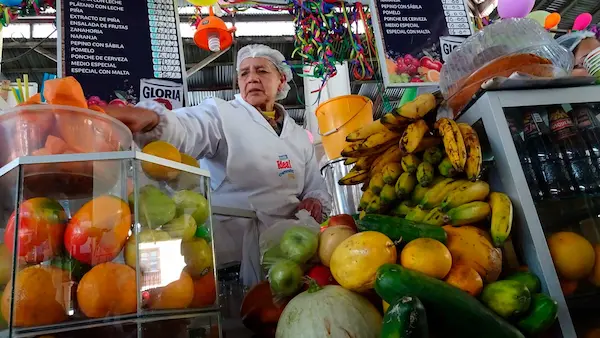
Breakfast at San Pedro market Cusco starts early — around 6:00 a.m.
A classic combo looks like this:
If you want something heartier, order caldo de gallina. It’s rich, filling, and surprisingly comforting especially on chilly Cusco mornings.
Eating inside San Pedro market Cusco feels communal. You sit shoulder to shoulder with locals starting their day.
If you’re looking for meaningful souvenirs without inflated prices, this is one of the smartest places to shop in the city. The atmosphere is informal, the pricing is more grounded, and the interaction feels direct. You’re buying from vendors, not storefront displays.
Yes, you can negotiate politely and respectfully. A small conversation often goes further than aggressive bargaining.
Here’s what you’ll typically find:
The variety reflects Peru’s geographic diversity. Jungle coffee sits next to highland grains. Coastal spices share space with mountain-grown herbs.
Compared to boutique souvenir shops in tourist-heavy streets, San Pedro market Cusco offers more authentic pricing. The products feel less packaged and more real sometimes literally wrapped in paper or simple plastic bags.
If you want something practical, edible, and genuinely local, this is the place to find it. And because many vendors specialize in one type of product, you’ll often get helpful recommendations on how to use or prepare what you buy.
Shopping here isn’t just about taking something home it’s about understanding where it comes from.
If you’re looking for lightweight, easy-to-pack items that still feel meaningful, there are several great options worth considering. The best souvenirs are the ones that carry a bit of context — something you tasted, smelled, or learned about during your visit.
Here are practical choices that travel well:
These items are compact, easy to fit into your luggage, and genuinely connected to local traditions. They’re not oversized decorative pieces that end up forgotten on a shelf — they’re things you can actually use.
Shopping here feels less transactional and more personal. Vendors often explain where the product comes from or how it’s traditionally used. Conversations matter. A quick exchange can turn a simple purchase into a small cultural moment you’ll remember long after the trip ends.
Practical tips for visiting San Pedro market Cusco
To truly enjoy the experience, a little preparation goes a long way. The atmosphere is lively and welcoming, but knowing how to move through it makes your visit smoother and more rewarding.
Keep these practical tips in mind:
The pace is fast but friendly. Vendors are used to visitors, yet this is still a working market first and foremost. Respect and awareness make all the difference.
San Pedro market Cusco is generally safe, but like any busy public space, staying attentive to your surroundings is simply smart travel behavior.
Timing shapes the experience more than most travelers realize.
Morning hours offer:
By midday, the market can become busier with tour groups and casual visitors. While still vibrant, it feels slightly more commercial.
Early mornings, on the other hand, feel grounded and local. That’s when you’ll see restaurant owners buying ingredients, families doing their grocery shopping, and vendors setting up for the day.
If you want the most authentic atmosphere, go early — and take your time.
You might also be interested in reading: Top 10 bucket list treks in 2026
Adding a visit to the market into your schedule is simple, especially because it’s located just a few minutes from the main square. The key is to place it strategically so it complements not competes with your other activities.
Many travelers combine it with a morning walking tour of the historic center. Exploring colonial streets and nearby landmarks first, then stepping into the market, creates a contrast between monumental history and everyday life.
Here are practical ways to fit it into your trip:
If you’re planning your trip with a peru tour operator, you can request a guided visit focused on gastronomy and local traditions. Having context changes everything especially when learning about Andean ingredients.
Travelers who previously explored food culture through lima tours often appreciate comparing regional markets. The contrast between coastal and highland products becomes immediately clear.
Including it within curated cusco tours adds depth beyond archaeological sites. It shows how traditions continue in everyday routines, not just in ancient history.
And if you’re preparing for high-altitude adventures with trekking tours, visiting beforehand helps you recognize staples like quinoa, native potatoes, and corn ingredients commonly used in mountain meals.
| Travel style | Best time to visit | Why it works |
|---|---|---|
| Short stay (2–3 days) | Morning of day 1 | Immediate cultural immersion |
| Food-focused trip | Before or after a cooking class | Ingredient context |
| Adventure itinerary | Day before a trek | Understand highland staples |
| Relaxed cultural trip | Mid-morning with no rush | Time to interact with vendors |
Even one focused hour here can reshape how you see the city. It’s less about checking off a list and more about adding texture to your experience.
This isn’t a museum, and it’s not a polished attraction built for perfect travel photos. What you experience here is daily life unfolding naturally. Nothing feels staged. Nothing feels scripted. It’s simply the city moving at its own pace.
As you walk through the aisles, you start noticing the small, ordinary scenes that make the place powerful:
There’s a sense of routine and continuity. Conversations happen over counters. Recipes are shared casually. Negotiations are friendly and quick.
The atmosphere reflects the real rhythm of Cusco communal, practical, deeply rooted in tradition. Spending time here changes how you see the city. You’re no longer just visiting monuments; you’re observing how everyday life is sustained.
One of the most rewarding parts of visiting this traditional market is the interaction itself. Beyond the colors and flavors, what truly stands out are the conversations.
You don’t need perfect Spanish. You don’t need long sentences or rehearsed phrases. A simple question is enough to start a genuine exchange:
Those small questions open doors. Vendors often respond with pride, explaining how a certain cheese is made, where the potatoes were grown, or how to properly brew a local herbal infusion.
Many stalls have been run by the same families for decades. When you take a moment to ask and listen, the experience shifts from transactional to personal. It becomes less about buying something and more about understanding the story behind it.
That human connection spontaneous, warm, and unfiltered is what makes the visit truly unforgettable.
You might also be interested in reading: Inca trail vs salkantay trek: pros, cons and what to expect
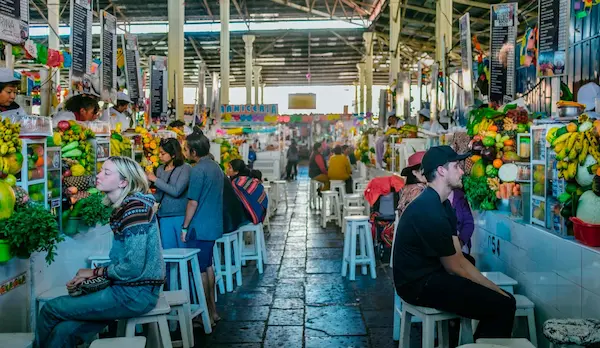
Absolutely. If you’re looking for luxury hotels and perfectly curated experiences, Cusco has plenty to offer. But if what you really want is texture, sound, smell, and authenticity, then the city’s main traditional market delivers in a way few places can. Visiting this vibrant space grounds your trip. It gives context to the dishes you’ll try later in restaurants, helps you understand the ingredients behind Andean cuisine, and connects you directly with the people who keep local traditions alive. It naturally slows you down, invites you to observe, and encourages real interaction. More importantly, it reveals a side of Cusco that no panoramic viewpoint or guided monument ever could. It’s not just another stop on your itinerary, it’s an experience that adds depth and meaning to everything else you’ll explore in the city.