Festivities in Cusco? There’s no shortage of reasons to visit Cusco, but if you happen to be here during a festival, it hits different. The whole city seems to change more music, more people in the streets, more color everywhere. It’s not just for show either. These events carry stories, traditions, and emotions that locals have passed down for generations.
Some festivals go way back to Inca times. Others started after the Spanish arrived. And a few are newer, but people here take them just as seriously. No matter when you come, chances are there’s something happening maybe a small procession, maybe a full-blown week-long celebration. Either way, it’s a good reminder that Cusco isn’t just a city with history it’s a place that’s still alive.
You may also be interested in reading: Places in the peruvian highlands
The most important festivities in Cusco
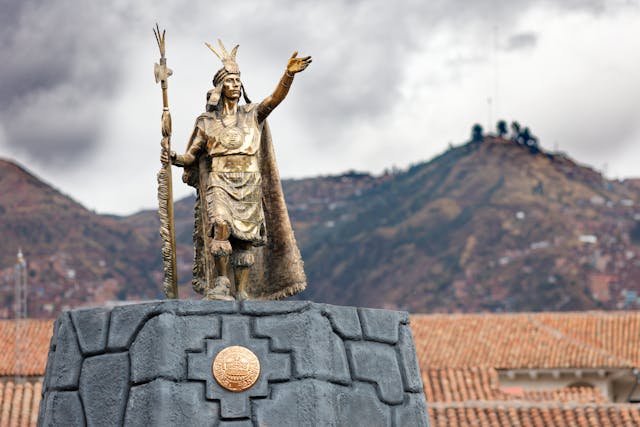
The most important festivities in Cusco showcase the city’s rich cultural heritage and vibrant traditions. Events like Inti Raymi, Corpus Christi, and Semana Santa draw locals and tourists alike, filling the streets with colorful processions, traditional music, and lively dances. Experiencing these festivities in Cusco offers a unique glimpse into the city’s history and community spirit, making them a highlight of any visit.
Inti Raymi
Every year on June 24, Cusco turns into a different city. Streets fill up early, people wear traditional clothing, and there’s a kind of energy in the air that’s hard to explain. That’s the day of Inti Raymi the Festival of the Sun and it’s one of the most powerful things you can witness here.
The day starts at Qorikancha, the old Temple of the Sun. There’s a ritual, with music and people dressed like Inca nobility. You can feel how serious it is for locals it’s not just a show. From there, the procession heads to the main square, and then up to Sacsayhuamán. That’s where the biggest part happens: dancers, speeches in Quechua, ancient songs… it really feels like time bends a little. For visitors, it’s not just an event it’s a window into how alive Cusco’s past still is.
You may also be interested in reading: Places to spend New Year: Festivities in Peru
Corpus Christi
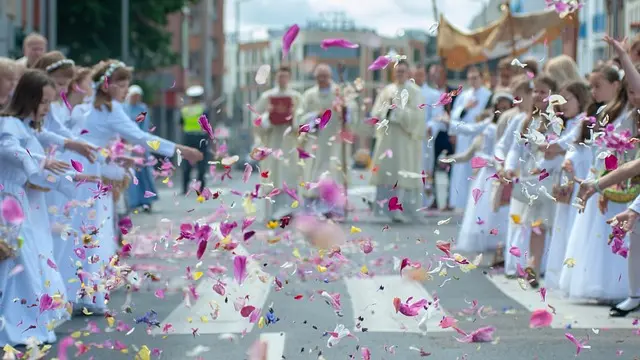
Corpus Christi in Cusco isn’t just another religious event it’s something you feel in the streets. It happens 60 days after Easter, and when the day comes, all the major saints and virgins from different churches are carried in processions toward the Cathedral. You’ll hear bands playing, see dancers in traditional clothes, and people walking alongside the images with a deep sense of respect.
It’s not only spiritual it’s festive, and very Andean too. Locals line the streets, and if you’re lucky enough to be there, you’ll get a real sense of how faith and tradition come together here. Oh, and don’t leave without trying chiriuchu. It’s a special dish they prepare just for this occasion. It’s got everything: guinea pig, dried meat, cheese, corn, even seaweed. Sounds like a mix? It is and it’s delicious.
You may also be interested in reading: The best places on the Coast: Discover the Coastal wonders of Peru
Holy Week in Cusco
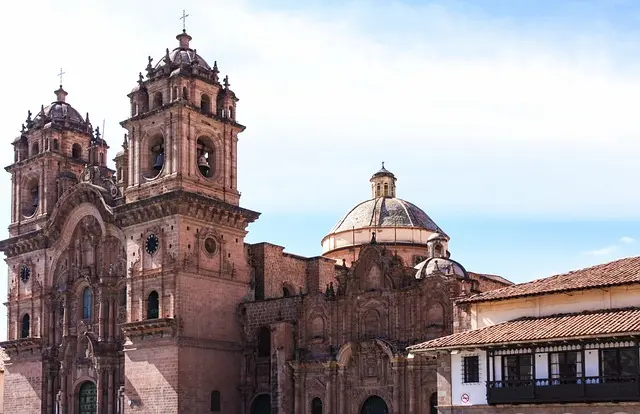
Holy Week in Cusco, celebrated between March and April, has as its main event Holy Monday, when the procession of the Lord of the Earthquakes takes place. This image, known as “Taytacha de los Temblores,” is the patron saint of Cusco, and its history dates back to the 17th century, when it was credited with protecting the city during an earthquake.
Thousands of faithful participate in this procession, adorning the Lord of the Earthquakes with red flowers made from ñucchu, a native plant symbolizing the blood of Christ. The blend of Catholic rituals with Andean elements makes this celebration one of a kind.
You may also be interested in reading: The 7 best destinations to travel to the jungle
Other notable festivals in Cusco
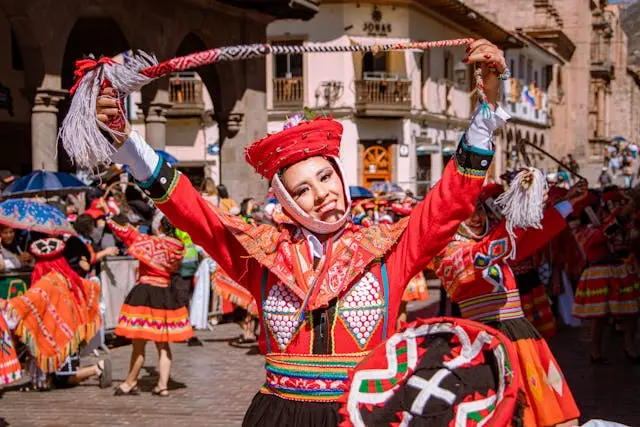
Besides the major events, there are many festivities in Cusco that highlight the city’s rich and diverse traditions. Celebrations like Qoyllur Rit’i, Corpus Christi de Cusco, and the Virgen del Carmen festival feature colorful costumes, traditional music, and lively dances that bring local communities together. Experiencing these festivities in Cusco allows visitors to connect with authentic culture and witness the vibrant spirit of the city beyond its main tourist attractions.
Cusco Carnivals
In February or March, depending on the calendar, the festivities in Cusco include vibrant carnivals that flood the streets with joy, music, and games. One of the highlights is the “yunza” or “tree-cutting,” a tradition where participants dance around a tree decorated with gifts, while others try to knock it down to distribute the presents.
The carnivals are also a great opportunity to enjoy puchero, a stew made with meat, tubers, and fruits. This festival highlights community unity and offers visitors an authentic glimpse into local customs. If you’re traveling to Cusco during these dates, you can combine the fun of the carnivals with a tour in the city, exploring more than just the festivities in Cusco including its architecture, historic squares, and bustling markets.
Santuranticuy
Santuranticuy, which translates to “Sale of Saints,” is a craft fair held on December 24 in the Plaza de Armas of Cusco. This event is part of the festivities in Cusco calendar and is perfect for those who want to buy figures for nativity scenes and other handmade items created by talented local artisans.
The fair is not only known for the quality and creativity of the products but also for its festive atmosphere, where Cusco’s music, local food, and cultural traditions play an important role, making it a must-visit during the holiday season.
You may also be interested in reading: Peruvian music: colorful rithyms
Virgin of Carmen Festival in Paucartambo
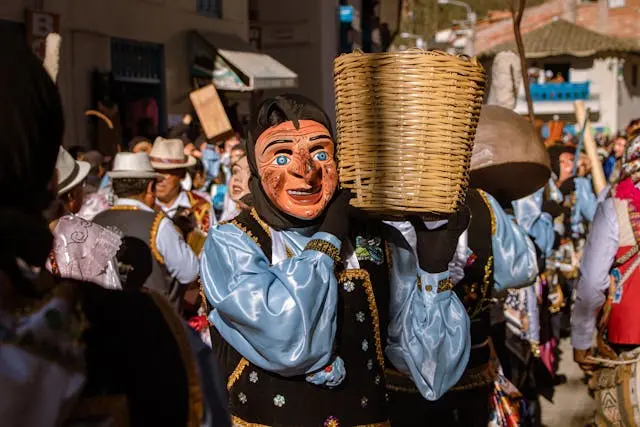
Just outside Cusco, in the town of Paucartambo, something incredible happens every July 16 during the festivities in Cusco: the Festival of the Virgin of Carmen, locally known as Mamacha Carmen. The entire town comes alive with music, colorful masks, and a joy that’s hard to describe if you haven’t seen it yourself.
One of the highlights is the dancing. You’ll see the Qhapaq Qolla, representing highland traders from colonial times, and the Saqras dancers with devilish masks who joke, tease, and bring mischief to the streets. There are processions, fireworks, and moments of deep devotion, all blended into a celebration that is as spiritual as it is theatrical. Experiencing this festival is a truly unforgettable way to connect with the culture and traditions of the region as part of the festivities in Cusco.
Festivals that showcase Cusco’s cultural richness
Not every celebration makes the headlines, but that doesn’t mean they’re any less special. Many festivities in Cusco showcase the city’s cultural richness through colorful processions, traditional dances, and local music. Events like the Qoyllur Rit’i pilgrimage, the Virgen del Carmen festival, and regional harvest celebrations offer visitors a chance to experience authentic traditions, connecting with the vibrant spirit and community life that define Cusco beyond its major tourist attractions.
All Saints’ Day (Nov 1–2)
During festivities in Cusco, families gather to honor their loved ones who’ve passed, bringing music, food, and these little bread dolls called t’antawawas. There’s roast pork, sugar figures, and a lot of heartfelt moments, making this celebration deeply meaningful and uniquely Cusco.
Cusco Anniversary (June)
As part of the festivities in Cusco, the whole city turns festive. Streets fill with parades, school bands, dancers, and cultural shows. It’s not just about remembering history it’s about living it, celebrating Cusco’s identity and heritage with energy and pride.
Lord of Qoyllur Riti (May/June)
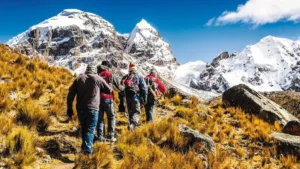
One of the most intense festivities in Cusco takes place during the Lord of Qoyllur Riti pilgrimage. Thousands hike into the mountains, braving the cold to honor a sacred image that blends Catholic and Andean beliefs. It’s emotional, spiritual, and adventurous, offering visitors a unique connection to faith, nature, and community, often as part of a journey linking Cusco to Machu Picchu.

Tips for enjoying the festivals in Cusco
If you plan to attend festivities in Cusco, it’s important to consider certain aspects of your trip, such as exploring Lima and Ica, to make the most of your experience.
Before heading straight to Cusco, most travelers land in Lima firstand honestly, that’s not a bad thing. It gives you the chance to explore more of Peru before diving into the Andes. Adding a few days in Lima and Ica can round out your trip in the best way, making your visit to the festivities in Cusco even more memorable.
Lima, also known as the “City of Kings,” is more than just a stopover. The historic downtown is full of life, the food scene is world-famous, and neighborhoods like Miraflores and Barranco are perfect for a slow afternoon walk. Whether you’re into colonial buildings or ceviche, Lima has plenty to offer before your journey continues to Cusco.
Just a few hours south of Lima, Ica feels like a completely different world of desert, sun, and sand. One of the most popular spots is Huacachina, a tiny oasis that looks like it came out of a movie. Here, you can try sandboarding or ride a buggy across the dunes. If you enjoy wine or pisco, local wineries offer tastings and tours that are as fun as they are tasty perfect preparation before experiencing the vibrant festivities in Cusco.
Book in advance
Festivals like Inti Raymi and the Virgin of Carmen pull big crowds, and everything from hotels to tickets can sell out fast. If you already have dates in mind for the festivities in Cusco, don’t wait too long to book. Planning early saves you stress and helps you secure the best spots, especially for events that only happen once a year.
Adapt your itinerary
Cusco’s weather is a bit unpredictable. It can be sunny and warm during the day, and then suddenly cold when the sun goes down. The best tip? Dress in layers. Always have sunscreen, a hat, and good shoes for walking. Also, since some festivities in Cusco include long processions or high-altitude hikes, it helps to keep your plans flexible in case you need to rest or adjust your pace.
Check the exact dates
Not every celebration happens on the same date every year. Some are tied to religious calendars or regional customs. For example, the dates for the Cusco Carnival shift depending on when Holy Week falls. The safest bet is to check with a local tour operator—they’ll know the current schedule and can help you plan your visit around the festivities in Cusco.
Respect Traditions
Being part of a local celebration is special, and it’s important to be mindful. Let the locals lead the way, don’t interrupt ceremonies, and avoid stepping into spaces that are meant for the community. A little respect goes a long way and helps preserve the authenticity of these festivals in Cusco for everyone involved. Respecting traditions ensures that your experience of the festivals in Cusco is both meaningful and memorable.
Plan Your Transportation and Meals
During festivities in Cusco, getting around can take longer than expected. Streets get crowded, and public transport fills up fast. To avoid stress, consider working with a tour operator to manage transfers. Also, don’t miss out on the local food! Try chicha de jora or tamales if you get the chance but ask locals where to eat. This is one of the best ways to enjoy the festivals in Cusco fully, without worrying about small inconveniences.
With these tips, you’ll be prepared to have an unforgettable experience while enjoying the festivals in Cusco in a responsible and authentic way. Plan what you can, leave space for the unexpected, and most importantly, let yourself be part of the moment. That’s when Peru really stays with you, and the memories of these festivals become truly unforgettable.
You may also be interested in reading: National Parks in Peru
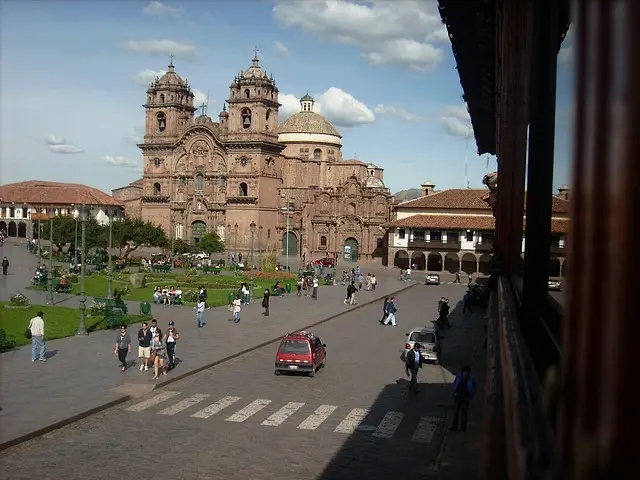
2026 Cusco Festivals Calendar
The 2026 Cusco Festivals Calendar is packed with vibrant events that highlight the city’s rich traditions. Attending these festivities in Cusco allows visitors to experience colorful processions, traditional music, and lively dances throughout the year, making it easy to plan a trip around the most memorable cultural celebrations in the city.
| Month | Festival | Approximate Date | Description |
| January | Bajada de Reyes | January 6th | Religious celebration with processions and traditional representations. |
| February | Carnavales Cusqueños | February 8-11th | A celebration filled with music, dances, and games with water and paint. |
| March | Fiesta de Señor de los Temblores | March 24th (Holy Monday) | Procession of the patron saint of Cusco during Holy Week. |
| April | Semana Santa | April 13th-20th | Religious celebrations with processions and traditional dishes like zarza. |
| May | Cruz Velacuy | May 2nd-3rd | Traditional ceremony that includes the worship and decoration of crosses. |
| June | Corpus Christi | June 19th | Procession of saints and virgins with music, dances, and typical food. |
| June | Inti Raymi | June 24th | The Festival of the Sun, a tribute to Inca culture at Sacsayhuamán. |
| July | Fiesta de la Virgen del Carmen | July 15th-18th | Traditional dances in Paucartambo and religious celebrations. |
| August | Día de la Pachamama | August 1st | Andean ritual to thank Mother Earth for her blessings. |
| September | Fiesta de la Natividad de la Virgen de Belén | September 8th | Religious celebration with processions and craft fairs. |
| October | Señor de Huanca | October 14th | Pilgrimage to San Salvador in honor of the Señor de Huanca. |
| November | Día de Todos los Santos | November 1st-2nd | Celebration with offerings to the deceased and consumption of traditional “tanta wawas.” |
| December | Santurantikuy | December 24th | Christmas fair in the Plaza de Armas, where handicrafts and decorations are sold. |
This calendar provides a comprehensive view of the festivities in Cusco during 2026, allowing visitors to plan their trip and enjoy these unique experiences.
Being in Cusco during a festival just feels different. It’s not only about what you see, it’s about what’s happening around you. People open their doors, music comes from every corner, and even if you don’t understand every part of the ceremony, you can feel that it holds deep meaning. Experiencing the festivities in Cusco allows you to connect with the city’s vibrant culture in a way that goes far beyond sightseeing.
If you’re thinking about coming, try to plan it around one of those dates. It’s not perfect or polished, but it’s real. And when it’s over, you’ll remember how it felt, not just the photos you took.
Must-See Festivals in Cusco
Cusco is a city where history, culture, and community come alive through its vibrant celebrations. The festivities in Cusco offer visitors a chance to witness centuries-old traditions, colorful costumes, and lively music, all set against the backdrop of the Andes and the city’s historic architecture. From grand Incan ceremonies to local craft fairs, these events are a window into the heart of Peruvian culture and a highlight of any trip to the region.
Inti Raymi – The Festival of the Sun
Experience the grandeur of Inti Raymi, one of the most iconic festivities in Cusco, celebrated every June 24. This Incan tradition honors the sun god with elaborate ceremonies, colorful costumes, and processions in the Sacsayhuamán ruins.
Virgin of Carmen Festival in Paucartambo
Held every July 16, this festival features vibrant dances, masks, music, and processions. Visitors can witness the Qhapaq Qolla and Saqras dancers, blending devotion with theatrical celebrations that showcase the rich local culture.
Experiencing the magic of festivities in Cusco
Cusco has an abundance of options to experience its mix of nightlife. Visitors can enjoy many different activities during their visit to Cusco, such as experiencing the traditions, music and energy of Cusco’s nightlife. It is highly encouraged to participate in the lively celebrations in Cusco; whether you choose to attend the larger festivals, such as Inti Raymi, or to take part in smaller scale local celebrations, both are great opportunities to get acquainted with the vibrant culture of Cusco. Within both of these in many cases, you will find many opportunities to connect with and experience the traditions of Cusco, meet people who embrace Cusco’s traditional ways of life, and immerse yourself in the culture of Peru. Plan on scheduling your trip around one of these types of events. Doing so will allow you to enhance and enhance your travel experience while also providing you with memorable travel experiences that go well beyond just seeing the sights while you are in Cusco.
By attending festivities in Cusco, you will have the chance to gain a deeper insight into the cultural history of Cusco and her people via participation in these festivities. Your experience at this event also includes dancing to traditional music, viewing the colour, pageantry and excitement of the vibrant processions and eventually reveling in the overall atmosphere of these events.