Lima is often described as the gastronomic capital of South America, but the city has another side that many travelers only discover once they start exploring its cultural spaces. The Peruvian capital is home to some of the most fascinating museums in South America, places where thousands of years of history are preserved through ceramics, textiles, art, and archaeological discoveries.
From ancient pre-Columbian civilizations to colonial heritage and contemporary art, the museums in Lima provide a deep and engaging journey through Peru’s cultural identity. These institutions are not only about displaying objects behind glass; they tell the story of a country shaped by diverse civilizations, traditions, and historical moments.
Visiting the best museums in Lima allows travelers to understand the context behind many of the country’s most famous archaeological sites, including Machu Picchu, the Nazca Lines, and the ancient coastal civilizations that thrived long before the Inca Empire.
In this guide, you will discover fifteen of the most important museums in Lima, each offering a unique perspective on Peru’s history, art, and traditions. Whether you are passionate about archaeology, colonial art, or contemporary creativity, these cultural institutions will add depth and meaning to your visit to the Peruvian capital.
Discover the 15 Best Museums in Lima
Lima is not only Peru’s capital but also one of the most important cultural centers in South America. Throughout the city, travelers can find an impressive variety of museums that preserve thousands of years of history, art, and traditions. From ancient pre-Columbian civilizations to colonial heritage and contemporary artistic expressions, the museums in Lima offer a unique opportunity to explore the cultural foundations of the country.
Visiting these museums allows travelers to better understand how different civilizations shaped Peru long before the rise of the Inca Empire. Ceramics, textiles, sculptures, and archaeological discoveries tell the stories of societies that developed sophisticated technologies, complex belief systems, and remarkable artistic traditions.
Below, you’ll find a carefully selected list of 15 museums in Lima that every traveler should consider visiting. Each one offers a different perspective on Peruvian history, making them essential stops for anyone interested in culture, archaeology, and art.
Maybe you’ve been interested in: Treatment for altitude sickness 2026
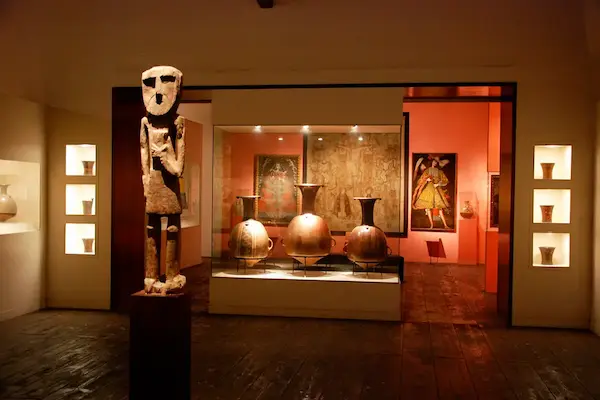
1. Larco Museum
Among all the museums in Lima, the Larco Museum is arguably the most famous and widely recommended for international visitors.
Located in the district of Pueblo Libre, the museum occupies an elegant 18th-century colonial mansion built on top of a pre-Columbian pyramid. Inside, it houses one of the most impressive collections of ancient Peruvian art in the world.
The museum displays more than 45,000 artifacts from civilizations that existed thousands of years before the Inca Empire, including the Moche, Nazca, Chimú, and Cupisnique cultures.
Highlights include:
- Exquisite gold and silver ornaments
- Intricate ceramic vessels
- Beautifully preserved textiles
- A unique gallery dedicated to ancient erotic ceramics
One of the most fascinating aspects of the Larco Museum is that visitors can also access the museum’s storage area, where thousands of cataloged artifacts are organized on open shelves.
For travelers interested in culture, including this museum in your itinerary is almost essential when exploring the best museums in Lima.
2. National Museum of Archaeology, Anthropology and History of Peru
This historic institution is considered the oldest and most comprehensive museum in the country. It offers a broad overview of Peru’s cultural evolution from ancient civilizations to the republican era.
Located in Pueblo Libre, the museum features extensive collections of:
- Pre-Hispanic ceramics
- Colonial paintings
- Historical documents
- Sculptures and archaeological artifacts
One of the most important pieces displayed here is the Tello Obelisk, a stone monument linked to the Chavín civilization.
For travelers who want a deeper understanding of Peru’s past, this museum is one of the most educational museums in Lima.
3. Museum of Italian Art
The Museum of Italian Art is unique among the museums in Lima because it focuses entirely on European artistic heritage.
This museum was a gift from the Italian community to Peru in the early 20th century and showcases paintings, sculptures, and decorative art created by Italian artists.
The building itself is also worth admiring, designed in a neo-Renaissance style that reflects classical European architecture.
Although smaller than other institutions in Lima, it offers a refreshing cultural contrast and highlights the influence of European immigrants in Peru.
4. Lima Art Museum (MALI)
Located in the historic Palacio de la Exposición, the Lima Art Museum known locally as MALI is one of the most dynamic museums in Lima.
Its permanent collection covers nearly 3,000 years of artistic production in Peru, from pre-Columbian artifacts to contemporary installations.
Visitors can explore several galleries dedicated to:
- Ancient Andean cultures
- Colonial religious art
- Republican-era paintings
- Modern Peruvian art
MALI also hosts temporary exhibitions, educational workshops, and cultural events, making it one of the most active cultural institutions in the city.
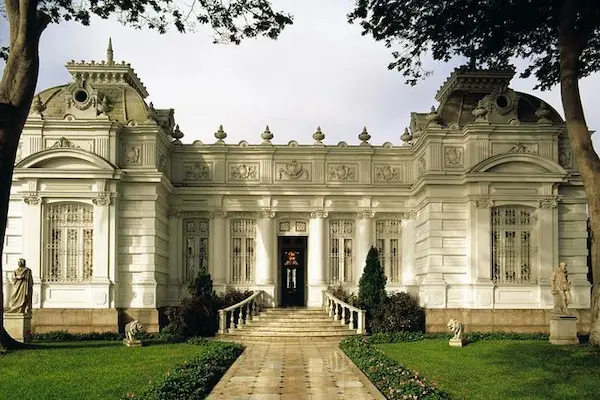
5. Pedro de Osma Museum
Located in the bohemian district of Barranco, the Pedro de Osma Museum specializes in colonial art from the Viceroyalty of Peru.
The museum is housed in a beautiful early-20th-century mansion surrounded by lush gardens. Inside, visitors can admire an impressive collection of:
- Religious paintings
- Sculptures
- Silver artifacts
- Colonial furniture
Many works belong to the famous Cusco School of Art, a distinctive artistic movement that combined Spanish techniques with indigenous symbolism.
Among the many museums in Lima, this one stands out for its elegant atmosphere and refined collection.
Maybe you’ve been interested in: 20 best beaches of Peru in 2026
6. Museum of the Nation
The Museum of the Nation once served as one of the largest museums in Lima, dedicated to presenting the historical development of Peruvian civilization.
Although its exhibitions have evolved over time, the museum has hosted large archaeological displays and thematic exhibitions related to Peru’s cultural heritage.
It has also been used for major national cultural events and temporary exhibitions.
7. Gold Museum of Peru
The Gold Museum of Peru is one of the most intriguing museums in Lima, especially for visitors fascinated by ancient treasures.
Its collection includes:
- Pre-Columbian gold jewelry
- Ceremonial masks
- Precious ornaments used by ancient elites
The museum also contains an unexpected but interesting collection of historic weapons from around the world.
Although some pieces have generated debate among historians, the museum remains a fascinating stop for those exploring the diversity of museums in Lima.
8. Amano Museum
The Amano Museum focuses on the remarkable textile traditions of ancient Peru.
Founded by Japanese businessman Yoshitaro Amano, the museum houses one of the most important collections of pre-Columbian textiles.
Ancient Peruvian cultures were among the most advanced textile producers in the ancient world, using sophisticated weaving techniques and natural dyes.
Among the museums in Lima, this one is particularly appreciated by visitors interested in anthropology and craftsmanship.
9. National Museum of Afro-Peruvian Culture
This museum highlights the cultural contributions of Afro-Peruvian communities throughout history.
Through photographs, music recordings, historical documents, and interactive exhibits, visitors can learn about the traditions, struggles, and artistic legacy of Afro-Peruvian culture.
It is one of the most meaningful museums in Lima, offering an important perspective on cultural diversity in Peru.
10. Place of Memory, Tolerance and Social Inclusion (LUM)
The Place of Memory commonly known as LUM is a modern museum dedicated to reflecting on Peru’s recent history, particularly the period of internal conflict between 1980 and 2000.
Through multimedia exhibits, personal testimonies, and historical documentation, the museum encourages reflection and dialogue about human rights and reconciliation.
Among the contemporary museums in Lima, LUM stands out for its emotional and educational impact.
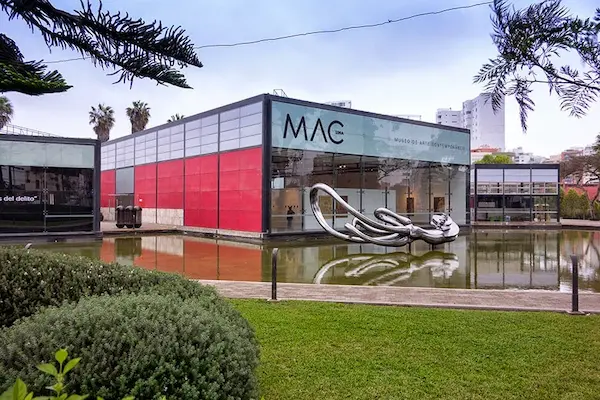
11. Museum of Contemporary Art (MAC Lima)
Located in Barranco, MAC Lima focuses on modern and contemporary artistic expression.
The museum hosts exhibitions featuring both Peruvian and international artists working in various mediums, including painting, sculpture, photography, and digital art.
Its modern architecture and outdoor sculpture garden create a vibrant cultural environment.
For those interested in modern creativity, this is one of the most exciting museums in Lima to explore.
Maybe you’ve been interested in: San Pedro market Cusco: what to see, eat & buy
12. Bodega y Quadra Museum
Situated near Lima’s historic Plaza Mayor, this museum preserves archaeological remains discovered during excavations in the historic center.
Visitors can see the foundations of colonial buildings as well as artifacts that reveal how Lima evolved from a pre-Hispanic settlement into the capital of the Spanish viceroyalty.
Among historical museums in Lima, this one offers a unique combination of archaeology and colonial history.
13. National Postal and Philatelic Museum
This small but charming museum explores the history of postal services in Peru.
Visitors can see antique mailboxes, historic stamps, old communication technologies, and documents related to the development of postal systems.
It is one of the lesser-known museums in Lima, but it offers an interesting niche perspective on communication history.
14. Andrés del Castillo Mineral Museum
This museum is dedicated to Peru’s extraordinary mineral wealth.
Peru is one of the world’s leading producers of precious metals and minerals, and the museum displays spectacular examples of:
- Gold
- Silver
- Quartz
- Rare gemstones
The collection also includes pre-Columbian gold artifacts, connecting natural resources with ancient craftsmanship.
15. Pachacamac Site Museum
Located next to the famous Pachacamac archaeological complex, this museum explains the significance of one of the most important religious centers on the Peruvian coast.
Through artifacts discovered at the site, visitors can learn about the cultures that worshiped the deity Pachacamac for centuries before the arrival of the Spanish.
For travelers planning to explore nearby ruins, this is one of the most valuable museums in Lima to visit first.
Why Museums in Lima Are Essential for Understanding Peru?
Many travelers come to Peru with one iconic destination in mind: Machu Picchu. While visiting this famous site is unforgettable, the truth is that Peru’s history began thousands of years before the Inca Empire. That’s exactly why exploring the museums in Lima is such an important first step for travelers interested in understanding the country beyond its most famous landmark.
Visiting the museums in Lima allows travelers to discover the civilizations that shaped Peru long before the Incas. Through ceramics, textiles, sculptures, and ritual objects, these museums reveal the creativity and sophistication of ancient Andean societies.
What You Can Learn in the Museums in Lima
The museums in Lima offer valuable insights into the cultures that defined ancient Peru. Visitors can explore:
- Advanced irrigation systems used in desert regions
- Religious beliefs and ceremonial traditions
- Ancient agricultural practices and food systems
- Textile techniques considered among the most complex in the ancient world
- Artistic expressions reflected in ceramics and metalwork
Many exhibits highlight civilizations such as the Moche civilization, the Nazca civilization, and the Chimú civilization. These cultures developed sophisticated societies centuries before the rise of the Inca Empire.
Why Visit Museums in Lima Before Traveling Around Peru
Travel experts often suggest starting your journey in the capital because the museums in Lima provide historical context for the rest of the country. Once you understand the stories behind the artifacts, visiting archaeological sites becomes a much richer experience.
Here’s why many travelers begin their cultural journey in Lima:
| Benefit | Why It Matters |
|---|---|
| Historical context | You understand the cultures behind Peru’s archaeological sites |
| Cultural perspective | Museums explain traditions that still influence modern Peru |
| Better travel experience | Visiting ruins becomes more meaningful after learning their history |
| Educational value | Exhibits explain ancient technology, art, and belief systems |
Organizations focused on cultural travel, such as magic experiences peru, often recommend including at least one or two of the most important museums in Lima before heading to other regions of the country.
Museums Connect the Past With the Present
One of the most fascinating aspects of the museums in Lima is how they connect ancient civilizations with modern Peruvian culture. Traditions related to agriculture, textiles, cuisine, and spiritual beliefs can still be seen in many communities today.
By the time travelers leave these museums, they no longer see Peru only as the home of Machu Picchu. Instead, they begin to understand a much larger story one that includes thousands of years of innovation, resilience, and cultural diversity.
Maybe you’ve been interested in: Spring break destinations 2026: Top 20
Museums in Lima and Cultural Tourism
Cultural tourism in Peru continues to grow as more travelers look for experiences that go beyond traditional sightseeing. Museums play a key role in this trend because they help visitors understand the traditions, history, and cultural influences that shape the country today. A visit to these cultural institutions offers context that makes every other experience in Peru—whether historical, culinary, or architectural much more meaningful.
For many travelers, museums become the starting point for discovering the deeper identity of the Peruvian capital and the civilizations that existed long before modern Lima was founded.
How Museums Enhance Cultural Travel
Museums help travelers connect different aspects of Peruvian culture. Instead of seeing history, food, and architecture as separate experiences, visitors begin to understand how everything is connected.
Some of the cultural elements travelers often discover include:
- Ancient agricultural knowledge that shaped traditional cuisine
- Religious beliefs and mythology of Andean civilizations
- Artistic traditions reflected in ceramics, textiles, and metalwork
- Colonial influences that shaped architecture and urban design
- The evolution of Peruvian identity from ancient cultures to modern society
These insights transform a typical sightseeing trip into a deeper cultural journey.
The Link Between History and Peruvian Cuisine
Many travelers interested in gastronomic travel are surprised to learn that Peru’s world-famous cuisine has roots that go back thousands of years. Ingredients used in traditional dishes were already cultivated by ancient civilizations across the Andes and coastal valleys.
| Ancient Ingredient | Cultural Importance | Present-Day Use |
|---|---|---|
| Corn | Sacred crop in many Andean cultures | Tamales, chicha, traditional dishes |
| Potatoes | First domesticated in the Andes | Hundreds of varieties used in Peruvian cuisine |
| Quinoa | Nutrient-rich crop used by ancient societies | Modern superfood used in many recipes |
| Chili peppers | Essential flavor in pre-Hispanic cooking | Base of many Peruvian sauces |
Learning about these ingredients through museum exhibits helps travelers better appreciate the food they later try in restaurants and markets.
Combining Museums with City Exploration
Another reason museums are popular among cultural travelers is that they pair perfectly with guided city experiences. Many visitors combine museum visits with lima tours, which often include:
- The historic center and colonial plazas
- Traditional neighborhoods like Barranco
- Churches and architectural landmarks
- Local markets and cultural districts
Seeing artifacts and learning historical context beforehand helps visitors recognize cultural influences throughout the city.
A Great Experience for Families
Museums can also be a highlight for travelers exploring the country with children. Many institutions include visual displays, storytelling elements, and interactive exhibits that make history accessible for younger audiences.
Families often appreciate museum visits because they offer:
- Educational experiences in a relaxed environment
- Visual storytelling that keeps children engaged
- Opportunities to learn about ancient civilizations together
- Cultural activities that complement other travel experiences
For this reason, visiting museums is often recommended as part of Family Travel to Peru, especially for families interested in history, culture, and learning during their trip.
Conclusion
Exploring the museums in Lima is one of the best ways to truly understand the depth and diversity of Peruvian culture. These institutions preserve thousands of years of history, from the earliest coastal civilizations to contemporary artistic movements.
Each museum offers a different perspective: some focus on ancient ceramics and textiles, others highlight colonial art, while modern institutions explore social history and contemporary creativity.
For travelers willing to go beyond the typical tourist attractions, the museums in Lima reveal the cultural foundations that shaped one of the most fascinating countries in South America.
Personally, I believe that spending time in these museums transforms the way you see Peru. After learning about the ingenuity of ancient civilizations and the layers of history that define the country, every archaeological site and cultural tradition feels more meaningful.
If you’re planning a trip to the Peruvian capital, take the time to visit at least a few of these museums in Lima. They are not just places filled with artifacts; they are gateways to understanding the stories, traditions, and identities that continue to shape Peru today.