
The rhythms of Peruvian music are truly for everyone: from the graceful elegance of the marinera, with its sweeping movements and refined style, to the spirited and energetic beats of huayno, each style offers a unique journey through emotions and history. Peruvian music doesn’t just entertain—it resonates with our collective experiences, connecting us deeply with emotions that are woven into the fabric of our culture and way of life.
These songs are lively and heartfelt, and they reflect the joy, struggles, and stories of our people. For Peruvians, music is more than just a sound; it’s a piece of identity that transcends generations. There’s an undeniable sense of pride in every note and rhythm, whether it’s the tapping of a cajón, the gentle strumming of a guitar, or the lively melodies of traditional Andean instruments like the charango and quena.
Anyone who has been far away from Peru and hears a sweet, nostalgic waltz or a melancholic Peruvian ballad knows the feeling—they’re instantly transported to our beloved homeland. Memories of family gatherings, traditional festivals, and scenes of vibrant landscapes come rushing back with each familiar melody. In this exploration, we dive deeper into the unique rhythms of Peruvian music, celebrating the heritage and traditions that continue to keep our culture alive and thriving.
You might be interested in reading this: National Parks in Peru

Types of Music
As mentioned before, the music carries various connotations that transport us to specific moments.
These genres are generally a convergence of cultural blends. Thus, there is option for every taste. Among the genres that are distinctly Peruvian, we can mention the huayno, originating in the Peruvian highlands with Andean instruments; the marinera, elegant and rhythmic music accompanied by a pair of dancers. The Peruvian waltz, born in the Viceroyalty and still present today as Creole music; chicha, an incredible blend of huayno, psychedelic rock, and guarachera cumbia; festejo, known for its Afro-Peruvian rhythms and the use of instruments like the Peruvian cajón; and finally, tondero, a northern Creole genre.
You might be interested in reading this: The best places on the Coast: Discover the Coastal wonders of Peru
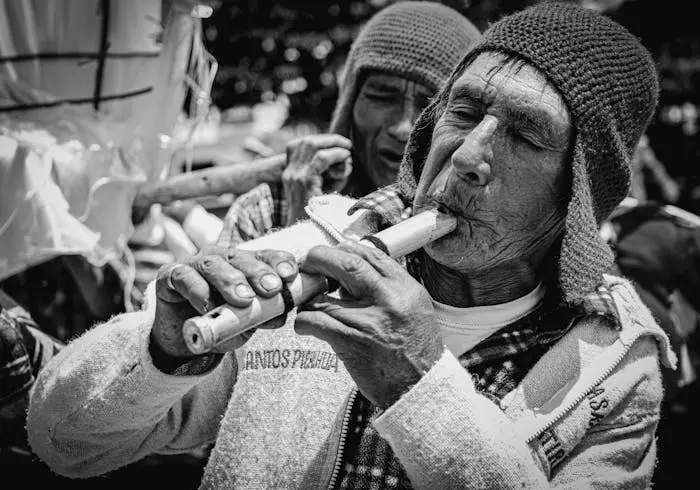
Andean Rhythms
Andean music captures the spirit of the highlands with a unique, often melancholic quality that resonates deeply with the feelings and stories of its people. Through catchy and repetitive rhythms, this music serves as a powerful medium for emotional expression, reflecting both the beauty and the struggles of life in the Andean region. The melodies and harmonies transport listeners to the mountains, where the slow pace of life and the breathtaking landscapes leave a mark on the soul. Visit Cusco and visit Puno to immerse yourself in the heart of Andean culture and music.
At the heart of Andean music is a blend of traditional indigenous sounds and European influences, creating a rich, layered musical experience. Instruments like the charango, a small, high-pitched string instrument; the quena, an Andean flute; the harp; and the zampoña, a traditional pan flute, are essential to the Andean sound. Each instrument brings a distinct texture to the music, weaving together to produce melodies that are both uplifting and contemplative. The songs are often deeply symbolic, representing the hardships, joys, and profound connection to nature that defines Andean life.
You might be interested in reading this: The 7 best destinations to travel to the jungle
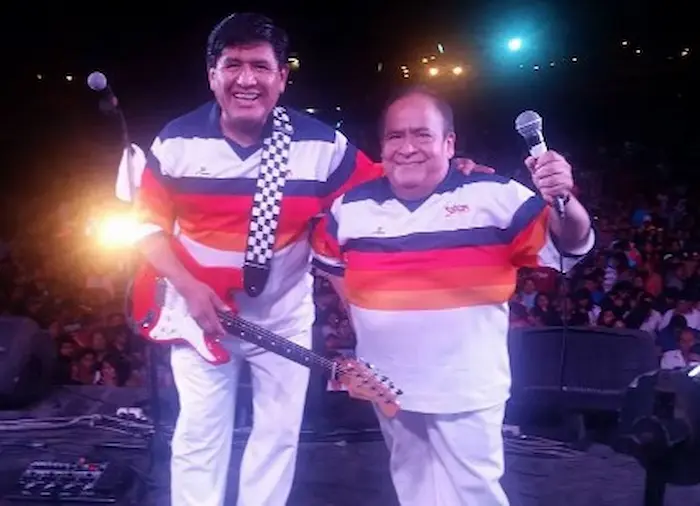
Peruvian Music: Chicha Music
Chicha music is a vibrant genre with roots in a period of significant social change in Peru. Originating during the migration era when people moved from the Andean highlands to the coastal cities, chicha music emerged as a fusion of traditional Andean melodies and the more contemporary sounds of cumbia. This genre became an anthem for those adapting to new lives in urban areas while keeping their cultural identity intact. The lyrics often speak to the emotional complexities of migration, as reflected in lines like:
“…and in that poverty, how happy I was, wind, return to be like yesterday to feel the beginning of my life, the beginning of my story.”
Chicha music combines catchy guitar riffs with synthesizers and rhythms that invite listeners to dance, but its themes often delve into nostalgia, love, and resilience. This fusion genre continues to thrive, and today, it holds a special place in the hearts of many Peruvians, serving as a reminder of their roots and the sacrifices made by previous generations.
You might be interested in reading this: Andean Milky Way

Cumbia
No conversation about Peruvian music would be complete without mentioning cumbia—a lively genre synonymous with celebrations, joy, and community. Cumbia has Afro-Peruvian roots and is known for its infectious rhythm, making it a staple at parties and social gatherings across the country. Peruvian cumbia has evolved uniquely, incorporating elements from salsa, rock, and pop, creating a genre that is unmistakably Peruvian.
Groups like Agua Marina, Grupo 5, and Armonía 10 are some of the most iconic representatives of Peruvian cumbia, bringing a distinct sound that resonates both locally and internationally. Their songs often tell stories of love, heartbreak, and daily life, capturing the essence of Peruvian culture. Whether you’re in a bustling city or a remote village, the sounds of cumbia have a way of bringing people together, fostering a sense of unity and joy.
You might be interested in reading this: Archeological sites in Cusco

Peruvian Salsa
While salsa is often associated with places like Cuba or Colombia, Peru has also carved out a unique space in the salsa world. Peruvian salsa is a lively genre influenced by Cuban rhythms but also enriched by elements from Peruvian cumbia and local styles. This fusion gives Peruvian salsa a distinct flavor, blending traditional Latin beats with the unique sounds of Peru’s popular music.
Over the years, Peruvian salsa has grown in popularity, with local bands and artists adding their own twists to the genre. It’s common to hear salsa tunes that incorporate cumbia melodies, making them instantly recognizable as Peruvian. Today, salsa has become an integral part of Peru’s music scene, enjoyed at parties, festivals, and everyday gatherings, reflecting the country’s openness to blending diverse musical influences into something truly original.
Peruvian music, in all its forms, paints a vivid picture of the nation’s cultural richness and diversity. Each genre tells a story, weaving together influences from indigenous, African, and European traditions. Whether you’re swaying to the Andean rhythms, dancing to chicha, enjoying a lively cumbia, or grooving to Peruvian salsa, each beat is a testament to Peru’s vibrant cultural heritage.
You might be interested in reading this: Meditation in the andes

Peruvian Rock
Peruvian rock has been a powerful voice for change and resilience, especially during the tumultuous era of terrorism in Peru. Through this genre, many young people found a way to express their frustrations, voice their concerns, and shed light on the social issues affecting their communities. Peruvian rock became an outlet for protest, giving rise to songs that captured the struggles of a generation and encouraged others to seek a better future.
Clear examples of Peruvian rock bands that embody this spirit include Cuchillazo, known for its raw and powerful lyrics; Los Mojarras, who blend traditional Peruvian sounds with rock to tell stories of the Peruvian experience; and Nosequién y Los Nosecuantos, a band that has used humor and satire to address political and social issues. These bands are not only emblematic of Peruvian rock but also serve as a reminder of the resilience and strength of the Peruvian people.
You might be interested in reading this: Passport information: Travel Guide

Peruvian Creole Music
Peruvian creole music, deeply influenced by Afro-Peruvian culture, is known for its lively dances, traditional clothing, and vibrant celebrations, especially in warm regions like Chincha, Ica, and Lima. This genre celebrates the joy of community gatherings and the spirit of unity through music, often played with instruments like the cajón (a wooden box drum) and guitar.
Creole music captures the essence of Afro-Peruvian culture, with rhythms that invite people to dance and celebrate life. The beats of the cajón and the melodies of the guitar create an atmosphere of joy, perfect for family and community gatherings. In cities like Lima, creole music is celebrated as part of the cultural heritage, and events like Fiestas Patrias (Independence Day) often feature creole music as a centerpiece of the festivities.
Peruvian Music: Its Importance
Peruvian music is more than entertainment; it is a symbol of national pride and cultural identity. It plays a crucial role in events that showcase and elevate Peru’s name on the global stage. Festivals such as the International Cumbia Festival in Lima and the Huayno Festival in Ayacucho bring people together from all over the world, recognizing the depth and beauty of Peruvian music and its impact.
Prominent artists like Gianmarco, who has earned international acclaim for his songwriting and performances, and Eva Ayllón, a beloved figure in creole music, have become cultural ambassadors, spreading the joy and richness of Peruvian music worldwide. In the past, icons like Yma Súmac—known for her extraordinary vocal range and unique style—represented Peru on an international level, leaving a lasting impact on global music culture.
Peruvian Music: Learning to Play
For visitors to Peru, experiencing live performances of traditional music is a highlight, offering an authentic glimpse into the country’s vibrant culture. Many local restaurants and cultural centers not only showcase Peruvian music but also offer interactive opportunities for tourists to learn to play traditional instruments. These activities create memorable experiences, especially for those on extended stays in regions like Cusco or Lima.
Learning to play instruments like the charango (a small guitar-like instrument), the quena (a traditional Andean flute), or the cajón provides a deeper understanding of Peruvian music. Some establishments offer classes on percussion, dance lessons, and even in-depth workshops on the cultural significance of these instruments. The sounds of Peruvian creole music, which incorporate everything from traditional Andean instruments to modern ones like drums and cymbals, reveal a unique blend that showcases Peru’s rich cultural fusion.
Each genre of Peruvian music is distinct, carrying its own rhythm, style, and cultural meaning. These genres aren’t just sounds—they tell stories, embody traditions, and invite listeners to explore the cultural heritage of Peru.
You might be interested in reading this: 15 best things to do in Peru

Notable Singers: Peruvian Creole Music
To fully appreciate Peruvian creole music, one must experience it through the work of artists who have dedicated their lives to preserving and sharing this genre. Peru has produced remarkable figures in creole music, each of whom has contributed to its global recognition and influence.
- Chabuca Granda: A legendary figure in Peruvian creole music, Chabuca Granda’s songs capture the essence of Peruvian life and culture. Her works, like the iconic La Flor de la Canela, have become cultural treasures that continue to be celebrated.
- Eva Ayllón: Known as the queen of Afro-Peruvian music, Eva Ayllón has brought Peruvian music to audiences around the world. Her powerful voice and deep connection to the music have made her a beloved figure both in Peru and internationally.
- Yma Súmac: Famous for her unique vocal range, Yma Súmac was an international sensation and a proud representative of Peruvian culture. Her talent brought Andean sounds to audiences worldwide, leaving a lasting legacy.
- Pepe Vásquez: A celebrated composer and performer, Pepe Vásquez is known for his contributions to Andean and creole music. His songs resonate with themes of resilience and pride, making him a beloved figure in Peruvian popular music.
- Susana Baca: An acclaimed Afro-Peruvian singer, Susana Baca is recognized globally for her contributions to Afro-Peruvian music. She has been instrumental in preserving and sharing this genre with international audiences, making Afro-Peruvian music an integral part of world music.
The brief list showcases talented artists who have not only elevated Peru’s name internationally but also contributed to preserving the tradition of Peruvian folk music, keeping this form of artistic and cultural expression alive.