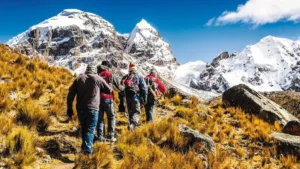
When planning your trip to Peru in the year 2026 be sure how to prepare for high altitude travel (over 3000 meters/9,800 feet) as soon as your plane lands, especially when arriving directly into cities such as Cusco or Puno. This is the initial moment that your body will start experiencing the effects of altitude. The way your body adjusts will greatly impact your experience during your trip.
Peru is one of the few countries worldwide that includes a concentration of high altitude destinations. All of Peru’s ancient Inca sites, turquoise glacier colour lakes and grandiose mountain ranges are located above 3000 meters, so for everyone visiting Peru there are once-in-a-lifetime travel experiences. Preparing properly for high-altitude travel is not only for enjoyment but also to ensure the successful, safe, and comfortable completion of your travel journey.
This guide has been prepared as a practical travel planning tool for those who wish to have real life expectations and limitations and be prepared for their trip. Using this guide will help you to plan and create your high altitude itinerary based on “real-world” conditions, plans and itineraries that allow for proper acclimatisation and views of Peru’s incredible high-altitude regions.
Maybe you’ve been interested in: Family Travel to Peru: Safe Routes, Best Tours and Kid-Friendly Spots

Why altitude matters when traveling in Peru
Altitude affects everyone differently. Some people feel mild discomfort, while others struggle significantly. That’s why understanding how to prepare for high altitude travel in Peru can make the difference between an unforgettable adventure and a trip spent recovering in bed.
At higher elevations, the air contains less oxygen. Your body has to work harder to adapt, especially if you’re arriving from sea level. Cities like Cusco sit at around 3,400 meters, while many hikes go even higher.
Ignoring altitude is one of the most common travel mistakes in Peru. Taking it seriously, on the other hand, allows you to enjoy landscapes, culture, and experiences without unnecessary setbacks.
How to Prepare for High Altitude Travel Before Arriving in Peru
Preparation starts long before your flight lands in Peru. One of the biggest myths about altitude sickness is that it depends only on luck. In reality, there are several steps you can take ahead of time to help your body adapt more easily and increase your chances of a smooth adjustment once you reach the Andes.
Understanding how to prepare for high altitude travel allows you to arrive with confidence, reduce discomfort, and fully enjoy your trekking or travel experience in Peru.
Physical Preparation and Fitness Level
You don’t need to be an elite athlete to handle high altitude, but improving your cardiovascular fitness can make a real difference. Activities such as walking, hiking, cycling, or swimming help strengthen your heart and lungs, which is especially helpful when learning how to prepare for high altitude environments.
Consistency matters more than intensity. Regular, moderate exercise in the weeks or months leading up to your trip helps your body become more efficient with oxygen, making the transition to higher elevations easier once you arrive.
Medical Checkups and Preventive Care
Before traveling, it’s wise to consult a healthcare professional, especially if you have pre-existing medical conditions. A doctor can advise you on altitude-related risks, possible medications, and whether preventive treatments are appropriate for you.
Knowing how to prepare for high altitude travel also means understanding your own limits. If you’ve experienced altitude sickness in the past, proper medical guidance becomes even more important to ensure a safe and enjoyable trip.
Mental Preparation for High Altitude Environments
Altitude doesn’t only affect the body it can also influence mood, sleep quality, and energy levels. Being mentally prepared helps you stay calm and make better decisions if mild symptoms appear.
Travelers who understand how to prepare for high altitude travel tend to be more patient with themselves, allowing their bodies the time they need to adapt. This mindset often leads to a more positive experience and a deeper appreciation of Peru’s breathtaking high altitude landscapes.
Maybe you’ve been interested in: Top 10 bucket list treks in 2026
How to Prepare for High Altitude Travel Once You Arrive in Peru
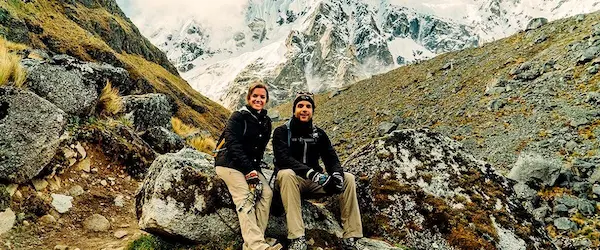
What you do during your first few days in Peru plays a huge role in how your body adapts to high altitude. Many travelers underestimate this phase, but it’s often where altitude related issues either begin or are avoided entirely. Giving your body time to adjust is essential, especially if you plan to visit destinations like Cusco, the Sacred Valley, or embark on multi-day trekking tours.
One of the smartest ways to support acclimatization is to take things slowly at the beginning. Light activities, short walks, and relaxed sightseeing allow your body to adapt naturally to lower oxygen levels. Staying well hydrated, eating light meals, and avoiding alcohol during the first days also make a noticeable difference. These simple habits are core principles of how to prepare for high altitude travel and are widely recommended by locals and experienced guides.
Understanding how to prepare for high altitude travel once you arrive helps you listen to your body and recognize its limits. By prioritizing rest and gradual adaptation early on, you reduce the risk of altitude sickness and create the conditions for a safer, more enjoyable journey through Peru’s high-altitude landscapes.
Proper Acclimatization Strategies
The golden rule when learning how to prepare for high altitude travel is simple: go slow. Avoid strenuous activities during your first 24 to 48 hours at elevation. Even if you feel fine initially, your body is still adjusting to lower oxygen levels.
Choose gentle walks, light sightseeing, and low-effort activities during this period. If possible, start your journey in a lower-altitude area, such as the Sacred Valley, before heading to higher cities like Cusco. Gradual ascent allows your body to adapt naturally and reduces the risk of altitude sickness.
Hydration and Nutrition at High Altitude
Hydration becomes even more important at altitude. Due to increased breathing and dry air, your body loses fluids more quickly. Drinking water regularly throughout the day helps maintain proper oxygen circulation and can significantly reduce symptoms like headaches, dizziness, and fatigue.
Nutrition also plays a key role in how to prepare for high altitude travel. Carbohydrate-rich meals are easier to digest and provide quick energy, which is why local diets often emphasize foods like potatoes, rice, quinoa, and soups. Light, balanced meals are preferable during your first days, helping your body focus on acclimatization rather than heavy digestion.
Sleep and Rest Recommendations
Sleep patterns often change at altitude, especially during the first few nights. It’s common to experience lighter sleep or wake up more frequently. Elevating your head slightly, staying warm, and avoiding alcohol or heavy meals before bedtime can improve sleep quality.
Rest is not a luxury at altitude it’s a necessity. Listening to your body and allowing extra downtime is a fundamental part of understanding how to prepare for high altitude conditions effectively. Proper rest helps your body recover, adapt, and prepare for more demanding activities such as hiking or trekking in the days ahead.
Common Symptoms of Altitude Sickness and How to Manage Them
Even with proper preparation, altitude sickness can still affect some travelers. The key to staying safe is recognizing symptoms early and responding appropriately before they worsen. Understanding how your body reacts at high altitude allows you to take quick action and continue your journey with confidence, especially when you know how to prepare for high altitude travel in advance.
Mild symptoms are the most common and often appear within the first 12–24 hours after arrival. These may include headaches, fatigue, shortness of breath during light activity, dizziness, or difficulty sleeping. In most cases, these symptoms can be managed with rest, proper hydration, light meals, and avoiding strenuous activity. Travelers who understand how to prepare for high altitude travel are better equipped to manage these early signs without stress.
More severe symptoms, such as persistent nausea, vomiting, intense headaches, confusion, or loss of coordination, should never be ignored. These are warning signs that your body is not adapting properly and needs immediate attention. Descending to a lower altitude and seeking medical assistance is essential. Knowing how to prepare for high altitude travel also means recognizing when to stop, rest, or change plans to protect your health and ensure a safe experience in the Andes.
Mild Symptoms
Mild symptoms are the most common during the first days at high altitude and usually appear within the first 6 to 24 hours. These may include:
- Headache
- Fatigue or unusual tiredness
- Shortness of breath during light activity
- Light dizziness or difficulty concentrating
In most cases, these symptoms can be managed with rest, proper hydration, and allowing your body time to acclimatize. Avoid intense physical activity, drink plenty of water, and eat light meals. Knowing how to prepare for high altitude travel helps you stay calm and recognize that mild discomfort is often part of the natural adjustment process.
Moderate to Severe Symptoms
Moderate to severe symptoms are less common but far more serious and should never be ignored. These may include:
- Persistent nausea
- Vomiting
- Severe or worsening headaches
- Confusion, disorientation, or loss of coordination
If any of these symptoms appear, immediate action is required. Descending to a lower altitude is the most effective response, and seeking medical attention as soon as possible is essential. Continuing to ascend or ignoring these warning signs can lead to serious health risks.
Being informed and attentive to your body is a crucial part of understanding how to prepare for high altitude travel and ensuring a safe and enjoyable experience in Peru’s high-altitude destinations.
Maybe you’ve been interested in: Inca trail vs salkantay trek: pros, cons and what to expect
Best Destinations in Peru to Experience High Altitude Safely
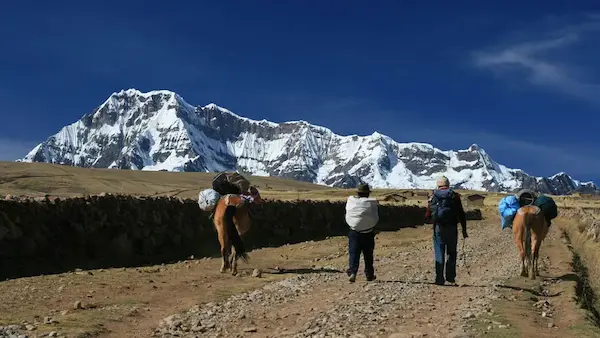
Peru offers some of the most breathtaking high altitude landscapes in the world, but choosing the right destinations and the right order to visit them makes a significant difference in how your body adapts. Some locations naturally support gradual acclimatization, allowing travelers to enjoy the Andes safely while minimizing altitude-related discomfort.
Understanding how to prepare for high altitude travel in Peru also means selecting destinations that align with your fitness level, itinerary, and pace.
Cusco and the Sacred Valley
Starting your journey in Cusco and the Sacred Valley is one of the best ways to adapt to altitude. While Cusco sits at around 3,400 meters (11,150 feet), nearby areas in the Sacred Valley are slightly lower, making them ideal for gradual exposure.
Many well planned itineraries include light activities, cultural visits, and rest days in these areas before heading to higher elevations. This approach allows your body to adjust naturally while you explore archaeological sites, local markets, and traditional villages. Gradual exposure is a cornerstone of how to prepare for high altitude travel in Peru and greatly improves comfort during the rest of your trip.
High Altitude Hikes and Nature Experiences
Once properly acclimatized, Peru’s high-altitude landscapes truly shine. Treks such as the Ausangate 7 Lakes Hike offer dramatic mountain scenery, glacial lakes, and a deep connection to Andean nature. These experiences are physically demanding and require respect for altitude, steady pacing, and proper preparation.
Another popular destination is Rainbow Mountain, where elevation exceeds 5,000 meters (16,400 feet). Timing, weather conditions, and acclimatization are crucial here, as the rapid ascent can be challenging even for experienced hikers. Visiting after several days at altitude significantly improves the experience and reduces risks.
For travelers seeking a balance between comfort and nature, Humantay in Ecocamp Domes offers a more controlled high-altitude experience. Staying in domes at altitude allows gradual adaptation while remaining immersed in the Andean environment, combining comfort, rest, and breathtaking views an ideal option for those prioritizing acclimatization without sacrificing adventure.
What to Pack for High Altitude Travel in Peru
Packing correctly plays a crucial role in how your body adapts to altitude. The right gear and essentials can significantly improve comfort, safety, and overall well-being during your journey through Peru’s high-altitude destinations. Thoughtful preparation reinforces everything you’ve learned about how to prepare for high altitude travel.
Clothing and Gear
Weather conditions at high altitude can change rapidly throughout the day, from intense sunlight to cold winds and sudden drops in temperature. Dressing in layers allows you to adapt easily and stay comfortable. Essential clothing and gear include:
- Layered clothing to manage temperature changes
- A warm jacket or fleece for cold mornings and evenings
- Sun protection, including a hat, sunglasses, and high-SPF sunscreen
- Comfortable walking or hiking shoes with good support
Being prepared for unpredictable weather helps conserve energy and reduces unnecessary strain on your body during acclimatization.
Medications and Essential Items
Having the right medical and personal items on hand supports your body during the adaptation process. Make sure to pack:
- Personal prescription medications
- Altitude-related medication if recommended by a healthcare professional
- Rehydration salts or electrolyte packets to maintain fluid balance
These items can help manage mild symptoms and prevent complications, allowing you to respond quickly if discomfort appears. Proper packing is a key component of understanding how to prepare for high altitude environments and ensures you’re ready to enjoy Peru’s high-altitude experiences safely and comfortably.
Maybe you’ve been interested in: Travel peru itinerary: best budget-friendly routes for travelers

Mistakes to Avoid When Traveling at High Altitude
Certain mistakes can significantly increase the risk of altitude sickness and negatively impact your overall travel experience, especially if you are not clear on how to prepare for high altitude travel. Rushing your itinerary during the first days at elevation is one of the most common errors, as it prevents proper acclimatization. Drinking alcohol too early, staying poorly hydrated, or underestimating the effects of elevation can also intensify symptoms and slow down your body’s adaptation process.
Another serious mistake is ignoring early warning signs such as headaches, fatigue, or shortness of breath. These symptoms are your body’s way of asking for rest and a slower pace, something essential when learning how to prepare for high altitude travel correctly. Skipping acclimatization days or pushing through discomfort often leads to more severe altitude issues, while avoiding these errors ensures a safer and more enjoyable experience in the Andes.
- Rushing itineraries: Moving too quickly to higher elevations without allowing time for acclimatization puts unnecessary stress on your body. A gradual ascent is essential for safe and comfortable adaptation.
- Drinking alcohol too early: Alcohol dehydrates the body and can worsen altitude-related symptoms, especially during your first days at elevation. It’s best to avoid alcohol until your body has adjusted.
- Ignoring early symptoms: Mild symptoms such as headaches or fatigue should not be dismissed. Recognizing and responding early helps prevent more serious altitude-related issues.
- Skipping acclimatization days: Rest days are a key part of any high altitude itinerary. Skipping them increases the risk of discomfort and illness and reduces your ability to enjoy trekking or sightseeing.
Avoiding these common errors is just as important as understanding how to prepare for high altitude travel and will greatly improve your safety and enjoyment while exploring Peru’s high altitude destinations.
Final tips on how to prepare for high altitude travel in Peru
Experiencing Peru’s high-altitude regions is one of the most rewarding adventures in South America. From dramatic Andean landscapes to deeply rooted cultural traditions, every moment at elevation offers a unique connection with nature and history. However, these experiences are best enjoyed when your body and mind are properly prepared for the challenges that altitude presents.
Preparation is the foundation of a safe and enjoyable journey. Move at a relaxed pace during your first days, prioritize rest, and stay well hydrated. Listen closely to your body and respect its limits acclimatization is not a race. Choosing well-planned itineraries, allowing buffer days, and following local advice can make a noticeable difference in how you feel and perform at high elevations.
Equally important is maintaining a mindful attitude. Eat light, balanced meals, avoid overexertion, and embrace the slower rhythm of life in the Andes. Simple habits such as protecting yourself from the sun, sleeping well, and staying warm play a crucial role in your overall well-being. Understanding how to prepare for high altitude travel empowers you to respond calmly and confidently if minor symptoms arise.