I am passionate about the history of Latin American peoples; far from boring, for me it’s an ongoing adventure. My favorite hobby is researching how we got here because I believe that by understanding history, we can better grasp the politics and realities of each country. The origins of Latin American peoples are fascinating: the stories of the Aztecs, the Mayas, the arrival of the Spaniards… all of it excites me, and I eagerly dive into it. Through books, I feel like I live those eras and connect deeply with them.
But there’s one history I particularly love and enjoy immensely: the story of the Incas. It’s no coincidence that a world wonder like Machu Picchu exists — a symbol of how great and powerful the Incas were. Their culture is incredibly interesting, and I often wonder how they achieved so much (many things still standing today) with such limited resources. That blend of mystery, ingenuity, and magic makes Inca culture truly unique.
I don’t like to keep all this knowledge to myself, so I’ve dedicated myself to researching and gathering everything I know about Inca culture in an engaging and far-from-boring way. Here, I’ll share fascinating facts about Inca culture. I hope you enjoy it and learn as much as I have about this captivating, distinct, almost otherworldly culture. Welcome to this journey to the heart of the Inca Empire!
También te puede interesar leer: Summer in Peru

Who Were the Incas?
The Incas were a people native to the Andean region of South America, whose empire reached its peak in the 15th century, just before the arrival of the Spaniards. Their capital was Cusco, in what is now Peru, and from there they expanded their dominion across much of the Andean mountain range, covering territories that today belong to Peru, Bolivia, Ecuador, Chile, and Argentina.
The Inca Empire, known as Tahuantinsuyo (meaning “the four regions united”), was distinguished by highly advanced political and social organization. It is believed that Inca culture started as a small community and, thanks to its leadership and administrative systems, grew to become the largest pre-Columbian empire in the Americas.
También te puede interesar leer: Inti Raymi 2025

15 Fascinating facts about Inca culture
Inca culture is a universe filled with secrets, wonders, and knowledge that continue to surprise and teach us today. Although their empire disappeared over 500 years ago, their legacy remains alive and is a source of pride for millions. Here is an expanded list of fascinating facts that make Inca culture so captivating.
1. The Incas didn’t have a writing system as we know it
Unlike other great civilizations, the Incas didn’t develop a writing system with letters or symbols to record their language. Instead, they used quipus, which consisted of cords of various colors, sizes, and knots. Each knot represented numbers or specific categories, and through very precise combinations, they could keep an exact record of agricultural production, censuses, and tributes. What’s amazing is that although it seems simple, this method functioned as a true database, and even today some specialists work to decipher all its secrets.
También te puede interesar leer: The best places on the Coast: Discover the Coastal wonders of Peru
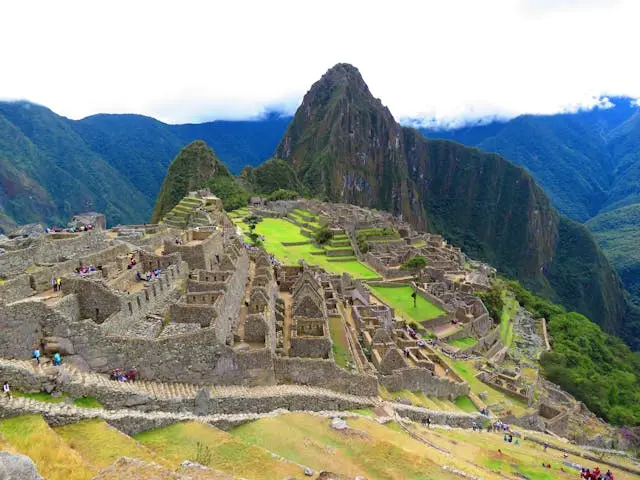
2. The architectural marvel of the Incas
This citadel, built in the 15th century, served as a refuge for the Inca elite, probably commissioned by Emperor Pachacuti. It was never discovered by the Spaniards and remained hidden in the jungle until rediscovered in 1911 by Hiram Bingham. Machu Picchu stands out not only for its beauty and location but also for its integration with the natural landscape, using earthquake-resistant construction techniques and an advanced water canal system. Even today, many studies seek to understand all its uses and symbolism.
3. The Sapa Inca was a divine figure
The Sapa Inca was not just a king but a semi-divine person, considered a direct son of the sun god Inti. This granted him absolute power and the obligation to oversee the empire’s welfare. His image and actions were deemed sacred, and he was protected by a special court. This divine connection reinforced the loyalty of his subjects and the empire’s stability.
También te puede interesar leer: Festivities in Cusco for 2025
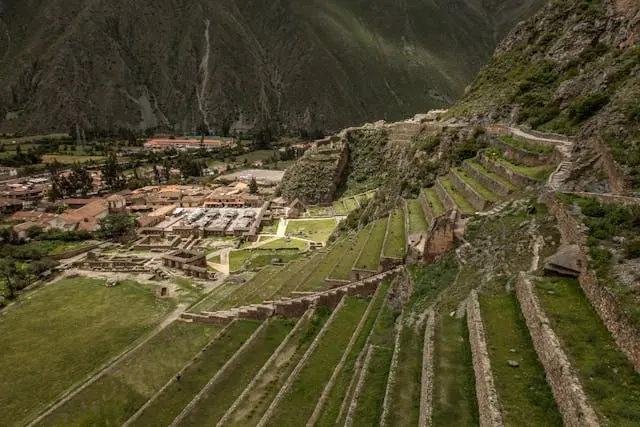
4. Agricultural terraces
The Andes mountains seem inhospitable for farming, but the Incas designed a system of stepped terraces that transformed those slopes into fertile fields. Each terrace helped conserve soil and water and created microclimates that allowed different crops to grow depending on altitude. Their irrigation system channeled water from rivers and glaciers. This agricultural model is an example of sustainability and adaptation to the environment.
5. The Inca road network
Imagine a network of roads crossing mountains, valleys, and jungles, connecting an empire as large as several modern countries. That was the Inca road system, with more than 40,000 kilometers of well-built roads, facilitating the movement of messengers called chasquis. These runners could cover vast distances quickly, transmitting oral messages, objects, or important government information. This system was essential for maintaining control and unity across the empire.
6. Advanced medicine
Although incredible for the time, the Incas practiced trepanation, a surgery that involved making an opening in the skull to relieve pressure, treat fractures, or illness. Impressively, many people survived this intervention, demonstrating that Inca surgeons had advanced medical knowledge and surgical techniques, including wound cleaning and effective post-operative care.
También te puede interesar leer: The 7 best destinations to travel to the jungle
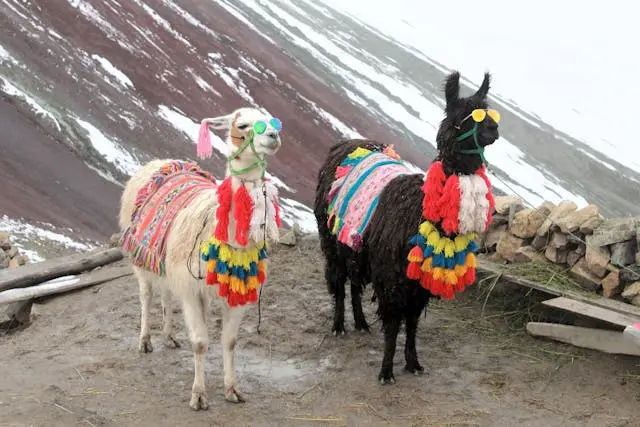
7. Llamas and alpacas
These camelids were vital to Inca culture not only as transportation across difficult terrain but also as sources of food (meat), wool for clothing, and leather. The larger and more resilient llama was used to carry loads, while the alpaca produced soft, warm wool, highly valued in textiles.
8. Coca
For the Incas, the coca leaf was much more than a plant; it played a central role in daily and spiritual life. Chewing coca helped combat altitude sickness, fatigue, and cold. It was also used in religious ceremonies as offerings to Pachamama (Mother Earth) and Inti. The plant symbolized the connection between humans and nature, and its use was regulated with respect.
9. The Capital shaped like a Puma
The city of Cusco was designed with profound symbolic meaning. Its urban layout is said to resemble a puma, a sacred animal representing strength and protection. The puma’s head is located at the fortress of Sacsayhuamán, and its body extends throughout the city, showing how spirituality was integrated into urban planning.
También te puede interesar leer: Peruvian music: colorful rithyms
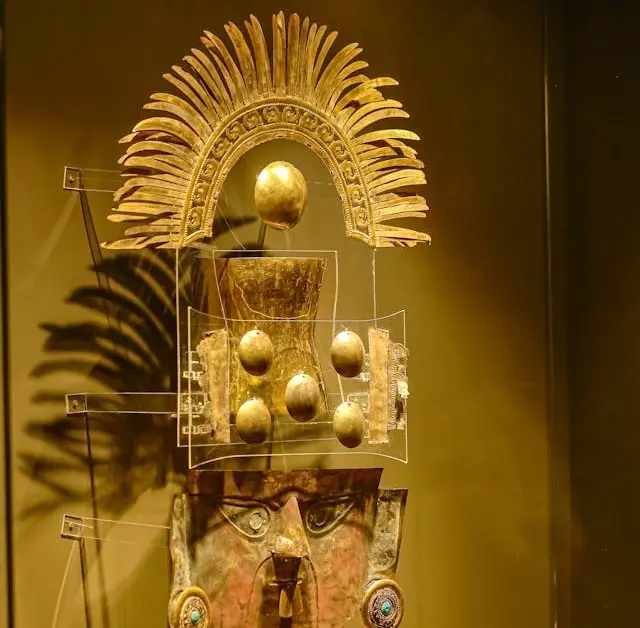
10. Gold, the “Sweat of the Sun”
For the Incas, gold wasn’t a symbol of material wealth but a sacred metal representing the energy and power of the sun. They used it to decorate temples, masks, and ceremonial objects, never for personal display. This reverential view of gold contrasts with other cultures where precious metals were accumulated for economic purposes.
11. An economy without money
Although they had no currency as such, the Incas developed an economic system based on goods exchange and redistribution controlled by the state. Agricultural and artisanal production was stored in state warehouses and distributed according to needs, especially during times of scarcity or natural disasters, ensuring the survival of all communities.
12. Inti Raymi, a celebration that endures
This ceremony honoring the sun god marked the beginning of the agricultural year and planting season. It was a festival filled with music, dances, offerings, and rituals aimed at securing the sun’s blessing for the crops. Today, Inti Raymi is reenacted in Cusco with massive tourist participation, keeping tradition and cultural pride alive.
13. Impossible and resilient constructions
The stone walls of temples like Qorikancha are made with stones perfectly cut and fitted without cement. This technique allowed them to withstand earthquakes for centuries. The precision in cutting and assembling is such that not even a sheet of paper can fit between the stones, showcasing the Incas’ architectural mastery.
14. Quipus: More than just numbers?
For a long time, quipus were thought to store only numerical data, but recent studies suggest they might have been used to record stories, laws, and narratives. If confirmed, this would be a unique form of writing worldwide, encoded through cords and knots.
15. Hydraulic engineering
Water management was fundamental to the Incas. They built aqueducts, canals, and fountains that irrigated crops and supplied cities and ceremonial centers. Their systems respected the natural water cycle, preventing contamination and optimizing usage—a prime example of sustainable engineering.
También te puede interesar leer: Andean Milky Way
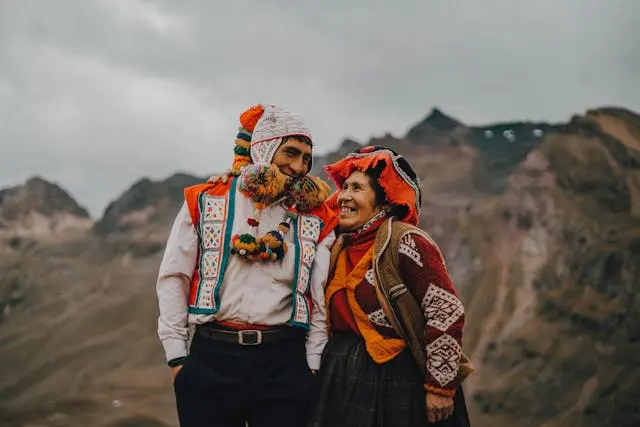
Inca Culture today: Influence and presence in Latin America
Although the Inca Empire was conquered by the Spaniards in the 16th century and much of its original civilization was lost or transformed, Inca culture remains vibrant in many forms throughout Latin America, especially in the Andean regions. Its legacy is not just history but a living reality that continues to shape the identity, traditions, and ways of life of millions.
Enduring Indigenous Languages
One of the most visible and significant legacies of Inca culture is the Quechua language, which was the empire’s official tongue and lingua franca across much of the Andes. Today, Quechua is spoken by millions in Peru, Bolivia, Ecuador, Colombia, Argentina, and Chile, making it one of the most widely spoken indigenous languages in Latin America. It has been declared an official language in several countries, promoting its preservation and revitalization through education and cultural initiatives.
Quechua is not just a communication tool but a vessel for passing down ancestral knowledge, worldviews, and traditions that have withstood the test of time. Additionally, some communities continue to speak related indigenous languages such as Aymara, which also traces roots back to the Inca cultural sphere.
Ancestral traditions keeping the Inca heritage alive
Festivals, agricultural customs, and religious rituals practiced by the Incas continue to be observed in many Andean communities. Celebrations like Inti Raymi (the Festival of the Sun) are held annually in iconic places like Cusco, gathering thousands who honor the earth, sun, and fertility.
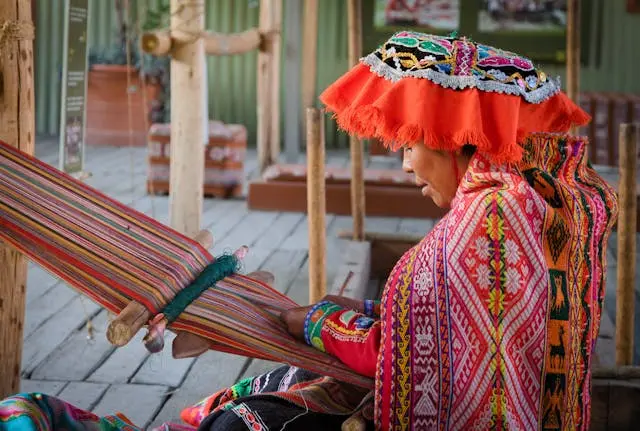
Moreover, traditional agricultural techniques, such as the use of terraces and ancient irrigation systems, remain in practice, showcasing the effectiveness and sustainability of Inca farming methods. In arts and crafts, textiles, music, and dance, motifs, symbols, and styles from Inca culture are preserved, acting as a bridge between past and present.
También te puede interesar leer: National Holidays in Peru
Identity and pride
For millions in Peru, Bolivia, Ecuador, and other Andean regions, being descendants of the Incas is a profound source of pride and a strong connection to history and land. This identity manifests in the appreciation of traditions, recovery of ancestral practices, and respect for cultural heritage.
This sense of belonging has also influenced social, cultural, and political movements that seek to reclaim indigenous rights and promote their inclusion in modern society. The Inca legacy is not just historical admiration but a driving force for building a future that recognizes and celebrates Latin America’s cultural diversity.
These fascinating facts reveal the depth, ingenuity, and magic of Inca culture. More than a lost empire, the Incas left us a legacy of wisdom that continues to inspire respect and admiration. Learning these curiosities not only brings us closer to their history but also invites us to value the rich cultural heritage still alive among millions and their Andean traditions. Inca culture remains a living source of learning and pride, deserving exploration and celebration.
Inca culture isn’t just a chapter of the past but a living wellspring of knowledge, identity, and wonder. From its complex social organization to its impressive constructions and profound spirituality, this great Andean empire demonstrates humanity’s capacity to adapt, innovate, and transcend. Exploring Inca culture immerses us in a world of ancestral wisdom that still speaks to us today, inviting us to better understand our history and cherish the legacy we have inherited. I hope this journey has brought you closer to that magic and inspires you to keep discovering more about this fascinating civilization.