Sustainable tourism around the world is much more than a trend; it is a way of traveling with eyes wide open and a heart ready to connect. Traveling transforms us. But have you ever wondered how we transform the places we visit?
Sustainable tourism is born from that awareness: understanding that our decisions as travelers have a real impact. From the place we sleep to the type of transportation we choose or the way we interact with local people—everything leaves a mark.
And the most powerful part is knowing that this mark can be a positive one, if we choose wisely. That we can support local economies, protect biodiversity, and honor each place’s traditions without invading, altering, or exploiting. That we can explore the world without dimming its essence.
This post is an invitation to see travel from another perspective: one of respect, collaboration, and care. We’ll show you how Peru has become a benchmark for sustainable tourism in Latin America, and what other countries are doing to make travel an act of love for the planet.
You might also be interested in reading:

What is sustainable tourism?
Sustainable tourism is a way of traveling that seeks to minimize negative impacts on the environment, respect local cultures, and contribute to community well-being. It goes beyond recycling or turning off the hotel lights. It’s about making choices that care for the planet and its people.
Principles of sustainable tourism
- Conserve natural environments: protect biodiversity and reduce your ecological footprint.
- Respect local culture: travel with an open mind and a heart willing to learn.
- Support the local economy: choose businesses run by local people.
- Reduce waste: bring your own bottle, say no to single-use plastics.
- Be a conscious traveler: stay informed before, during, and after your trip.
Why is sustainable tourism important?
Tourism can be a powerful tool for development. But if not managed responsibly, it can destroy the very things that make a destination special: landscapes, cultures, and authenticity.
By choosing sustainable tourism:
- You help conserve fragile ecosystems.
- You contribute to the economy of local families.
- You enjoy deeper, more authentic, and transformative experiences.
You might also be interested in reading: What to do in Peru for one week

Practical tips for more sustainable travel
- Choose responsible accommodations Look for places that have environmental certifications, community projects, or that work with local populations. They may not be the most luxurious, but they offer authentic experiences.
- Buy local Eat at family-run restaurants, buy handmade crafts, choose tours led by locals. Every dollar spent there makes a positive impact.
- Reduce your environmental impact Bring your own water bottle, reusable bag, and bamboo utensils. Small actions add up.
- Connect with the community Listen to their stories, join their activities, respect their customs. Being a tourist doesn’t give you the right to impose your worldview.
- Protect nature Stay on trails, don’t leave trash, and don’t feed wild animals. Remember, you’re a guest in their home.
Sustainable tourism in Peru
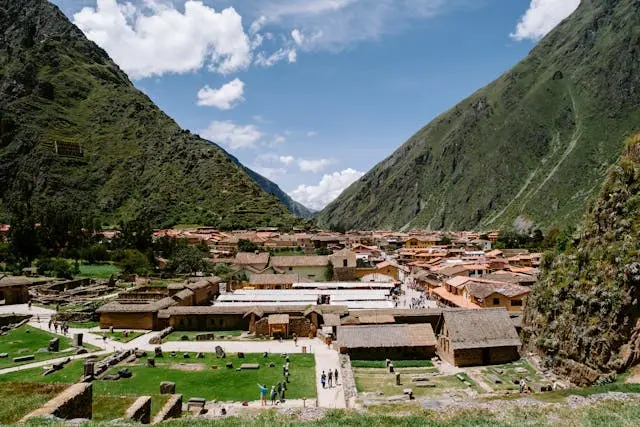
In Peru, sustainable tourism has a face and a name. It’s the Andean, Amazonian, and rural communities that open their homes to share their daily lives without filters. In the Sacred Valley of the Incas, for example, communities like Amaru, Chinchero, or Patacancha have created immersive tourism experiences where visitors join families in harvesting, cooking, weaving—and most importantly, learning.
This type of tourism brings direct income, preserves traditions, and promotes real exchange. No staged shows. Just humanity.
You might also be interested in reading: 15 Fascinating facts about Inca culture
Successful projects in the jungle and the highlands
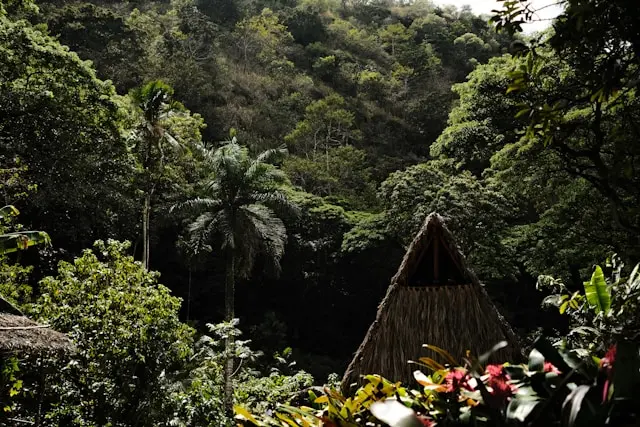
In the Peruvian Amazon, destinations like Madre de Dios are betting on eco-lodges powered by solar panels, managing their waste, and training local guides in environmental conservation. A good example is Tambopata Ecolodge, a pioneer in applying sustainable practices without sacrificing comfort.
In the highlands, Lake Titicaca is another standout. On the islands of Uros and Taquile, many families offer lodging and cultural activities developed with respect for the natural environment of the world’s highest navigable lake.
Sustainable tourism in protected areas
Peru has over 70 protected natural areas, many of which are open to tourism. Places like Paracas National Reserve, Huascarán National Park, and Tambopata Reserve welcome visitors under sustainability guidelines. These areas limit the number of tourists, promote the use of trained local guides, and enforce clear conservation rules.
Visiting these areas with awareness is a way to support conservation efforts and learn about Peru’s incredible biodiversity.
You might also be interested in reading: Summer in Peru
Best practices for sustainable tourism in Peru
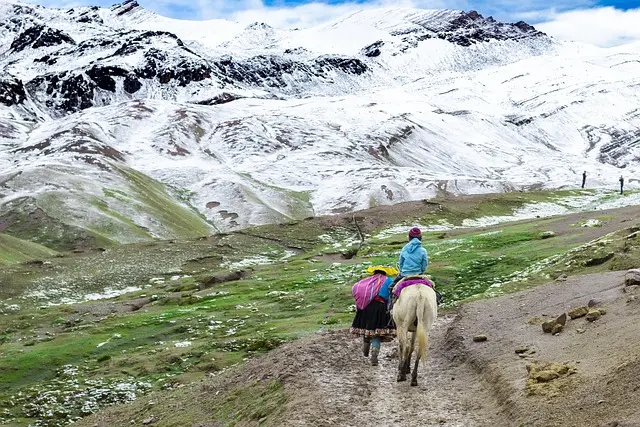
Choose responsible agencies Before booking any tour, do your research. There are agencies in Peru that work directly with communities, respect tourist capacity limits, and promote environmental education. Some of the most recognized hold certifications like Rainforest Alliance or Turismo Cuida.
Respect the culture and the environment
- Don’t take photos without permission, especially in rural areas.
- Avoid buying souvenirs made from endangered species.
- Reduce plastic use. Many places now offer water refill stations.
- Use shared transportation when possible: it’s cheaper and less polluting.
Inspiring examples beyond Peru
Although Peru is making progress, it’s worth looking abroad too. In Costa Rica, ecotourism has been a model since the 1990s: protected parks, sustainable lodgings, and environmental education in schools. In Bhutan, tourism is strictly regulated to preserve the country’s spiritual and natural balance. They only accept a limited number of visitors per year.
These examples show that traveling responsibly is possible and that, with political will and public policies, tourism can become a force for good.
The traveler’s role
Sustainable tourism doesn’t rely only on governments or companies. Every traveler plays an important role: from choosing consciously to leaving an emotional imprint instead of an ecological one. If you’re traveling to Peru, you can:
- Opt for community-led tours instead of mass tours.
- Stay at family-run lodges or eco-lodges.
- Appreciate oral history, home-cooked food, and the natural pace of life.
Examples of sustainable tourism in Peru
- Lake Titicaca: Quechua and Aymara communities offer homestays and activities like traditional fishing or weaving.
- Tambopata National Reserve: Eco-lodges work with local guides and promote Amazon conservation.
- Chinchero and Pisac: Community textile workshops where you can learn about natural dyes and ancestral weaving techniques.
You might also be interested in reading: Inti Raymi 2025
How to start practicing sustainable tourism
You don’t have to be perfect. Start with one choice: a responsible company, a reusable bottle, a respectful conversation. Sustainable tourism is not a fad—it’s a way of understanding travel as an act of reciprocity.
Every step matters. And when we travel consciously, we return with more than just photos: we return with stories, lessons, and the satisfaction of having cared for the places we visited.
Travel with purpose
Sustainable tourism isn’t just for experts or hardcore adventurers. It’s for anyone who wants to leave the world a little better than they found it. Traveling with purpose, respect, and curiosity is possible. And today, more than ever, it’s necessary.
Yes, the planet needs us to change the way we travel. But we also need journeys that change us. Because by caring for the places we visit, we also care for ourselves.
Peru has it all: nature, history, vibrant culture, and unmatched hospitality. But beyond its natural wonders, it’s also a country that needs to be protected. Practicing sustainable tourism here is not a luxury—it’s a way of giving back to a generous land.
Travel by collecting meaningful experiences, and you’ll be part of real transformation.