When planning a destination for your next trip, we usually focus only on one thing: the money and the place we will visit. However, there are many things we might miss out on if we don’t take a clear approach to what traveling truly means and how to enjoy it whenever the situation allows.
For this reason, in the following article you will find a route to Cusco that will allow you to enjoy the small details we often overlook when we don’t plan our trip properly.
You might be interested in 9 Traditional dances of Peru
How to Plan Your Route to Cusco Step by Step
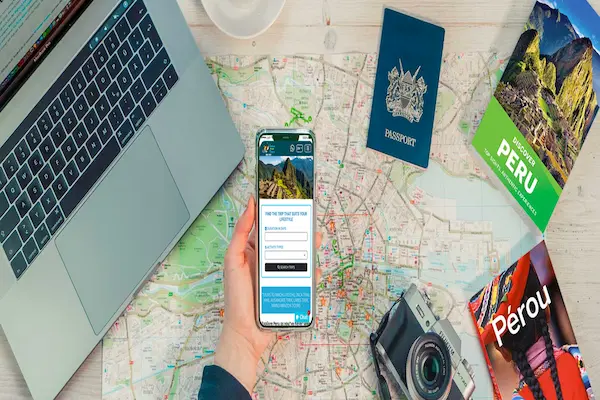
It is essential to carefully plan your route to Cusco before beginning your journey through the Andes. Understanding the weather conditions will help you choose the best time to travel and avoid unpleasant surprises along the way. Likewise, knowing the different transportation options—such as trains, buses, or flights will be useful in selecting the alternative that best suits your needs and budget.
Travel times are also important, as they will affect your itinerary and the number of activities you can include. Good planning will not only improve the comfort of your experience on the route to Cusco, but will also ensure your safety along the way.
Choosing the Best Time to Travel the Route to Cusco
The dry season (April to October) is the most recommended time to visit because it offers clear skies, accessible roads, and sunny days. During this time, the route to Cusco is ideal for enjoying Andean landscapes, hiking, and visiting archaeological sites without heavy rainfall.
In contrast, the rainy season (November to March) offers fewer tourists and lower prices, though roads may be slippery and transportation could face delays.
Transportation Options for Your Route to Cusco
There are several ways to travel to Cusco, depending on where you start:
- By plane: the fastest option from Lima, Arequipa, or Juliaca.
- By bus: ideal for those who enjoy scenic views; from Lima, the trip takes about 20 hours.
- By private car: allows you to freely explore the towns along the way.
- By train: although it does not depart directly from Lima, tourist routes are available from Ollantaytambo or Puno.
Popular Routes to Reach Cusco from Different Regions of Peru
Peru offers more than one route to Cusco, each with its own attractions, rich history, and stunning landscapes that reflect the country’s natural and cultural diversity. These routes are more than just roads they are experiences that allow travelers to immerse themselves in the essence of Peru, discovering local traditions, cuisine, and the warmth of its people. Below are the most notable routes that lead to the imperial city.
Lima to Cusco Route: The Longest and Most Diverse Journey
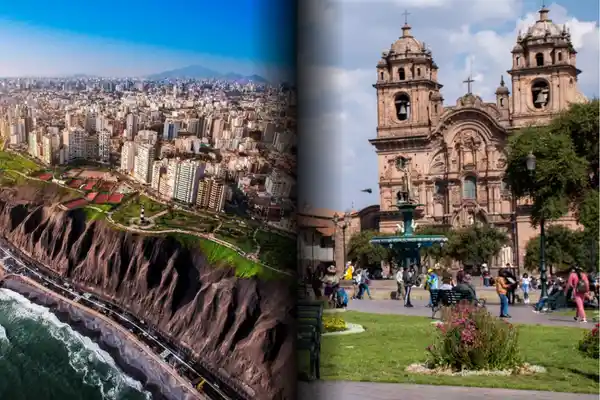
The journey from Lima to Cusco covers over 1,100 kilometers, featuring diverse landscapes such as valleys, deserts, and mountains. This road trip typically takes 18 to 22 hours, depending on the chosen route. Travelers will pass through charming towns like Abancay, Andahuaylas, and Ayacucho, each known for their colonial history and traditional cuisine.
This route is particularly appealing for those eager to see the natural beauty of Peru before reaching the historic imperial city of Cusco. The experience offers not just a means of transportation but also a chance to appreciate the vibrant local life, stunning scenery, and the rich tapestry of traditions that define this remarkable country.
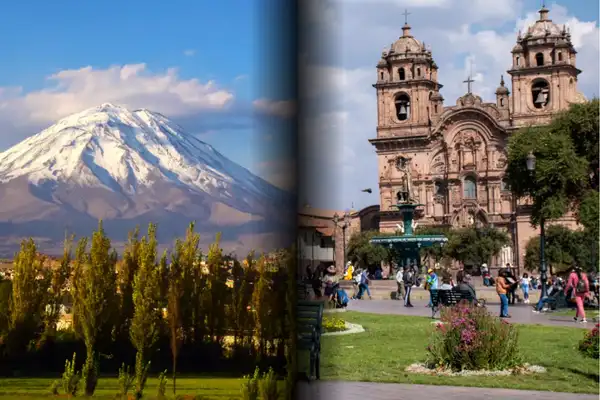
Arequipa to Cusco Route: A Journey Through the Southern Highlands
The route to Cusco from Arequipa takes about 10 hours and features stunning landscapes, including volcanoes and traditional villages. Travelers can enjoy attractions like the relaxing hot springs of Yura and the breathtaking views from the Patapampa viewpoint. The Colca Canyon, one of the world’s deepest canyons, is also a highlight. This route is less strenuous, making it easier to acclimatize to higher altitudes before reaching Cusco, ensuring a pleasant travel experience.
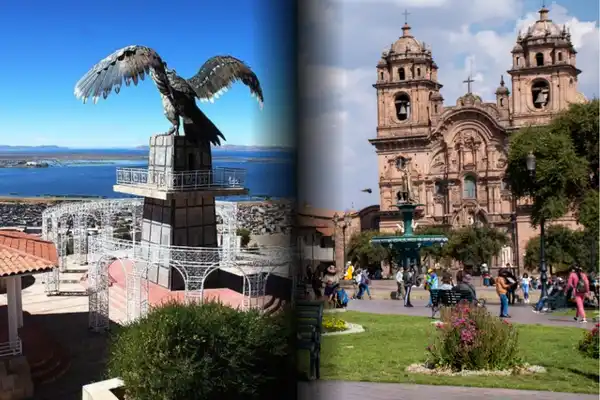
Puno to Cusco Route: Connecting the Highlands with the Andes
The journey from Puno to Cusco is a rich cultural experience spanning 390 kilometers across the breathtaking Peruvian altiplano. Travelers can visit key stops like Pucará, known for its archaeological sites; Andahuaylillas, home to a stunning colonial church; and Raqchi, featuring impressive Inca ruins. Each town reflects the vibrant traditions of the Andean people. This route to Cusco is ideal for those wishing to combine the beauty of the Sacred Valley with the tranquility of Lake Titicaca, showcasing the region’s cultural and natural wonders.
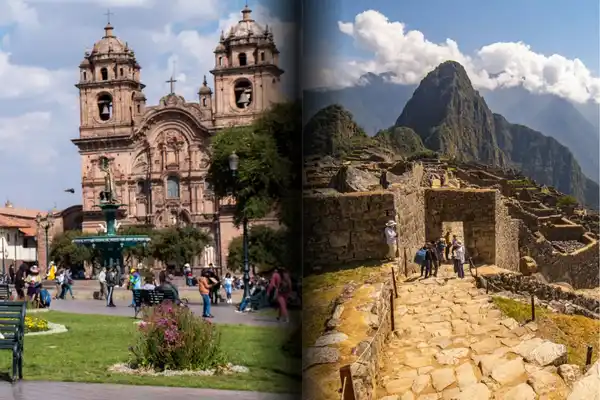
Cusco to Machu Picchu Route: The Most Famous Path in the Andean World.
Unquestionably one of the most popular routes in South America, the route to Cusco from Machu Picchu is well-known for its stunning scenery and rich cultural legacy. Whether they want comfort, adventure, or a closer bond with the environment, travelers have a variety of options to choose from. From picturesque train rides that glide alongside the Urubamba River to strenuous hikes along the Inca Trail, each route offers distinctive experiences that let travelers fully immerse themselves in the breathtaking Andean environment and the history of the Inca civilization.
Cusco to Machu Picchu by Train: Comfort and Unforgettable Scenery
Traveling by train to take the route to Cusco to Machu Picchu is considered the most comfortable and scenic option. Trains depart from Ollantaytambo and Poroy, near Cusco, heading to Aguas Calientes. The journey offers stunning views along the Urubamba River, showcasing ancient Inca terraces and the majestic Andes mountains. With spacious seating and amenities, this route combines relaxation with breathtaking natural beauty, making it a memorable experience for travelers.
Cusco to Machu Picchu by Road: The Budget-Friendly Alternative
The text outlines a travel route from Cusco to Aguas Calientes, the gateway to Machu Picchu. Travelers start by driving to Santa Teresa, known for its scenic views, and then to Hidroeléctrica, a hydroelectric station. From Hidroeléctrica, they walk for about two hours to Aguas Calientes, enjoying the natural beauty along the way. This route is ideal for adventurous and budget-conscious travelers, offering flexibility and a chance to appreciate the landscapes of Peru rather than just focusing on the destination.
Inca Trail and Chaski Cusco Route: Paths Full of History and Adventure
The Inca Trail in Peru is a famous trekking route known for its stunning landscapes and historical importance. It is part of the Chaski Cusco route, used by Inca messengers. Hikers experience diverse terrains, including valleys and mountains, and encounter archaeological sites that reflect the Inca civilization’s engineering prowess. The trail ends at Machu Picchu, where trekkers enjoy breathtaking views from the Sun Gate, especially at sunrise. Although physically challenging, the hike offers rewarding experiences, making it a popular choice for adventurers and history lovers alike..
You might be interested in Ayahuasca: History, Meaning, and Spiritual Practices in Peru
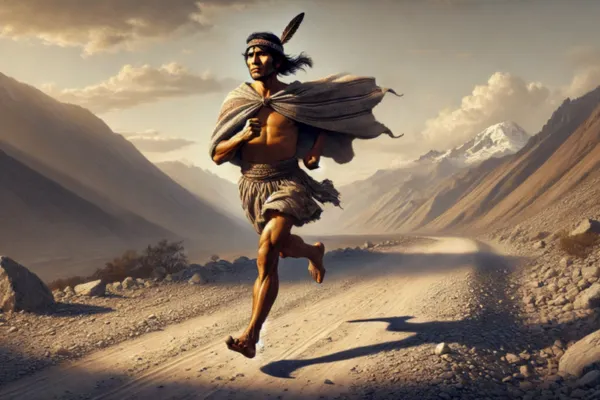
The Chaski Cusco Route: An Ancestral Experience Among Mountains
The Chaski makes a route to cusco and combines natural beauty with historical significance, tracing paths once used by Inca messengers known for their speed. This modern trail pays tribute to the ancient couriers and follows the Qhapaq Ñan, the Great Inca Road, a UNESCO World Heritage site that highlights Inca engineering and cultural exchange. Travelers along this route encounter archaeological sites, traditional villages, and stunning landscapes, offering an immersive experience that reflects on the ingenuity and legacy of the Inca civilization, connecting the past with the present.
Historical Origin of the Chaski Cusco Route
The Inca Empire, flourishing from the 15th to 16th centuries, utilized chaskis, trained runners, for efficient communication across its vast road network. The actually route to cusco honors this tradition by blending culture, nature, and sport, allowing participants to hike or run while experiencing the Andes’ beauty and local traditions. This modern homage educates about the Inca civilization and promotes a healthy lifestyle, celebrating the empire’s legacy and the importance of communication in its success.
What to See Along the Chaski Cusco Route
One of the ancestral route to cusco is the Sacred Valley of Peru, known for its stunning landscapes and rich cultural heritage. It highlights towns like Pisac, famous for its market and Incan ruins, and Ollantaytambo, recognized for its archaeological site and access to Machu Picchu. The region offers a glimpse into traditional Andean life, showcasing local crafts and customs. Additionally, it mentions lesser-known archaeological sites that provide intimate experiences with the area’s ancient history. Overall, the text encourages travelers to appreciate the Sacred Valley’s natural beauty and cultural depth, emphasizing a deep connection with Andean customs through historical pathways like the Chaski route.
Tips for Making the Most of the Chaski Cusco Route
- Hire certified local guides.
- Bring trekking gear, sunscreen and water.
- Acclimate in Cusco before starting the hike.
- Respect local communities and natural surroundings.
Useful Tips for a Smooth Journey
Planning ahead is key to enjoying your route to Cusco to the fullest. Here are some essential tips to help you have an unforgettable trip:
Required Documentation and Permits
Make sure to carry your ID, necessary tourist tickets, and if you plan to do the Inca Trail, don’t forget to obtain the official permits issued by the Ministry of Culture. These permits are essential to guarantee entry and respect established regulations.
What to Pack for Your Route to Cusco
If you looking for outdoor activities by choosing suitable clothing and gear according to weather conditions. It recommends warm, waterproof layers for cold and wet weather, comfortable footwear for mobility, and packing basic medicines for minor health issues. Additionally, it suggests protective items like hats, sunglasses, and sunscreen against UV radiation. The importance of being adaptable to sudden weather changes is emphasized to enhance the outdoor experience. Following these guidelines helps ensure safety and enjoyment while minimizing risks.
Health Tips and Acclimatization
Cusco, Peru, located over 3,300 meters above sea level, poses a risk of altitude sickness for travelers. Symptoms include headaches, nausea, dizziness, and fatigue, which can hinder the enjoyment of the city’s cultural and scenic beauty. To reduce the risk, visitors should rest on arrival to acclimatize, stay hydrated, and consider traditional remedies like coca tea and muña tea, which may help alleviate symptoms. By following these precautions, travelers can enhance their experience in this remarkable city.
You might be interested in Why December in Peru Feels Like a Celebration of Life
Experiences and Attractions Along the Route to Cusco
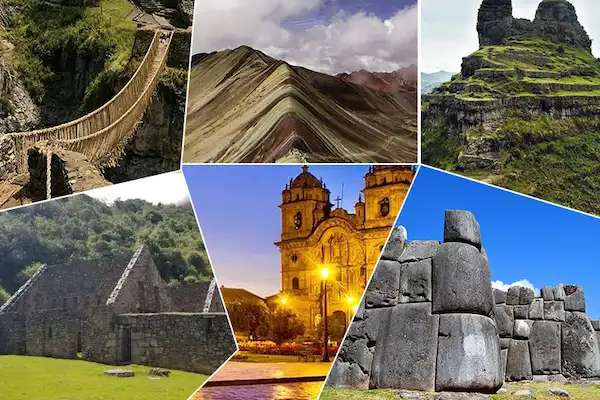
The enriching travel experience to Cusco, Peru, emphasizing that the journey is as significant as the destination. Travelers will encounter charming towns with unique architecture, local markets, and friendly residents, enhancing the region’s appeal. The culinary adventure includes tasting authentic Peruvian dishes, showcasing the country’s diverse cuisine. Additionally, visitors may experience vibrant local festivities, featuring music, dance, and colorful attire, which deepen their understanding of Peruvian culture. Overall, the route to Cusco offers an immersive experience in the rich tapestry of Peruvian life, fostering a greater appreciation for the country’s authentic identity.
Magical Towns and Recommended Stops
Andahuaylillas, known as the “Sistine Chapel of the Americas,” features the stunning San Pedro Apostol church, famous for its vibrant painted ceilings that blend indigenous and Spanish art. Raqchi is home to the Temple of Wiracocha, an impressive Incan structure showcasing remarkable architecture and reflecting Incan spirituality. Chinchero is a charming village celebrated for its traditional textile heritage, where artisans create beautiful textiles using ancient weaving techniques. Together, these sites highlight the rich history, spirituality, and artistry of the Andean region, making them essential for travelers exploring Peru’s cultural landscape.
Gastronomy on the Route to Cusco
Andean cuisine is a rich and diverse culinary tradition from the Andean region of South America, including Peru, Bolivia, Ecuador, and Colombia. It emphasizes local ingredients cultivated by indigenous peoples for centuries. Notable dishes include fried trout, a popular meal near lakes; baked oca, a sweet tuber; chairo soup, a hearty blend of potatoes, meat, and vegetables; and cuy chactado, a delicacy made from fried guinea pig. Local markets showcase vibrant products like purple corn, used in beverages, and quinoa, celebrated for its nutritional value. Overall, Andean cuisine reflects the region’s history, culture, and agricultural practices, offering a delightful culinary experience.
Festivities and Living Culture Along the Way
Cusco is a historically rich city that showcases a vibrant blend of ancient traditions and modern culture. Its cobblestone streets are alive with local patron saint festivals, notably Corpus Christi, which features colorful processions, music, and dance, reflecting the community’s deep Christian faith intertwined with Inca heritage. Another significant celebration is Inti Raymi, the Festival of the Sun, honoring the Inca sun god with traditional attire, rituals, and offerings during the winter solstice. These festivities highlight Cusco’s cultural resilience, captivating both locals and visitors, and offering a profound exploration of its historical and spiritual significance.
You might be interested in How to go to Machu Picchu from Lima
Experience the Magic of the Andes on Your Route to Cusco
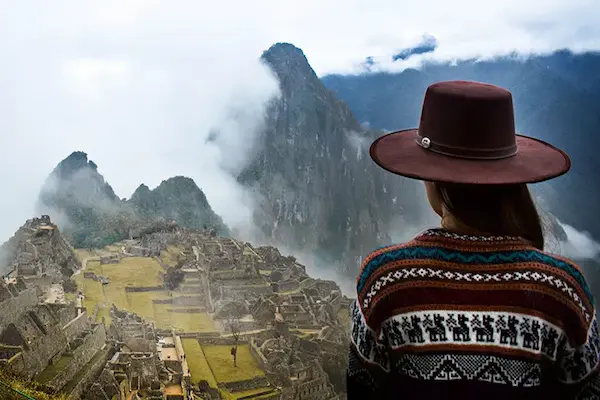
If you’ve made it this far, then you’ve already learned how to plan a route to Cusco so now we encourage you to visit this incredible city. Now that you know how to prepare the perfect trip, you won’t miss a single detail. It’s clear that we’re ready to travel.
Dare to experience not only the magic of Cusco, but also the magic found in every route that offers a sense of mysticism and unique adventure.