The traditional dances of Peru are much more than simple choreographies they’re an open window into the soul of the country. If you’re planning a trip to Peru, get ready for more than just breathtaking landscapes or ancient ruins. Here, music and dance aren’t just entertainment; they’re a way of telling stories.
The traditional dances of Peru are the heartbeat of its festivals, the living expression of its people, and one of the most authentic experiences any traveler can witness. From the lively footwork along the coast to the colorful spins of the highlands, every step carries centuries of tradition and emotion.
You might also be interested in reading: Ayahuasca: History, Meaning, and Spiritual Practices in Peru
Why are the traditional dances of Peru so important?
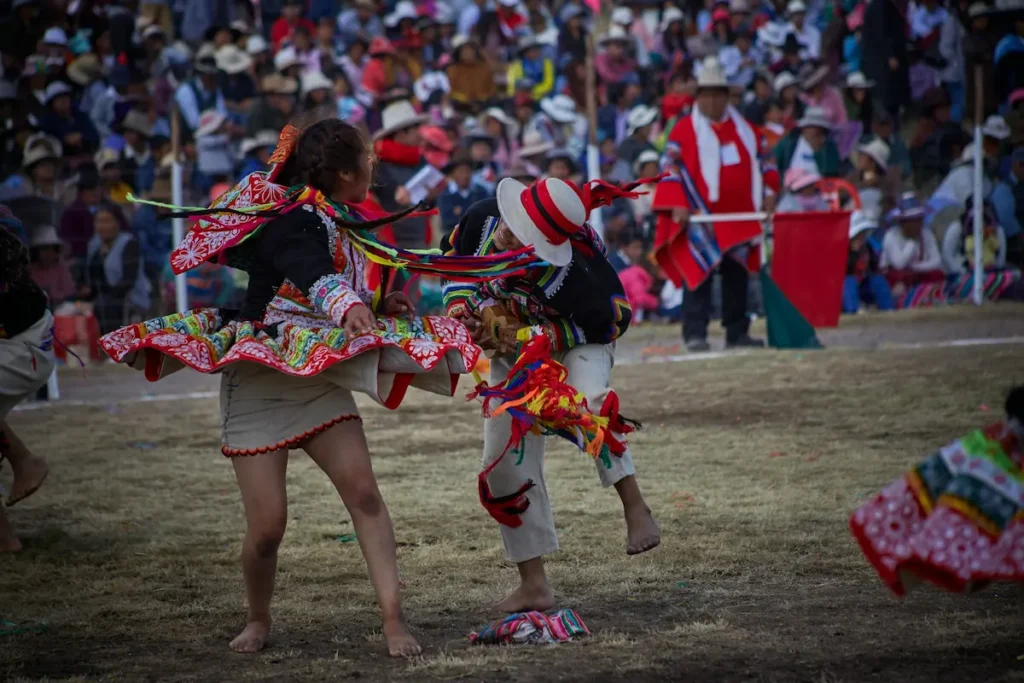
In Peru, dancing isn’t just an option, it’s almost a need of the soul. Every region and every town has its own rhythm, its own steps, and distinctive clothing. These dances don’t just accompany celebrations; they tell stories of love, hard work, resistance, and faith. Watching them live feels like reading a history book but one written with guitars, flutes, and smiles.
From the elegant sway of the marinera along the coast to the powerful jumps of the huayno in the Andes, the traditional dances of Peru perfectly reflect the country’s cultural diversity. Each region leaves its own mark: the coast is flirtatious, the highlands are heartfelt, and the jungle is pure energy. Together, they form a colorful portrait of the most diverse country in South America.
You might also be interested in reading: Why December in Peru Feels Like a Celebration of Life
Main traditional dances of Peru by Region
Peru’s folklore is as diverse as its geography, and the traditional dances of Peru are the best way to understand that richness. Each region has its own rhythm, costumes, and symbols, turning the entire country into a grand stage full of life, color, and tradition.
Traditional dances of the Peruvian Highlands
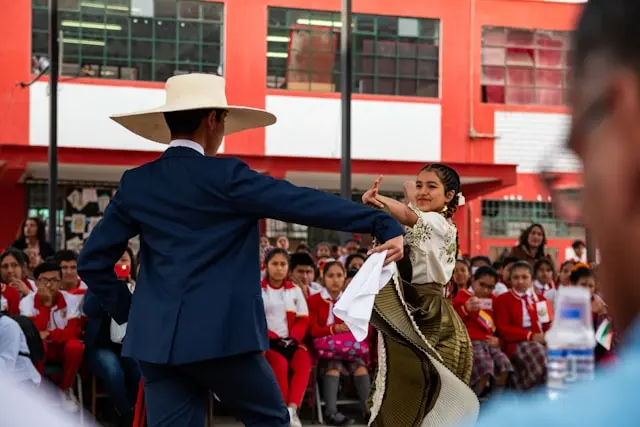
Marinera Serrana
Unlike the coastal version, the Marinera Serrana has a more melancholic and gentle rhythm. It’s danced with hats and handkerchiefs, portraying the graceful courtship between a man and a woman. If you visit Huancayo or Ayacucho, don’t miss it. Each movement tells a love story to the sound of guitar and harp.
You might also be interested in reading: How to go to Machu Picchu from Lima
Huayno
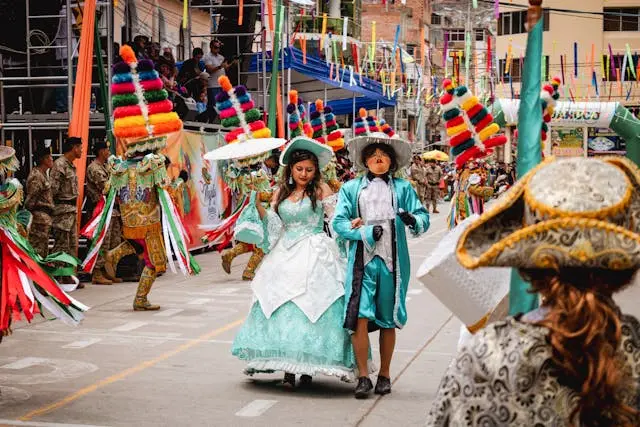
This dance is the soul of the Andes. Its lyrics speak of daily life, work, and love, with melodies that can make you dance and cry at the same time. In Cusco, Puno, or Huancavelica, listening to a Huayno is like feeling the heartbeat of the mountains. Without a doubt, it’s one of the traditional dances of Peru most deeply rooted in the identity of its people.
Santiago and Cajamarca carnival dance
In February, Cajamarca completely transforms. With drums, whistles, and splashes of paint everywhere, locals dance the Santiago to give thanks for the harvest and celebrate life. It’s impossible not to get swept up in the joy and rhythm of this highland celebration one of the most spirited among the traditional dances of Peru.
Traditional dances of the Peruvian Coast
Marinera Norteña
Elegant, romantic, and full of playful charm, this is the most representative dance of Peru. Trujillo is its birthplace, and every January the city hosts the National Marinera Contest, where the best dancers showcase graceful steps filled with flirtation, rhythm, and national pride.
Festejo
Born from Afro Peruvian culture, the Festejo is pure energy and joy. Drums, cajones, and vibrant footwork set the rhythm as dancers fill the stage with contagious happiness. Watching it live in Chincha or Lima is an experience that gives you goosebumps a celebration of freedom and resilience through movement.
Tondero
Originating in Piura, the Tondero is a close relative of the Marinera, but with a more spontaneous and emotional tone. Its steps mimic the gallop of horses and the desert breeze, blending Spanish, Indigenous, and African traditions. A true poem in motion, it symbolizes the spirit, freedom, and strength of northern Peru within the vast world of the traditional dances of Peru.
You might also be interested in reading: New Year in Peru: Celebrate the arrival of 2026
Traditional dances of the Peruvian Jungle
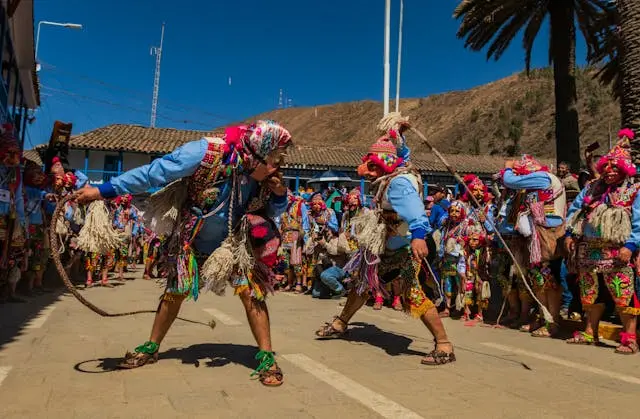
Danza de los Shapis
This dance represents the daily life of the people from the Mantaro Valley. Its colorful costumes and grotesque masks symbolize the constant duality between good and evil. Energetic, joyful, and deeply symbolic, it’s one of the most vibrant and entertaining expressions among the traditional dances of Peru.
Pandilla Amazónica
The Pandilla Amazónica takes center stage during the San Juan festivities in June. Men and women dance hand in hand around a decorated tree filled with gifts, which is eventually brought down amid laughter, music, and celebration. If you visit Tarapoto, get ready to move non stop. This dance embodies the Amazon’s joy and community spirit.
Anaconda or River Dance
Inspired by the spirits of the jungle, this dance combines mysticism, nature, and strength. The dancers’ fluid movements mimic the flow of water, symbolizing the deep connection between humans and the Amazon rainforest. Watching it is a reminder that the traditional dances of Peru also express reverence for nature and the spirituality of the Amazonian world.
You might also be interested in reading: 7 Things to visit in Cusco
Festivals where you can experience the traditional dances of Peru
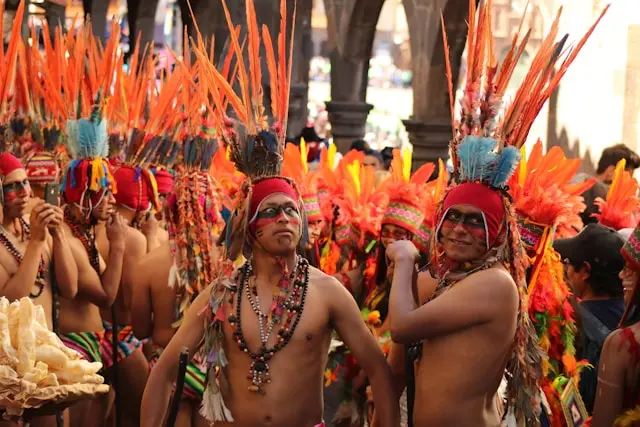
Traveling through Peru isn’t just about visiting places it’s about immersing yourself in its celebrations. Every region has its own calendar of festivities where music and movement come to life. The traditional dances of Peru aren’t learned in classrooms; they’re lived in the streets, surrounded by dazzling costumes, synchronized steps, and a collective energy that’s impossible to describe.
Inti Raymi in Cusco
Every June 24th, Cusco relives the most impressive ritual of the Inca Empire: Inti Raymi, the Festival of the Sun. This monumental event pays tribute to the god Inti, the source of life and fertility for the ancient Peruvians. On the vast grounds of Sacsayhuamán, hundreds of actors and dancers reenact the ancestral ceremony dressed in vibrant colors, accompanied by the sound of flutes and drums, performing dances that represent the various peoples of the ancient Inca world.
Watching the Inti Raymi live is an overwhelming experience, feeling the drums echo through the valley, seeing the fire rise before the “Inca,” and hearing chants in Quechua is like stepping back in time. Without a doubt, it’s one of the most unforgettable ways to witness the traditional dances of Peru in their most spiritual and majestic form.
You might also be interested in reading: The 10 best luxury hotels in Cusco
Cajamarca Carnival
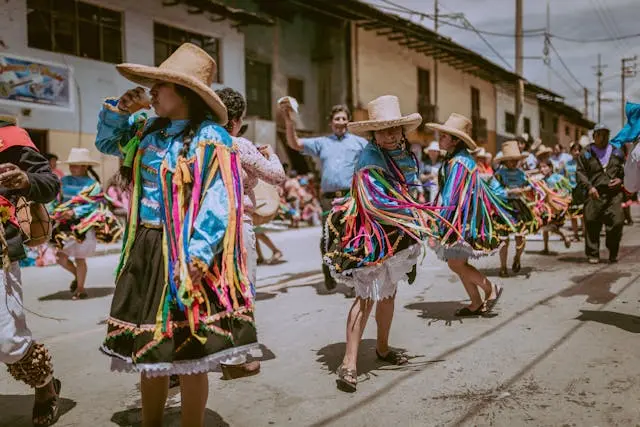
If you love boundless joy, mark February on your calendar. The Cajamarca Carnival, known as “the happiest carnival in Peru,” lives up to its name. For several days, the streets fill with parades, songs, live music, and bursts of color plus plenty of paint and water. The whole city becomes a giant party where no one stays clean or bored.
Among the most iconic dances are the Carnaval Cajamarquino and the Santiago traditional dances of Peru that symbolize fertility, gratitude, and the unity of local communities. Everyone joins in children, adults, and tourists turning dance into the universal language of celebration. If you’re passionate about culture, this is one of the best opportunities to enjoy the most joyful and contagious traditional dances of Peru in their natural setting.
Fiesta de la Candelaria in Puno
Every February, the city of Puno transforms into the capital of Peruvian folklore. More than 40,000 dancers and musicians take to the streets in honor of the Virgin of the Candelaria, the patron saint of the highlands. It’s the perfect mix of faith, devotion, and pure joy.
Over the course of two weeks, you can admire more than 200 traditional dances of Peru, including the Diablada Puneña, Morenada, Caporales, and Saya, which beautifully blend Indigenous, Spanish, and African influences. The energy is indescribable: golden embroidered costumes, shining masks, and the constant beat of drums and flutes create a spectacle that gives you goosebumps.
It’s no wonder the Fiesta de la Candelaria was declared an Intangible Cultural Heritage of Humanity by UNESCO in 2014. Attending it is the best way to understand why Peru’s folk art remains so alive and powerful.
Independence Day and local celebrations
On July 28th and 29th, the entire country celebrates its independence with a display of culture that includes school parades, food festivals, and traditional performances. In every plaza, guitars, drums, and flutes invite you to dance Marinera, Huayno, and Festejo.
In Trujillo, the Marinera Norteña takes the spotlight; in Ayacucho, traditional farmer dances fill the streets; and in Lima, parks host open-air performances all day long. There’s no better time to see the traditional dances of Peru come together and feel the pride of belonging even for a few days to such a diverse and vibrant nation.
And beyond these major festivals, every community celebrates its own patron saint festivities, where travelers are always welcome. If you venture off the typical tourist routes, you’ll discover small-town celebrations where the dances preserve their ancestral essence, and locals happily invite you to join the party.
Tips for travelers who want to experience the traditional dances of Peru in person
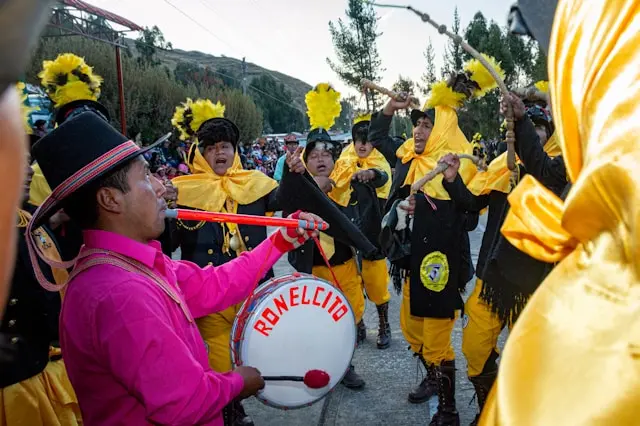
Traveling to Peru without immersing yourself in its festivals is like visiting Italy and not tasting the pasta. If you really want to feel the country’s essence, you have to see, listen to, and dance its traditions. The traditional dances of Peru are an open doorway to connect with the history and joy of its people. Here are some tips to make your experience unforgettable and one hundred percent authentic.
When to travel to see the main dances
Peru’s folkloric calendar never takes a break. Every month, somewhere in the country, there’s a celebration where dance steps set the rhythm of daily life. But if your goal is to experience the most iconic ones, mark these key dates:
- February: Perfect for the Cajamarca Carnival and the Candelaria Festival in Puno two celebrations that couldn’t be more different, yet equally intense.
- June: Cusco shines with the Inti Raymi, Corpus Christi, and other rituals that display the Andean spirit at its fullest.
- July: During Independence Day festivities, the whole country bursts with music and color. You’ll see Marinera, Festejo, and Huayno performances in nearly every plaza.
- August to November: These months are ideal for enjoying patron saint festivals in the Andes and the Amazon, with fewer tourists and more genuine community experiences.
If you plan your trip around these dates, you won’t just see breathtaking landscapes, you’ll have the chance to join events where the traditional dances of Peru come alive through laughter, colorful costumes, and ancestral sounds.
Travel tip: If you’re heading to high altitude destinations like Cusco or Puno, give yourself a couple of days to acclimate before the festivities. That way, you’ll be able to dance and enjoy without the famous soroche (altitude sickness).
Where to find authentic performances (and not just tourist shows)
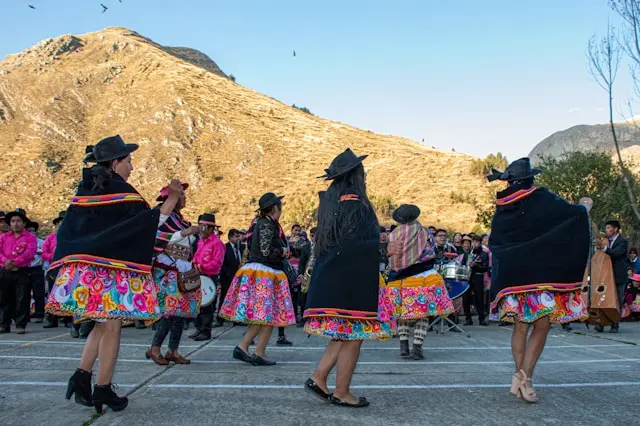
While cities like Cusco, Lima, or Arequipa offer daily folklore shows perfect for a quick introduction, the real magic happens in the small towns. There, the traditional dances of Peru aren’t “performances”; they’re part of everyday life.
- In Cusco, visit the Centro Qosqo de Arte Nativo, the oldest folkloric group in the country, where the presentations remain true to their traditional roots.
- In Ayacucho, local towns celebrate religious festivals with dances such as the Scissors Dance and the Ayacucho Carnival, both rich in symbolism and remarkable skill.
- In Puno, beyond the famous Candelaria Festival, there are cultural events throughout the year perfect for those who want to see authentic costumes and choreographies without the crowds.
- In the Amazon jungle, the San Juan festivals (held in June) in Tarapoto or Iquitos let you enjoy the Pandilla Amazónica in its natural setting by the river, to the rhythm of drums and laughter.
Extra tip: Always ask the locals. They know when a patron saint festival or a special celebration is about to take place. Often, the best events aren’t found online, but through a friendly chat at the market.
How to take part in a culturally responsible experience
The traditional dances of Peru are not just a show they’re a living expression of each community’s identity. If someone invites you to dance, accept the invitation with joy, but also with respect.
- Ask before recording or taking photos. Some dances carry deep spiritual meaning and shouldn’t be interrupted by flashes or cameras.
- Support the local economy. Buy handmade crafts or embroidered clothing directly from artisans, and join tours organized by local communities or certified guides.
- Respect the timing and space. If you come across a ceremony or procession, watch quietly without stepping into the area reserved for dancers or musicians.
- Learn a few steps. Many groups offer short workshops in dance or music. Not only is it fun, but you’ll also be helping to keep the tradition alive.
Conscious traveler tip: Responsible tourism isn’t just about watching it’s about connecting. Every smile, every round of applause, and every act of respect strengthens the bond between visitors and the communities that have kept the traditional dances of Peru alive for centuries.
Cultural and economic impact of peruvian folklore
Preserving tradition and supporting local communities
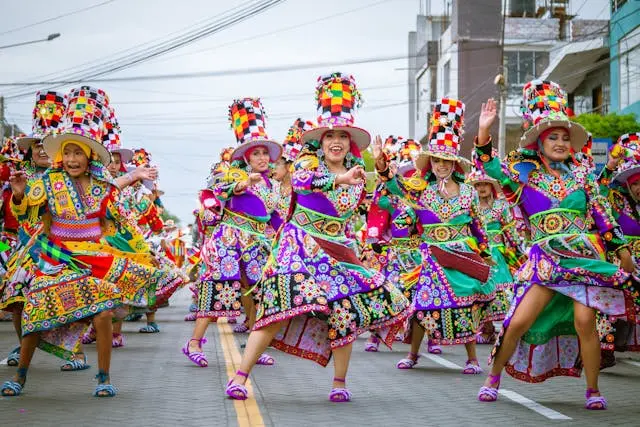
Every time you attend a traditional dance performance or buy an embroidered garment, you’re helping keep these customs alive. Many dance groups are community associations that rely on cultural tourism to sustain their art and pass it on to younger generations. Supporting them means contributing directly to the preservation of the traditional dances of Peru and the livelihoods of the people who dedicate their lives to keeping this heritage vibrant.
Traditional dances of Peru as a sustainable tourist attraction
Cultural tourism is one of the most respectful ways to experience a country. Instead of simply observing, it invites you to feel, dance, and understand. The traditional dances of Peru serve as a bridge between travelers and history between the ancestral and the contemporary offering an experience that’s as enriching for the visitor as it is empowering for the communities who share it.
A Journey to the heart of Peru through its dances
Visiting Peru without witnessing its dances would be like going to Paris without admiring the Eiffel Tower or traveling to Mexico without tasting a taco. The traditional dances of Peru are the purest language through which the country tells its story a story of faith, joy, and resilience. Every step, every melody brings you closer to the soul of its people: cheerful, strong, and deeply connected to their land.
Behind every movement lie centuries of heritage a beautiful blend of cultures coming together: Andean wisdom, African strength, European elegance, and Amazonian energy. Watching these performances is to understand that Peru isn’t just a country you visit; it’s a country you feel. It expresses itself through its feet, its spirit, and a smile that invites you to join the dance.
So the next time you hear the sound of a quena flute or the rhythm of a cajón, don’t hesitate stand up and dance. You might not get all the steps right, but you’ll experience something far more important: a connection with a people who have turned their history into art.
Because in Peru, dancing isn’t just a tradition it’s a way of living. And when you dance, even for a few minutes, you too become part of its story.