
Peru has become one of the most important gastronomic destinations in the world, and its culinary identity is celebrated through a wide variety of festivals that bring together tradition, innovation, and cultural heritage. The Peru food festival scene is not only a showcase of iconic dishes, but also a reflection of the country’s history, biodiversity, and regional diversity. From large international events in Lima to traditional celebrations in the Andes and the Amazon, each festival offers a unique way to experience Peruvian cuisine beyond restaurants.
In 2026, the calendar of gastronomic events in Peru promises to be more vibrant than ever. Travelers, food lovers, and culinary professionals will find opportunities to explore local flavors, meet renowned chefs, discover ancestral cooking techniques, and connect with communities that preserve their culinary traditions. Attending a Peru food festival is not just about tasting food; it is about understanding the soul of Peru through its ingredients, stories, and people.
This guide presents the top festivals that will shape the gastronomic landscape of Peru in 2026, highlighting why each event is worth visiting and how it contributes to the country’s global culinary reputation. Whether you are planning a trip or simply looking to explore Peruvian gastronomy in depth, this selection of the best Peru food festival events will help you discover unforgettable experiences and authentic flavors across the country.
The global recognition of Peruvian cuisine is not a coincidence. It is the result of centuries of cultural fusion, biodiversity, and creativity that have shaped a culinary identity unlike any other. A Peru food festival stands out because it combines ancestral knowledge with contemporary gastronomy, creating experiences that go far beyond tasting dishes. Each event becomes a cultural encounter where history, geography, and innovation meet on the same table.
What makes a Peru food festival truly unique is the diversity of ingredients and culinary traditions represented in a single space. Peru is one of the most biodiverse countries in the world, with ecosystems ranging from the Pacific coast to the Andes and the Amazon rainforest. This diversity translates into thousands of native products, such as potatoes, corn varieties, Amazonian fruits, and marine species, all of which play a central role in gastronomic festivals. As a result, every festival offers a journey through multiple regions and flavors without leaving the venue.
Another distinctive aspect of a Peru food festival is the strong connection between food and identity. Many festivals are deeply linked to local communities, traditional rituals, and regional celebrations. Chefs, farmers, fishermen, and artisans actively participate in these events, sharing not only their recipes but also their stories and traditions. This human dimension transforms each festival into an authentic cultural experience, making Peru one of the most exciting destinations for culinary tourism in 2026.
The origins of many gastronomic festivals in Peru are closely tied to pre-Hispanic civilizations, colonial influences, and migratory movements from Europe, Africa, and Asia. This historical mix has created a unique culinary heritage that is celebrated in every Peru food festival. Traditional dishes such as ceviche, pachamanca, anticuchos, and Amazonian specialties are not only recipes but symbols of cultural continuity that have been preserved and reinvented over time.
In many regions, festivals coincide with agricultural cycles, religious celebrations, or seasonal harvests. This means that food is not presented as a commercial product, but as part of a living tradition. Attending a Peru food festival allows visitors to understand how gastronomy is connected to nature, spirituality, and community life, which explains why Peruvian culinary events have gained international prestige and emotional value for travelers.
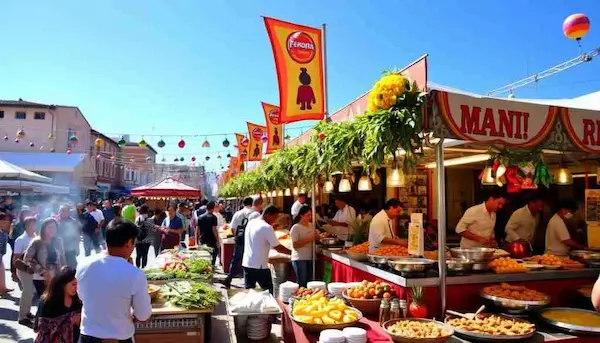
In recent years, culinary tourism has grown significantly, and Peru has positioned itself as one of the most attractive destinations for travelers seeking authentic gastronomic experiences. In 2026, this trend will continue to strengthen, driven by the increasing popularity of the Peru food festival scene, which attracts both international visitors and local travelers eager to explore the country through its flavors.
A Peru food festival is no longer just a local event; it has become a strategic platform for promoting Peruvian culture, tourism, and identity. Many travelers now plan their trips based on gastronomic calendars, choosing dates and destinations according to the most important festivals of the year. This phenomenon has transformed food festivals into key drivers of tourism, generating economic opportunities for communities, restaurants, producers, and tour operators across the country.
The year 2026 is expected to be particularly dynamic for gastronomic events in Peru. With more international participation, innovative culinary proposals, and a growing interest in sustainable and local cuisine, the Peru food festival experience will offer a richer and more diverse perspective of Peruvian gastronomy. From large-scale festivals in Lima to regional celebrations in Cusco, Arequipa, and the Amazon, each event will contribute to consolidating Peru as a global culinary destination.
One of the main reasons why a Peru food festival attracts international travelers is the reputation of Peruvian cuisine on the global stage. Peruvian restaurants consistently rank among the best in the world, and renowned chefs have become ambassadors of the country’s gastronomy. This international recognition creates curiosity and motivates travelers to experience Peruvian food in its original context, directly at the festivals where traditions and innovation coexist.
Moreover, many visitors combine their gastronomic experiences with cultural and historical exploration. Festivals are often integrated into travel itineraries that include archaeological sites, natural landscapes, and urban experiences. This synergy between gastronomy and tourism makes the Peru food festival an essential element of the modern travel experience in Peru, especially for those seeking meaningful and immersive journeys.
Peru’s gastronomic calendar is filled with events that celebrate the country’s culinary diversity, from world-famous festivals to local celebrations that preserve ancestral traditions. Each Peru food festival has its own identity, flavors, and cultural meaning, making every event a unique experience for travelers and food lovers. Below, you will discover the most important festivals to experience in 2026 and why they stand out in the Peruvian culinary scene.
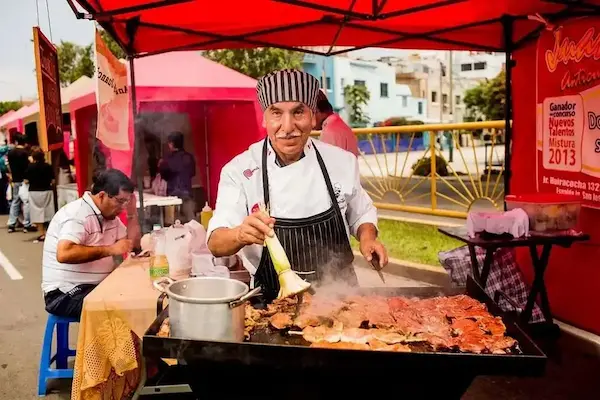
Mistura is the most iconic Peru food festival, held in the Magdalena district of Lima. This festival brings together chefs, restaurants, street vendors, and local farmers from across the country. Visitors can enjoy a vibrant atmosphere of tasting, workshops, and live demonstrations that showcase Peru’s rich culinary heritage while emphasizing sustainable sourcing practices.
Celebrated in early February, the Virgen de la Candelaria festival in Puno is a fusion of religious tradition, music, dance, and gastronomy. The streets are filled with stalls offering local highland specialties, making it a unique Peru food festival where culture and cuisine intertwine. Visitors can immerse themselves in Andean rituals while tasting authentic regional flavors.
Arequipa, also known as the “White City,” hosts food festivals in districts like Yanahuara and Sachaca, celebrating local recipes and heritage. Chefs, producers, and artisans showcase the region’s culinary richness, from traditional picanterías to modern interpretations of classic dishes. Visitors can explore both urban and cultural landscapes while enjoying Peru’s southern flavors.

Cusco, the historic heart of Peru, hosts multiple culinary events throughout the year, mainly around the Plaza de Armas. Festivals highlight Andean cuisine, native ingredients, and contemporary interpretations of ancestral recipes. Travelers can enjoy cooking demonstrations, tastings, and cultural performances that connect food with Cusco’s rich heritage.
The Amazonian food festival takes place in Iquitos and Puerto Maldonado, showcasing jungle ingredients, indigenous recipes, and local culinary traditions. Visitors can discover the richness of the rainforest through hands-on tastings and workshops, enjoying flavors unique to the Amazon. This festival is a must for travelers seeking an authentic Peru food festival experience in a natural setting.
Lima’s street food festival, held in districts like Miraflores and Barranco, celebrates the city’s everyday cuisine. From markets to food trucks, visitors can explore local flavors, watch cooking demonstrations, and interact with vendors. This casual yet vibrant Peru food festival allows travelers to experience the authentic culinary culture of Peru’s capital.
Trujillo hosts northern culinary festivals in the city center, featuring coastal and Andean-influenced dishes. Visitors can enjoy cooking contests, tastings, and cultural activities while discovering bold regional flavors. This festival highlights the rich diversity of northern Peru and its contribution to the Peru food festival scene.
Chiclayo celebrates northern coastal cuisine with events in the city center and Mercado Modelo. The festival showcases fresh seafood, local recipes, and culinary traditions passed down through generations. Travelers can interact with chefs and producers while tasting dishes that define the region’s gastronomic identity.
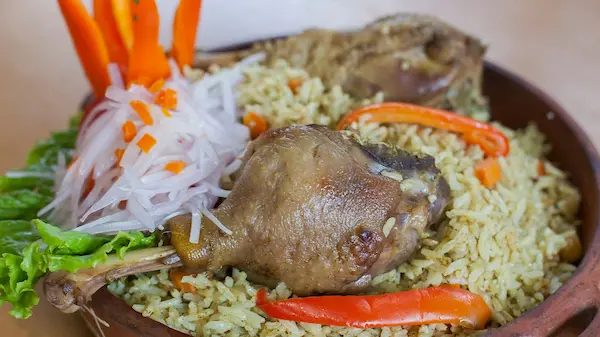
Cajamarca’s festivals, held in central plazas and surrounding rural communities, celebrate highland cuisine and dairy-based specialties. Visitors can experience rural culinary practices, interact with local producers, and taste authentic Andean dishes that reflect centuries of tradition. This festival is a more intimate Peru food festival experience connecting food with culture.
National gastronomy week takes place in cities like Lima, Cusco, Arequipa, and Trujillo, offering a comprehensive experience of Peru’s culinary diversity. Cooking demonstrations, tastings, and cultural activities allow travelers to explore multiple regional cuisines. This nationwide Peru food festival is perfect for those seeking a panoramic view of Peruvian gastronomy in one trip.
Experiencing a Peru food festival in 2026 is more than just tasting food; it is an opportunity to immerse yourself in Peru’s rich culture, history, and traditions. These festivals bring together local communities, chefs, and artisans, allowing travelers to witness the culinary diversity of the country firsthand. From the coastal ceviches of Lima to the highland pachamancas of Cusco and Cajamarca, each festival offers a unique story told through flavors, techniques, and ingredients.
Attending a Peru food festival also allows you to connect with local producers, discover native ingredients, and understand how regional culinary practices have evolved over centuries. These events often feature workshops, cooking demonstrations, and tasting sessions, providing a hands-on experience for travelers eager to learn and participate. Beyond food, festivals offer cultural performances, music, and art, making each visit a fully immersive experience that combines gastronomy and heritage.
Moreover, 2026 offers a unique chance to enjoy these events with fewer crowds compared to peak seasons. Travelers can plan their visits strategically, participate in interactive activities, and gain deeper insights into Peruvian cuisine and lifestyle. Whether you are a food enthusiast, a cultural explorer, or someone seeking an authentic travel experience, a Peru food festival provides memories and flavors that will last a lifetime.
Planning your visit to a Peru food festival requires some preparation to make the most of the experience. Start by researching the festival dates, locations, and featured dishes to prioritize the events that interest you most. Consider transportation options, as many festivals take place outside major cities or in rural areas. Booking early accommodations and festival tickets ensures you won’t miss out, especially for popular events like Mistura in Lima or the Virgen de la Candelaria in Puno.
When traveling between regions, be mindful of Peru’s diverse geography. Coastal areas like Lima, Trujillo, and Chiclayo have a completely different climate than the highlands of Cusco, Cajamarca, or Puno, so packing layered clothing is essential. If you plan to explore the jungle during an Amazonian Peru food festival in Iquitos or Puerto Maldonado, include insect repellent, light rain gear, and comfortable shoes for jungle excursions. Preparing ahead ensures that you can fully enjoy both the food and the cultural experiences of each festival.
For travelers seeking guided experiences, it’s highly recommended to include specialized tours to complement your festival visits. For example, lima tours can combine culinary exploration with cultural landmarks in the capital, while gastronomic travel programs provide insider access to chef workshops, local markets, and cooking demonstrations. Similarly, experience travel tours offer curated itineraries that take you to multiple festivals across the country, allowing a seamless journey through Peru’s diverse gastronomic landscape. Integrating these services ensures you gain deeper knowledge, exclusive tastings, and hassle-free logistics.
If it’s your first time attending a Peru food festival, there are a few strategies to make the experience memorable. Arrive early to avoid long lines and take time to explore all food stalls, workshops, and demonstrations. Sampling a variety of dishes is highly recommended, as it provides a complete understanding of each region’s culinary identity. Festivals often include live music, dances, and artisan markets, so planning enough time to enjoy the cultural components enhances your visit.
Bring cash in local currency, as many stalls in smaller towns or remote festivals may not accept cards. Stay hydrated and be mindful of altitude in highland regions such as Cusco or Cajamarca, where dishes like pachamanca or cuy may be best enjoyed slowly while acclimatizing. Additionally, respectful interaction with local chefs and producers can lead to unique opportunities, like behind-the-scenes cooking sessions or learning the history of traditional recipes directly from those who make them.
Finally, document your experiences with photos and notes, but always respect the communities and their traditions. By following these tips, first-time visitors can fully immerse themselves in the culinary, cultural, and social aspects of each Peru food festival, creating unforgettable memories and a deeper appreciation for Peru’s gastronomic heritage.
For travelers wanting a more structured journey, booking guided experiences is an excellent way to maximize your time and learn from experts. Lima tours often include visits to the city’s best street food areas, local markets, and renowned restaurants, combining sightseeing with a full gastronomic adventure. If your focus is purely culinary, gastronomic travel packages allow access to workshops, tastings, and insider events at top festivals, providing knowledge about Peruvian ingredients, cooking techniques, and regional specialties.
For those planning a multi-city itinerary, experience travel tours curate personalized schedules, ensuring you can attend Mistura, Cusco gastronomy events, northern festivals in Trujillo and Chiclayo, and Amazonian food celebrations in Iquitos without missing key activities. These tours also handle transportation, accommodations, and local guides, making it easier to navigate the country’s diverse regions and festival logistics. Whether you are a food enthusiast or a cultural traveler, booking specialized tours enhances your Peru food festival experience and ensures you see and taste the very best Peru has to offer.
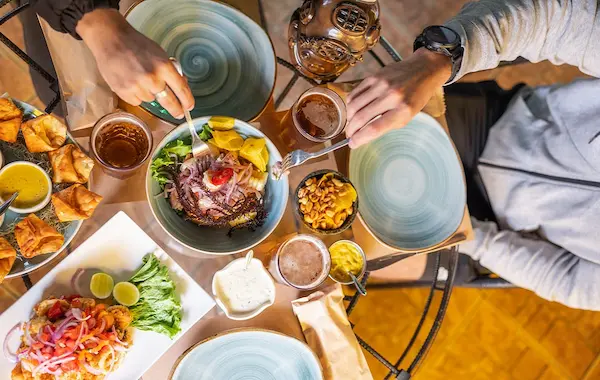
Attending a Peru food festival in 2026 is an unforgettable way to explore the country’s culinary richness, cultural heritage, and regional diversity. From iconic events like Mistura in Lima to local highland and Amazonian festivals, each experience combines food, tradition, and community engagement. By planning carefully, following practical tips, and using guided services like lima tours, gastronomic travel, and experience travel tours, travelers can maximize their enjoyment, learn about authentic Peruvian cuisine, and create memories that last a lifetime.
Whether you are sampling street food in Lima, tasting seafood in Chiclayo, or exploring Andean specialties in Cusco and Cajamarca, a Peru food festival is a journey for all senses, offering flavors, colors, and experiences that define Peru as one of the world’s top culinary destinations. 2026 is the perfect year to plan your festival adventure and discover why Peru’s gastronomic scene is celebrated globally.