Traveling to Peru means discovering unique landscapes, world-class gastronomy, and of course, the country’s national spirit: pisco. Among the experiences that no traveler or lover of fine spirits should miss, pisco tasting holds a special place. It’s not just about drinking it’s about uncovering aromas, flavors, and sensations that tell the story of a nation through every glass.
In this post, I’ll share what a pisco tasting is, how to experience it step by step, the types of pisco you can’t miss, the best food pairings, and the ideal places to enjoy it in Peru.
You might also be interested in reading: October in Peru 2025: Festivals, culture and the best weather
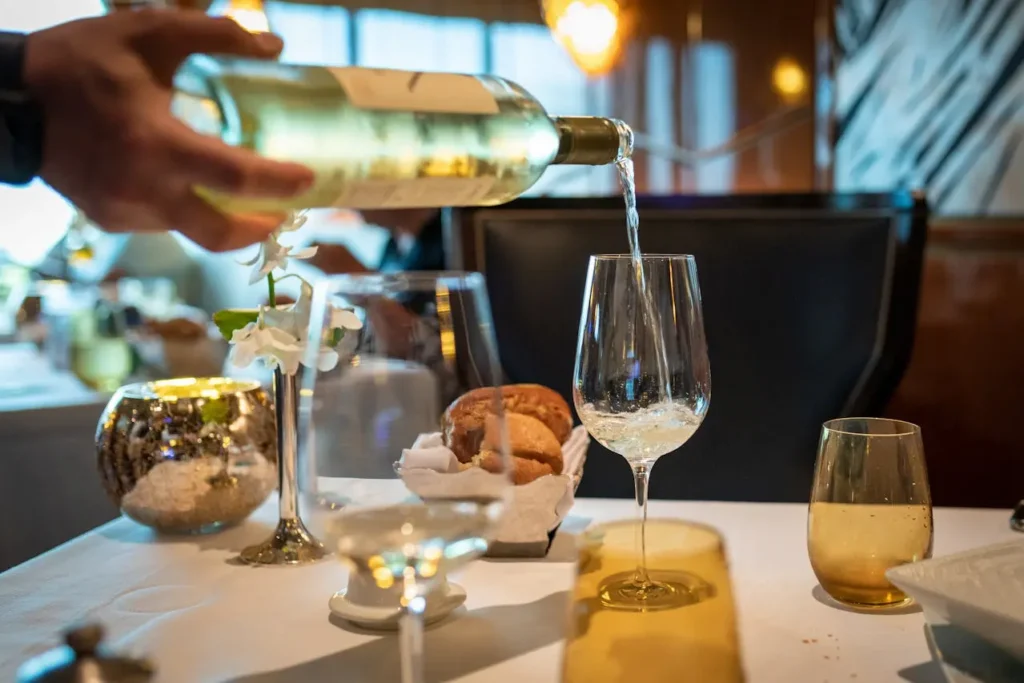
What Is a pisco tasting and why experience it in Peru?
A pisco tasting is much more than trying a spirit. It’s a sensory journey where you appreciate its character through sight, smell, and taste. Every glass reveals the richness of the grapes, the precision of the distillation process, and the passion of those who keep this tradition alive.
Experiencing it in Peru means understanding the country’s identity. Pisco is not just a drink; it is culture, pride, and a symbol of hospitality. Whether in a traditional vineyard in Ica or a lively peña in Lima, a pisco tasting becomes a ritual where time slows down, allowing you to savor the true essence of Peru.
History and origin of peruvian pisco
Pisco’s roots trace back to the 16th century, when the Spanish introduced grapevines to Peruvian soil. Over time, distillation techniques evolved, creating a unique spirit renowned for its purity and quality. Its name comes from the port of Pisco, on the southern coast, from where it was shipped to the world.
Today, pisco is produced mainly in the regions of Lima, Ica, Arequipa, Moquegua, and Tacna, following strict processes that give it a recognized denomination of origin. It’s no coincidence that it has been declared a Cultural Heritage of the Nation and that Peru proudly celebrates both National Pisco Day and Pisco Sour Day every year.
To talk about pisco tasting is to talk about centuries of history, tradition, and a legacy passed down from generation to generation.
You might also be interested in reading: The 14 best things to do in Ica
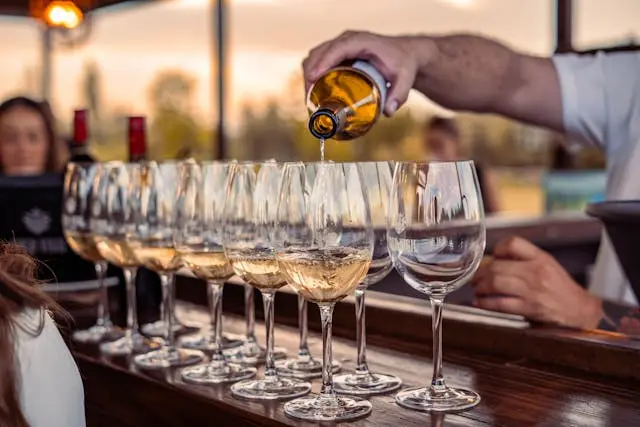
How to do a pisco tasting
Preparation
Before you begin, set the scene. A pisco tasting calls for focus and calm because each stage engages a different sense. Choose a well-lit space, free from distracting smells (no perfume or strong food aromas). Use clear, fine crystal glasses ideally tulip/ISO tasting glasses or white wine stems as they help you appreciate visual nuances and concentrate the aromas.
Detailed tasting steps
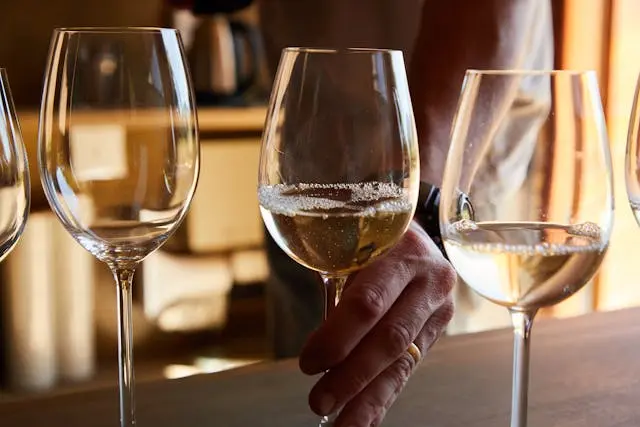
Visual assessment: Hold the glass up to the light. Pisco should be perfectly clear, with no bubbles or sediment. Look for the so called “tears” or “legs”: after a gentle swirl, tiny streams slide slowly down the glass an indicator of body and texture.
Olfactory analysis: Bring the glass to your nose without over swirling. The first impression is often intense; breathe in softly and notice how the bouquet evolves fruity notes like apple or banana (Quebranta), floral hints such as jasmine or orange blossom (Italia, Torontel), and even herbal touches in less common varieties. Each grape offers a distinct aromatic profile that enriches the experience.
On the palate: Take a small sip and let the pisco travel across your tongue. First comes the attack, then the mid-palate where flavors unfold (the body), and finally the finish or aftertaste. Great piscos linger with an elegant, long finish that invites another exploratory sip.
Common mistakes to avoid
- Serving it too cold or too hot (aim for 18–20 °C / 64–68 °F).
- Using inappropriate glasses that mute the aromas.
- Eating very strong or spicy foods right before the tasting, which can skew perception.
A pisco tasting is an exercise in patience and attention to detail every step matters.
You might also be interested in reading: What to do in Arequipa: 6 places you must visit
Types of pisco you can’t miss in a pisco tasting
Peruvian pisco has eight grape varieties officially recognized as uvas pisqueras, and each one brings distinct characteristics. Knowing them is key to enjoying a complete pisco tasting.
Pisco Puro
Made from a single grape variety. Among the most popular are:
- Quebranta: Dry, with soft fruity notes. The most classic and representative.
- Negra Criolla: More robust, with sweet aromas and a marked aftertaste.
- Mollar: Smooth, with light fruity touches.
- Uvina: Less common, with herbal notes and a slightly bitter finish.
Aromatic pisco (within the “Puro” category)
This group highlights the most fragrant grapes:
- Italia: Sweet and fruity, with fresh grape and floral aromas.
- Torontel: Highly aromatic, with hints of tropical fruits and spices.
- Moscatel: Delicate and floral, with an elegant, lingering finish.
- Albilla: Balanced, with subtle fruit notes and refreshing character.
Pisco Mosto Verde
Produced from partially fermented must, resulting in a silkier spirit with greater aromatic complexity. Considered one of the finest expressions of pisco, it is often reserved for special tastings.
Pisco Acholado
A blend of two or more grape varieties. Its versatility makes it ideal for both guided tastings and cocktails. Depending on the grapes used, it can be softer or more intense, but it always maintains a harmonious balance of aromas and flavors.
Each of these varieties allows for a different pisco tasting experience. The best approach is to start with the single varietal piscos to understand each grape’s personality, and then move on to an acholado, where profiles merge beautifully.
The perfect pairing in a pisco tasting
A true pisco tasting experience wouldn’t be complete without the right food pairing. Thanks to its versatile character, pisco matches beautifully with a wide range of flavors:
- Savory dishes: Anticuchos, causa limeña, or ceviche enhance the freshness and strength of the spirit.
- Sweet treats: Picarones, alfajores, and the classic suspiro a la limeña contrast with pisco’s alcoholic intensity and highlight its sweeter notes.
- Cheese and nuts: Excellent companions for more aromatic piscos like Italia or Torontel.
Pairing not only balances flavors, it also helps uncover new sensations in every sip, making the pisco tasting richer and more memorable.
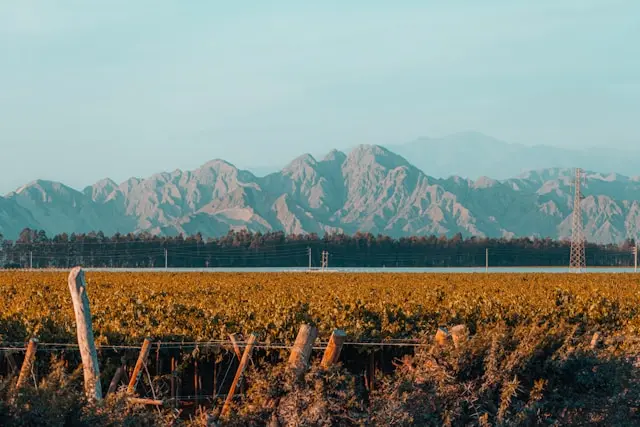
Best places to experience a pisco tasting in Peru
Vineyards in Ica
The city of Ica is considered the capital of pisco. Here you can tour both traditional and modern wineries, stroll through vineyards, and take part in tastings guided by experts. Estates such as Tacama, Ocucaje, and Vista Alegre offer complete experiences that include history, production processes, and a final pisco tasting.
Barranco and Lima
In Lima especially in Barranco and the Historic Center you’ll find countless taverns and specialized bars where a pisco tasting becomes a unique nighttime experience. You can pair your glass with live criolla music or enjoy it alongside a traditional Peruvian dish.
Pisco events and festivals
Throughout the year, Peru hosts fairs and festivals dedicated to its national spirit. October and July are particularly lively months, thanks to the celebrations of National Pisco Day. Joining one of these events means immersing yourself in the festive atmosphere that surrounds the country’s most emblematic drink.
Practical tips for your first pisco tasting
A pisco tasting can be as simple or as sophisticated as you want. To get the most out of the experience, here are some useful tips:
- Enjoy the process: It’s not about drinking quickly. A tasting is slow and detailed; take time to observe, smell, and savor.
- Order of tasting: Start with lighter piscos (like Quebranta or Albilla) and finish with the more intense ones or an acholado. This way, you avoid overwhelming your palate.
- Accompaniments: Keep water and small neutral bites like bread or plain crackers on hand they help cleanse the palate between glasses.
- Identify your preferences: Note which varieties you enjoy most. This will help you choose better when buying a bottle or ordering at a bar.
- Learn from an expert: If possible, join a guided tasting at a vineyard. Winemakers and professional tasters explain details that enrich the experience.
- Don’t overdo it: The goal isn’t to get drunk, but to train your senses. A proper pisco tasting usually includes small pours.
- Traveler’s checklist: If you’re visiting Peru with a tasting in mind, bring a camera, a small notebook, and water, and leave some room in your suitcase you’ll almost certainly want to take a couple of bottles home.
Pisco tasting as a cultural journey
Talking about a pisco tasting is talking about history, tradition, and national pride. Every glass reflects the work of generations, the care invested in each stage of production, and the passion of a country that proudly defends its flagship spirit.
Whether it’s at a vineyard in Ica, a tavern in Barranco, or in the middle of a festival, the experience of tasting pisco is an invitation to discover Peru at its core. If you travel to the country, don’t miss the chance to live it it will be a memory etched in your mind, along with the unique flavors that only Peru can offer.